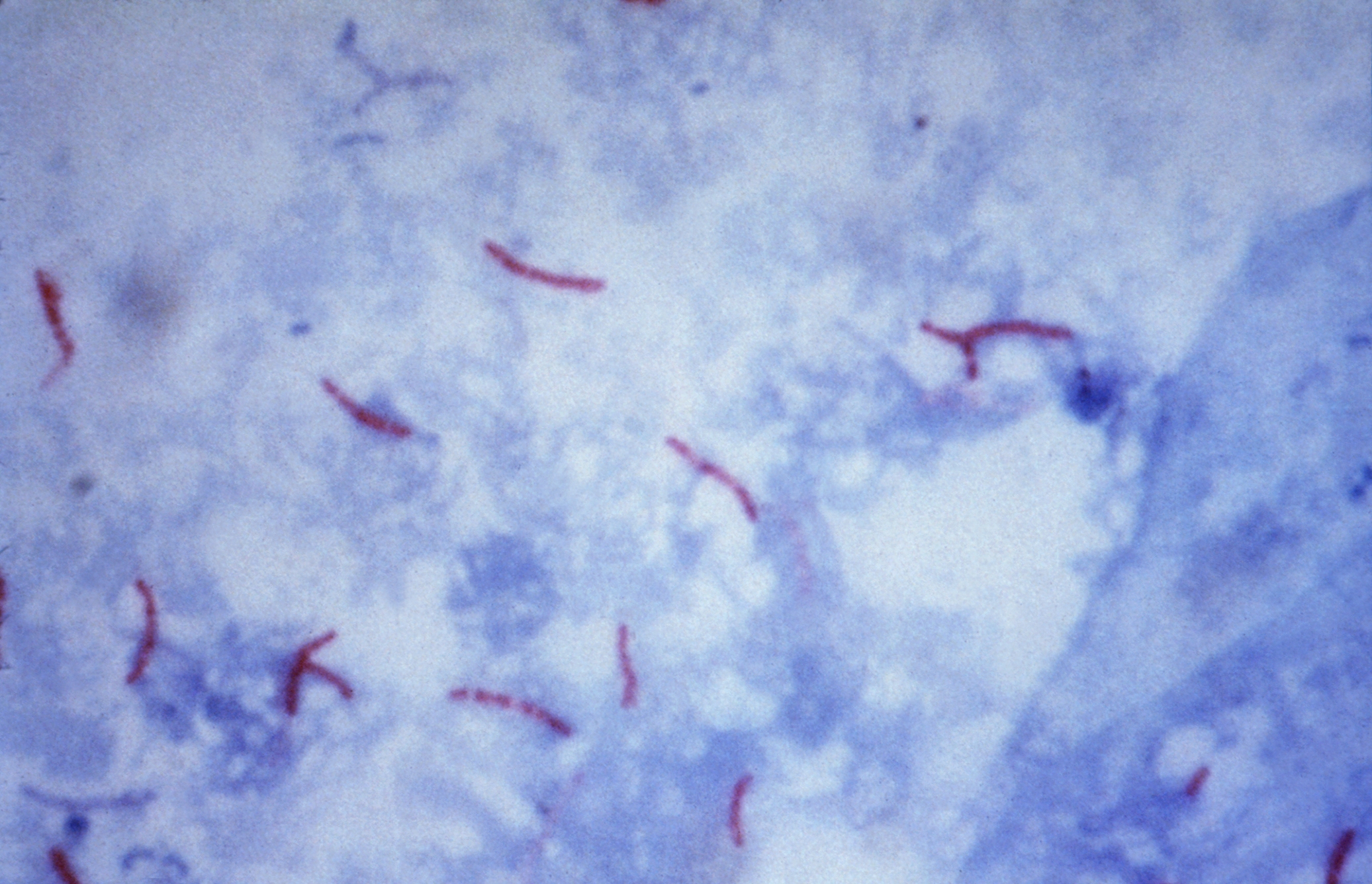

The Ziehl Neelsen Stain is a critical technique in microbiology, particularly for the identification of acid-fast bacteria such as *Mycobacterium tuberculosis*. This staining method is essential for diagnosing tuberculosis and other mycobacterial infections. The Ziehl Neelsen Stain process involves several steps, each crucial for achieving accurate results. This blog post will guide you through the procedure, highlighting the importance of each step and providing tips for optimal performance.
Understanding the Ziehl Neelsen Stain
The Ziehl Neelsen Stain is a differential stain that distinguishes acid-fast bacteria from non-acid-fast bacteria. Acid-fast bacteria have a waxy cell wall that retains the stain even after treatment with acid or alcohol. This property is exploited in the Ziehl Neelsen Stain process to identify these bacteria.
Materials Required
Before beginning the Ziehl Neelsen Stain procedure, gather the following materials:
- Microscope slides
- Inoculating loop
- Bunsen burner
- Carbol fuchsin stain
- Acid-alcohol solution
- Methylene blue or malachite green counterstain
- Distilled water
- Paper towels or blotting paper
- Microscope
Step-by-Step Procedure
The Ziehl Neelsen Stain procedure involves several steps, each of which is crucial for achieving accurate results. Follow these steps carefully:
Preparation of the Smear
1. Prepare the Smear: Using an inoculating loop, take a small amount of the bacterial sample and spread it thinly on a clean microscope slide. Allow the smear to air dry.
2. Heat Fixation: Pass the slide through the flame of a Bunsen burner several times to heat fix the smear. This step kills the bacteria and adheres them to the slide.
Staining with Carbol Fuchsin
3. Apply Carbol Fuchsin: Cover the smear with carbol fuchsin stain and heat gently by passing the slide through the flame of a Bunsen burner. This step helps the stain penetrate the waxy cell walls of acid-fast bacteria.
4. Allow to Stand: Let the slide stand for about 5 minutes to ensure the stain penetrates the bacteria.
Decolorization with Acid-Alcohol
5. Decolorize: Wash the slide with distilled water and then apply the acid-alcohol solution. Gently rinse the slide with the solution until the stain is no longer visible on the slide. This step removes the stain from non-acid-fast bacteria.
Counterstaining with Methylene Blue or Malachite Green
6. Counterstain: Apply methylene blue or malachite green counterstain to the slide and let it stand for about 1 minute. This step stains the non-acid-fast bacteria blue or green, providing contrast to the red-stained acid-fast bacteria.
7. Wash and Dry: Rinse the slide with distilled water to remove excess counterstain and allow it to air dry.
Microscopic Examination
8. Examine Under the Microscope: Place the slide on the microscope stage and examine it under oil immersion (100x objective). Acid-fast bacteria will appear red, while non-acid-fast bacteria will appear blue or green.
🔍 Note: Ensure that the smear is thin and evenly distributed to avoid clumping and ensure accurate staining.
Interpreting the Results
Interpreting the results of the Ziehl Neelsen Stain involves identifying the stained bacteria under the microscope. Acid-fast bacteria, such as Mycobacterium tuberculosis, will appear red due to the retention of the carbol fuchsin stain. Non-acid-fast bacteria will appear blue or green due to the counterstain.
Here is a simple table to help you interpret the results:
| Bacteria Type | Stain Color |
|---|---|
| Acid-fast bacteria (e.g., *Mycobacterium tuberculosis*) | Red |
| Non-acid-fast bacteria | Blue or Green |
Common Issues and Troubleshooting
Several issues can arise during the Ziehl Neelsen Stain procedure. Here are some common problems and their solutions:
- Inadequate Staining: If the acid-fast bacteria do not appear red, it may be due to insufficient heating during the carbol fuchsin step or inadequate decolorization. Ensure that the slide is heated gently and that the acid-alcohol solution is applied correctly.
- Over-Decolorization: If the acid-fast bacteria appear faint or washed out, it may be due to over-decolorization. Reduce the time or strength of the acid-alcohol solution.
- Contamination: If the slide appears contaminated with other bacteria, ensure that the sample is pure and that the equipment is clean.
🔍 Note: Always use fresh reagents and ensure that the equipment is clean to avoid contamination and inaccurate results.
Safety Precautions
Handling bacterial samples and staining reagents requires careful attention to safety. Follow these precautions to ensure a safe working environment:
- Wear appropriate personal protective equipment (PPE), including gloves, lab coat, and safety glasses.
- Work in a well-ventilated area or under a fume hood when handling staining reagents.
- Dispose of used slides and reagents according to biohazard waste guidelines.
- Wash hands thoroughly after handling bacterial samples and reagents.
🔍 Note: Always follow your institution's safety protocols and guidelines for handling biological samples and reagents.
In conclusion, the Ziehl Neelsen Stain is a fundamental technique in microbiology for identifying acid-fast bacteria. By following the steps outlined in this blog post, you can achieve accurate and reliable results. Understanding the importance of each step, interpreting the results correctly, and troubleshooting common issues will enhance your proficiency in this staining method. Always prioritize safety and adhere to proper laboratory protocols to ensure a safe and effective staining process.
Related Terms:
- ziehl neelsen stain price
- ziehl neelsen stain mycobacterium tuberculosis
- ziehl neelsen stain pronunciation
- ziehl neelsen stain result
- ziehl neelsen stain mycobacteria
- kinyoun stain vs ziehl neelsen