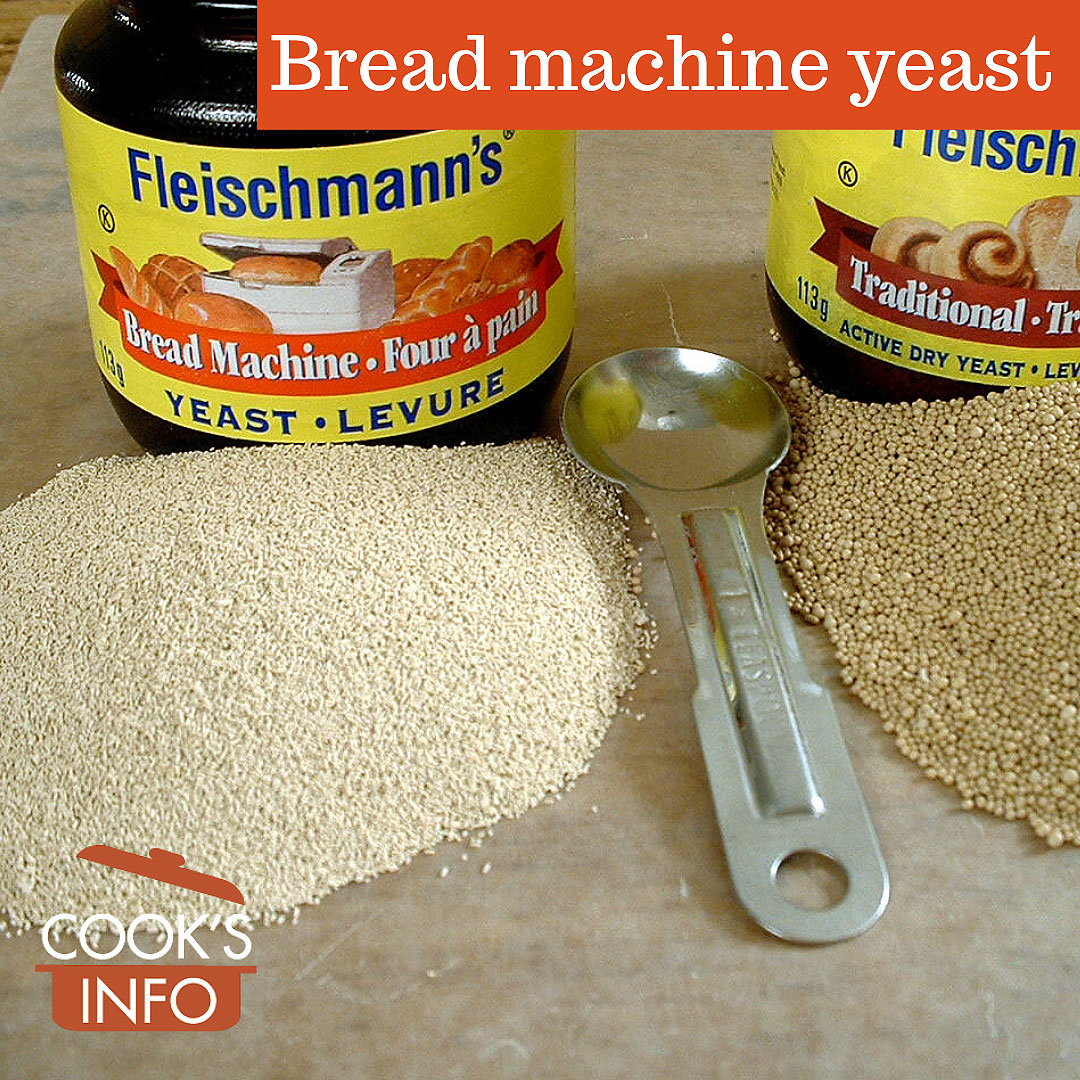

Yeast is a single-celled microorganism that plays a crucial role in various industries, from baking to brewing. Understanding what does yeast do is essential for anyone interested in these fields. This blog post will delve into the science behind yeast, its applications, and how it transforms simple ingredients into delicious and nutritious products.
What is Yeast?
Yeast is a type of fungus that belongs to the kingdom Fungi. It is microscopic and can be found in various environments, including soil, water, and even on the skin of fruits. The most commonly used species in baking and brewing is Saccharomyces cerevisiae, also known as baker’s yeast or brewer’s yeast. This species is particularly valued for its ability to ferment sugars, producing carbon dioxide and alcohol.
What Does Yeast Do in Baking?
In baking, yeast is primarily used as a leavening agent. When added to dough, yeast consumes the sugars present in the flour and produces carbon dioxide as a byproduct. This gas gets trapped in the gluten network of the dough, causing it to rise. The process of what does yeast do in baking can be broken down into several key steps:
- Activation: Yeast is activated by warm water and sugar, which stimulates its metabolic processes.
- Fermentation: The activated yeast consumes the sugars in the dough, producing carbon dioxide and ethanol (alcohol).
- Rising: The carbon dioxide gas gets trapped in the gluten network, causing the dough to rise.
- Baking: During baking, the heat kills the yeast, and the ethanol evaporates, leaving behind a light and fluffy baked good.
What Does Yeast Do in Brewing?
In brewing, yeast plays a different but equally important role. It is responsible for converting the sugars in the wort (the liquid extracted from malted grains) into alcohol and carbon dioxide. This process, known as fermentation, is what transforms the wort into beer. The specific steps of what does yeast do in brewing include:
- Pitching: Yeast is added to the wort, a process known as pitching.
- Fermentation: The yeast consumes the sugars in the wort, producing alcohol and carbon dioxide. This process can take several days to weeks, depending on the type of beer being brewed.
- Conditioning: After fermentation, the beer is conditioned, allowing any remaining yeast to settle out and the flavors to mellow.
- Packaging: The beer is then packaged, either in bottles, cans, or kegs, where it may undergo a secondary fermentation to carbonate the beer.
Types of Yeast
There are several types of yeast, each with its own unique characteristics and uses. The most common types include:
| Type of Yeast | Common Uses | Characteristics |
|---|---|---|
| Baker’s Yeast | Bread, pastries, and other baked goods | Produces carbon dioxide for leavening |
| Brewer’s Yeast | Beer, wine, and other alcoholic beverages | Produces alcohol and carbon dioxide |
| Nutritional Yeast | Food seasoning, nutritional supplement | High in B vitamins and has a cheesy flavor |
| Active Dry Yeast | Baking | Requires rehydration before use |
| Instant Yeast | Baking | Can be added directly to dry ingredients |
| Fresh Yeast | Baking | High moisture content, must be refrigerated |
📝 Note: Different types of yeast have different storage requirements. Active dry yeast and instant yeast can be stored at room temperature, while fresh yeast must be refrigerated.
The Science Behind Yeast
Yeast is a fascinating organism with a complex biology. It belongs to the kingdom Fungi and is classified as a single-celled eukaryote. This means it has a true nucleus and other membrane-bound organelles, unlike bacteria, which are prokaryotic. The process of what does yeast do involves several key biological processes:
- Metabolism: Yeast metabolizes sugars through a process called glycolysis, which produces energy in the form of ATP. During fermentation, yeast converts pyruvate (a product of glycolysis) into ethanol and carbon dioxide.
- Cell Division: Yeast reproduces asexually through a process called budding. A small bud forms on the parent cell, which grows and eventually separates to form a new cell.
- Genetics: Yeast has a relatively simple genome, making it a popular model organism for genetic research. It has been used to study a wide range of biological processes, including cell division, DNA repair, and aging.
Benefits of Yeast
Yeast offers numerous benefits in various industries. Some of the key benefits include:
- Leavening: In baking, yeast acts as a natural leavening agent, producing carbon dioxide that causes dough to rise.
- Flavor Development: During fermentation, yeast produces a variety of flavor compounds that enhance the taste of baked goods and beverages.
- Nutritional Value: Yeast is a good source of B vitamins, protein, and minerals. Nutritional yeast, in particular, is often used as a dietary supplement.
- Preservation: The alcohol produced by yeast during fermentation acts as a natural preservative, extending the shelf life of beverages like beer and wine.
Challenges and Considerations
While yeast is a versatile and beneficial organism, there are also challenges and considerations to keep in mind. Some of these include:
- Temperature Sensitivity: Yeast is sensitive to temperature changes. If the environment is too hot or too cold, yeast may not activate properly or may die.
- Contamination: Yeast can be contaminated by other microorganisms, which can affect the quality and safety of the final product.
- Storage: Different types of yeast have different storage requirements. Improper storage can lead to reduced activity or spoilage.
- Allergies: Some people may have allergies or sensitivities to yeast, which can cause adverse reactions when consumed.
📝 Note: Always follow proper handling and storage procedures to ensure the quality and safety of yeast products.
Applications of Yeast Beyond Baking and Brewing
While baking and brewing are the most well-known applications of yeast, this versatile microorganism has many other uses. Some of these include:
- Biofuels: Yeast is used in the production of bioethanol, a renewable fuel source. The yeast consumes sugars from plant materials and produces ethanol, which can be used as a fuel.
- Pharmaceuticals: Yeast is used in the production of various pharmaceuticals, including insulin and hepatitis B vaccines. The yeast cells are genetically engineered to produce these compounds.
- Food Industry: In addition to baking, yeast is used in the production of various food products, including cheese, soy sauce, and single-cell protein.
- Research: Yeast is a popular model organism for genetic research due to its simple genome and ease of manipulation.
Yeast in Traditional Medicine
Yeast has also been used in traditional medicine for centuries. Some of the traditional uses of yeast include:
- Digestive Health: Yeast is believed to support digestive health by promoting the growth of beneficial bacteria in the gut.
- Immune Support: Some traditional medicine practices use yeast to boost the immune system.
- Skin Health: Yeast is used in some skincare products for its moisturizing and anti-inflammatory properties.
📝 Note: While yeast has been used in traditional medicine, it is important to consult with a healthcare provider before using yeast for medicinal purposes.
Yeast in Modern Research
Yeast continues to be a subject of intense research due to its biological significance and practical applications. Some of the areas of modern research on yeast include:
- Genetics: Researchers are studying the genetics of yeast to understand how it adapts to different environments and how it can be engineered for specific applications.
- Metabolism: Scientists are investigating the metabolic pathways of yeast to improve its efficiency in producing biofuels and other valuable compounds.
- Aging: Yeast is used as a model organism to study the aging process and to develop interventions that can extend lifespan.
- Disease: Researchers are using yeast to study human diseases, including cancer and neurodegenerative disorders, by identifying genes and pathways that are conserved between yeast and humans.
Yeast is a remarkable organism with a wide range of applications and benefits. From baking and brewing to biofuels and pharmaceuticals, yeast plays a crucial role in various industries. Understanding what does yeast do and how it works can help us appreciate its importance and explore new ways to harness its potential. Whether you are a baker, brewer, or scientist, yeast offers endless possibilities for innovation and discovery.
Related Terms:
- definition of yeast in baking
- common uses for yeast
- why is yeast important
- does yeast turn into sugar
- why is yeast used
- what does yeast feed on