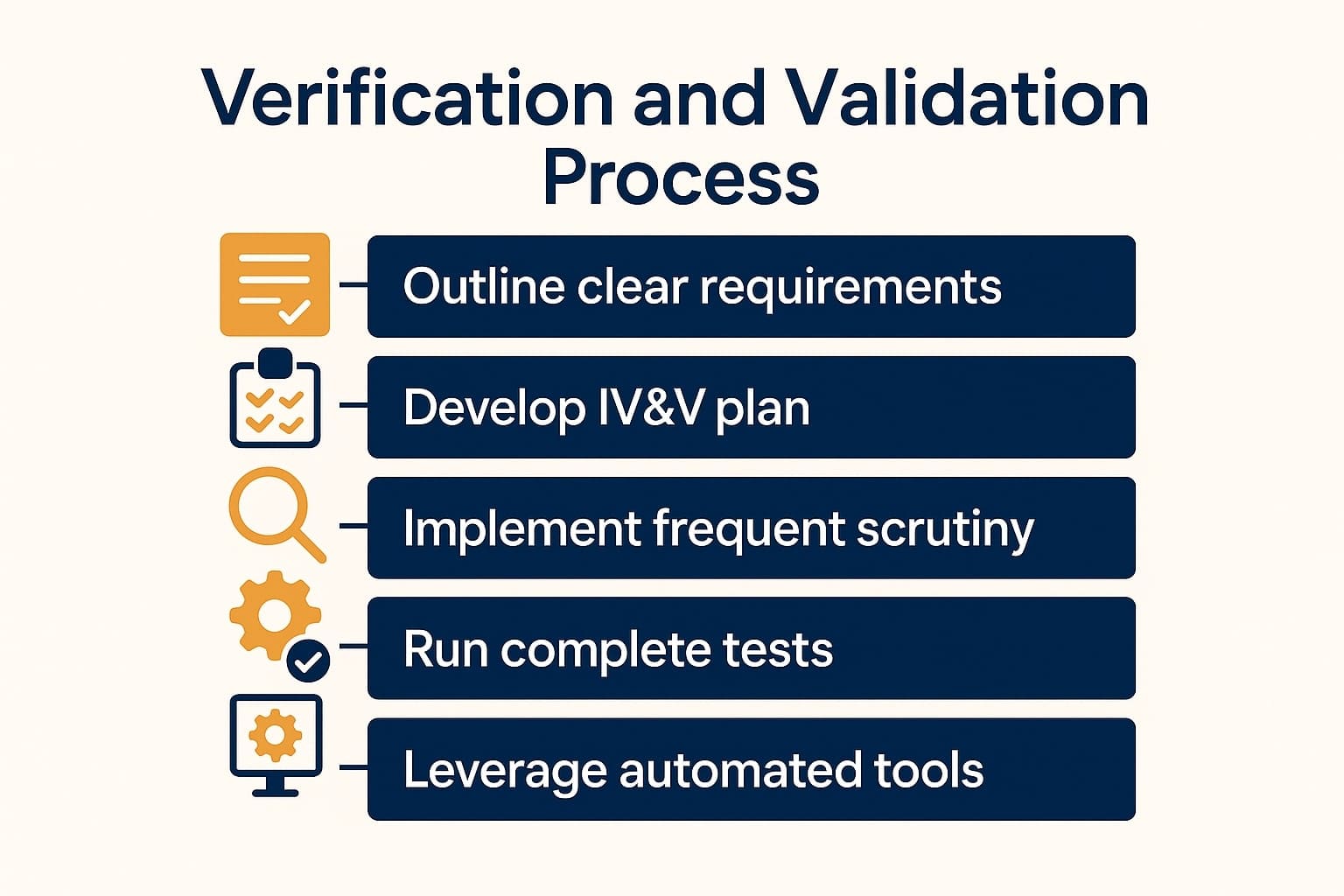

In the realm of software development and quality assurance, the concepts of Verification Vs Validation are often discussed but frequently misunderstood. Both processes are crucial for ensuring that software meets the required standards and functions as intended. However, they serve different purposes and are applied at different stages of the development lifecycle. Understanding the distinction between verification and validation is essential for any software professional aiming to deliver high-quality products.
Understanding Verification
Verification is the process of evaluating work-products of a development phase to ensure they meet the specified requirements. It is primarily concerned with the correctness and completeness of the development process. Verification activities are typically performed during the development phase and involve checking that the software is being built correctly according to the specifications.
Key activities in the verification process include:
- Code reviews and inspections
- Static code analysis
- Unit testing
- Peer reviews
- Design walkthroughs
Verification ensures that the software is built according to the design specifications and that all components are functioning as intended. It helps in identifying defects early in the development process, reducing the cost and effort required for fixing them later.
Understanding Validation
Validation, on the other hand, is the process of evaluating the final product to ensure it meets the business needs and user requirements. It focuses on whether the software does what it is supposed to do from the user's perspective. Validation activities are typically performed towards the end of the development lifecycle and involve testing the software in a real-world environment.
Key activities in the validation process include:
- System testing
- User acceptance testing (UAT)
- Performance testing
- Security testing
- Usability testing
Validation ensures that the software meets the user's expectations and fulfills the intended purpose. It helps in identifying any gaps between the user requirements and the actual functionality of the software, ensuring that the final product is fit for use.
Verification Vs Validation: Key Differences
While both verification and validation are essential for ensuring software quality, they differ in several key aspects:
| Aspect | Verification | Validation |
|---|---|---|
| Purpose | Ensure the software is built correctly according to specifications | Ensure the software meets user requirements and business needs |
| Focus | Process and documentation | Final product and user experience |
| Timing | During the development phase | Towards the end of the development lifecycle |
| Activities | Code reviews, static analysis, unit testing | System testing, UAT, performance testing |
| Outcome | Identification of defects in the development process | Identification of gaps between user requirements and software functionality |
Understanding these differences is crucial for implementing effective quality assurance strategies. Both processes are complementary and should be integrated into the software development lifecycle to ensure the delivery of high-quality software.
Importance of Verification in Software Development
Verification plays a critical role in the early stages of software development. By ensuring that the software is built correctly according to the specifications, verification helps in identifying and fixing defects early in the development process. This not only reduces the cost and effort required for fixing defects later but also improves the overall quality of the software.
Some of the key benefits of verification include:
- Early detection of defects
- Improved code quality
- Reduced rework
- Enhanced documentation
- Better adherence to standards and guidelines
Verification activities such as code reviews, static analysis, and unit testing help in identifying defects in the code, ensuring that it adheres to the specified requirements and standards. This makes the software more reliable, maintainable, and easier to understand.
Verification also helps in improving the documentation of the software. By reviewing the design documents, specifications, and other artifacts, verification ensures that they are complete, accurate, and up-to-date. This makes it easier for developers to understand the software and maintain it in the future.
💡 Note: Verification is not a one-time activity but an ongoing process that should be integrated into the software development lifecycle. Regular verification activities help in maintaining the quality of the software throughout its development.
Importance of Validation in Software Development
Validation is equally important in the later stages of software development. By ensuring that the software meets the user requirements and business needs, validation helps in delivering a product that is fit for use. It provides confidence that the software will perform as expected in a real-world environment.
Some of the key benefits of validation include:
- Ensuring user satisfaction
- Identifying gaps in requirements
- Improving software usability
- Enhancing software performance
- Ensuring software security
Validation activities such as system testing, user acceptance testing (UAT), and performance testing help in identifying any issues that may arise when the software is used in a real-world environment. This ensures that the software meets the user's expectations and fulfills the intended purpose.
Validation also helps in identifying any gaps between the user requirements and the actual functionality of the software. By involving end-users in the validation process, developers can gain valuable feedback and make necessary adjustments to improve the software.
Validation is crucial for ensuring that the software is secure and performs well under various conditions. Performance testing helps in identifying any bottlenecks or performance issues, while security testing ensures that the software is protected against potential threats.
💡 Note: Validation should involve end-users and stakeholders to ensure that the software meets their expectations and requirements. Their feedback is invaluable in identifying any issues and making necessary improvements.
Integrating Verification and Validation in the Software Development Lifecycle
To ensure the delivery of high-quality software, both verification and validation should be integrated into the software development lifecycle. This involves implementing a combination of verification and validation activities at different stages of the development process.
Here is a typical integration of verification and validation activities in the software development lifecycle:
| Phase | Verification Activities | Validation Activities |
|---|---|---|
| Requirements Gathering | Review of requirements documents | Prototyping and user feedback |
| Design | Design reviews and walkthroughs | Design validation with stakeholders |
| Implementation | Code reviews and static analysis | Unit testing and integration testing |
| Testing | Test case reviews | System testing, performance testing, security testing |
| Deployment | Deployment reviews | User acceptance testing (UAT) |
By integrating verification and validation activities throughout the software development lifecycle, developers can ensure that the software is built correctly, meets the user requirements, and is fit for use. This approach helps in identifying and fixing defects early, improving the overall quality of the software, and delivering a product that meets the user's expectations.
Verification and validation are not mutually exclusive but complementary processes. They work together to ensure that the software is built correctly and meets the user requirements. By understanding the differences between verification and validation and integrating them into the software development lifecycle, developers can deliver high-quality software that meets the needs of the users and the business.
Verification and validation are essential components of software quality assurance. They help in ensuring that the software is built correctly, meets the user requirements, and is fit for use. By integrating verification and validation activities throughout the software development lifecycle, developers can deliver high-quality software that meets the needs of the users and the business.
Verification focuses on the correctness and completeness of the development process, while validation focuses on the final product and user experience. Both processes are crucial for identifying defects, improving software quality, and ensuring user satisfaction. By understanding the differences between verification and validation and implementing them effectively, developers can deliver software that meets the highest standards of quality and reliability.
In conclusion, the concepts of Verification Vs Validation are fundamental to software development and quality assurance. By understanding their differences and integrating them into the software development lifecycle, developers can ensure that the software is built correctly, meets the user requirements, and is fit for use. This approach helps in delivering high-quality software that meets the needs of the users and the business, ensuring long-term success and satisfaction.
Related Terms:
- software verification vs validation
- verification vs validation in quality
- verification definition
- data verification vs validation
- method verification vs validation
- verification vs validation software testing