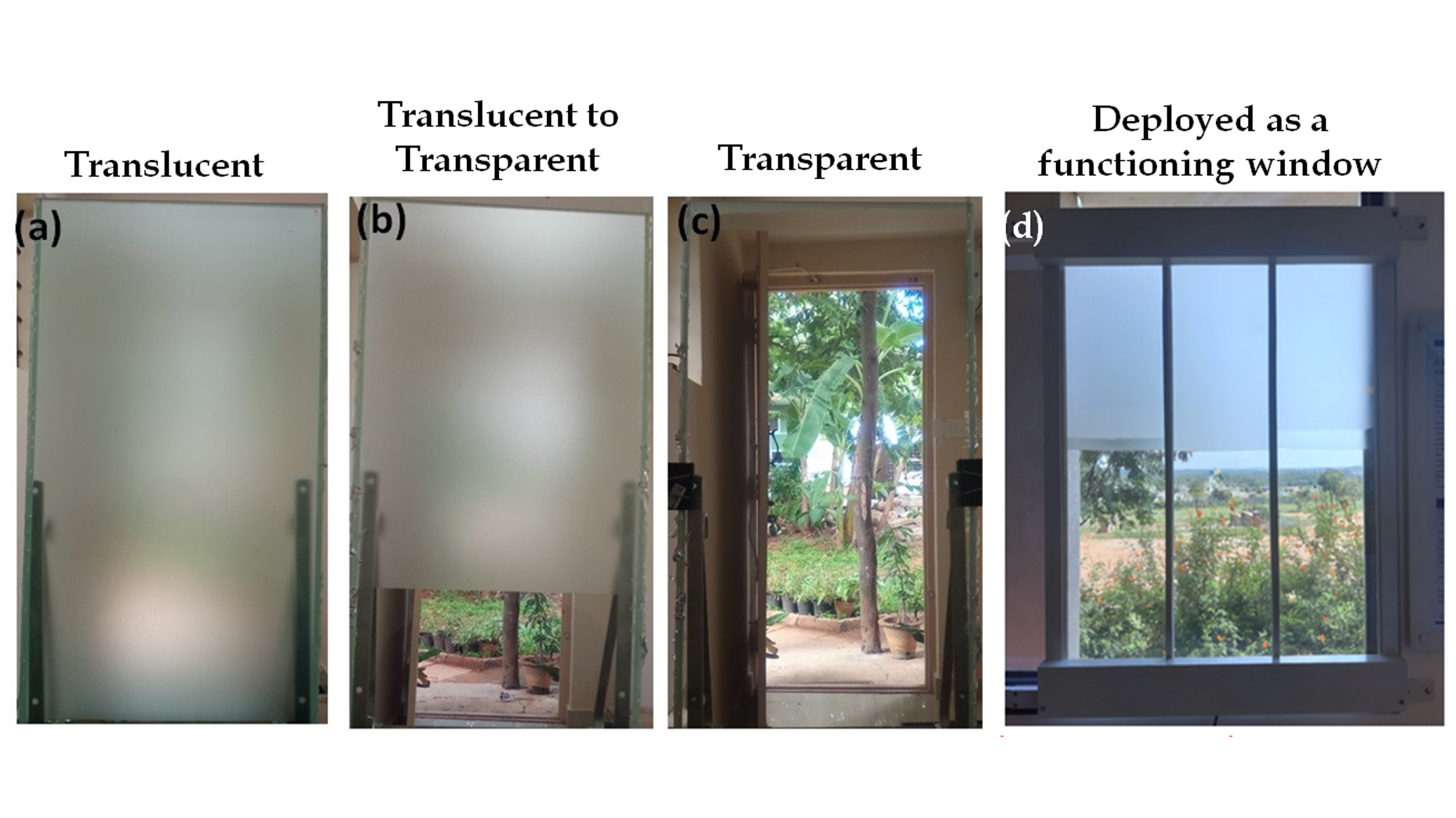

Understanding the difference between transparent vs translucent materials is crucial in various fields, from architecture and design to everyday household choices. These terms describe how light interacts with different materials, affecting their appearance and functionality. This post will delve into the definitions, applications, and distinctions between transparent and translucent materials, providing a comprehensive guide to help you make informed decisions.
Understanding Transparency
Transparency refers to the property of a material that allows light to pass through it without significant scattering. In other words, transparent materials allow you to see clearly through them. This property is essential in various applications, from glass windows to optical lenses. The degree of transparency can vary, but the key characteristic is the clarity of vision through the material.
Understanding Translucency
Translucency, on the other hand, describes materials that allow light to pass through but scatter it in different directions. This scattering effect makes it difficult to see clearly through translucent materials. Examples include frosted glass and certain types of plastic. Translucent materials are often used where privacy and diffused light are desired.
Transparent Vs Translucent: Key Differences
To better understand the distinction between transparent vs translucent materials, let’s explore their key differences:
- Light Transmission: Transparent materials allow light to pass through without significant scattering, while translucent materials scatter light, making it difficult to see through them clearly.
- Applications: Transparent materials are used where clarity is essential, such as in windows and lenses. Translucent materials are used for privacy and light diffusion, such as in frosted glass and certain types of plastic.
- Examples: Common transparent materials include clear glass, water, and air. Translucent materials include frosted glass, wax paper, and certain types of plastic.
Applications of Transparent Materials
Transparent materials have a wide range of applications across various industries. Here are some of the most common uses:
- Architecture: Clear glass is extensively used in windows, doors, and skylights to allow natural light into buildings while providing a clear view of the outside.
- Optics: Transparent materials like glass and certain plastics are used in lenses, prisms, and other optical components to focus and direct light.
- Electronics: Transparent conductive materials, such as indium tin oxide (ITO), are used in touchscreens and solar panels to allow light to pass through while conducting electricity.
- Medical: Transparent materials are used in medical devices and equipment, such as glass syringes and transparent IV bags, to allow for easy monitoring of contents.
Applications of Translucent Materials
Translucent materials also have numerous applications, particularly where privacy and light diffusion are important. Here are some common uses:
- Architecture: Frosted glass is used in windows, doors, and partitions to allow light to pass through while maintaining privacy.
- Lighting: Translucent materials like frosted glass and plastic are used in light fixtures to diffuse light, reducing glare and creating a softer, more even illumination.
- Packaging: Translucent materials are used in packaging to protect contents while allowing for some visibility, such as in certain types of plastic containers.
- Art and Design: Translucent materials are used in various artistic and design applications to create unique visual effects, such as in stained glass windows and decorative screens.
Choosing Between Transparent and Translucent Materials
When deciding between transparent and translucent materials, consider the following factors:
- Purpose: Determine whether clarity or privacy is more important for your application. Transparent materials are ideal for clarity, while translucent materials are better for privacy and light diffusion.
- Aesthetics: Consider the visual appearance you want to achieve. Transparent materials provide a clear view, while translucent materials create a softer, more diffused look.
- Functionality: Think about the functional requirements of your project. For example, transparent materials are essential for optical applications, while translucent materials are better for lighting and privacy.
Examples of Transparent and Translucent Materials
To further illustrate the differences between transparent vs translucent materials, let’s look at some specific examples:
| Material | Type | Applications |
|---|---|---|
| Clear Glass | Transparent | Windows, lenses, optical components |
| Frosted Glass | Translucent | Privacy windows, light fixtures, decorative screens |
| Water | Transparent | Drinking, aquariums, cooling systems |
| Wax Paper | Translucent | Food wrapping, crafting, baking |
| Air | Transparent | Breathing, ventilation, insulation |
| Plexiglass (Frosted) | Translucent | Signage, lighting diffusers, decorative panels |
📝 Note: The examples provided are not exhaustive, but they give a good overview of the types of materials and their typical uses.
Maintaining Transparent and Translucent Materials
Maintaining the clarity and functionality of transparent and translucent materials is essential for their longevity and performance. Here are some tips for maintaining these materials:
- Cleaning: Regularly clean transparent and translucent materials to remove dirt, dust, and grime. Use appropriate cleaning solutions and tools to avoid scratching or damaging the surface.
- Protection: Protect transparent and translucent materials from physical damage by using protective coatings or films. This is especially important for materials used in high-traffic or outdoor environments.
- Inspection: Periodically inspect materials for signs of wear, damage, or degradation. Address any issues promptly to prevent further damage and maintain the material’s performance.
📝 Note: Always follow the manufacturer's guidelines for cleaning and maintaining specific materials to ensure the best results.
Innovations in Transparent and Translucent Materials
The field of transparent and translucent materials is continually evolving, with new innovations and technologies emerging regularly. Some of the latest developments include:
- Smart Glass: Smart glass technology allows windows and other transparent surfaces to change from clear to opaque with the flick of a switch. This technology is used in privacy windows, smart homes, and energy-efficient buildings.
- Transparent Conductive Films: These films combine transparency with electrical conductivity, making them ideal for touchscreens, solar panels, and other electronic devices. They are often made from materials like indium tin oxide (ITO) or graphene.
- Nanotechnology: Nanotechnology is being used to create new types of transparent and translucent materials with enhanced properties. For example, nanoscale coatings can make materials more durable, scratch-resistant, and self-cleaning.
- Biodegradable Materials: There is a growing interest in developing biodegradable transparent and translucent materials for sustainable packaging and other applications. These materials are designed to break down naturally over time, reducing environmental impact.
📝 Note: The field of transparent and translucent materials is rapidly advancing, with new innovations and applications being discovered all the time.
Environmental Impact of Transparent and Translucent Materials
The environmental impact of transparent and translucent materials varies depending on the type of material and its application. Here are some key considerations:
- Energy Efficiency: Transparent materials like glass can contribute to energy efficiency in buildings by allowing natural light to enter, reducing the need for artificial lighting. However, they can also contribute to heat loss or gain, affecting a building’s energy performance.
- Recyclability: Many transparent and translucent materials, such as glass and certain plastics, are recyclable. Recycling these materials helps reduce waste and conserve resources.
- Sustainable Materials: There is a growing trend towards using sustainable and eco-friendly materials in transparent and translucent applications. For example, biodegradable plastics and recycled glass are becoming more popular.
- Manufacturing Processes: The manufacturing processes for transparent and translucent materials can have environmental impacts, including energy consumption and emissions. Choosing materials produced using sustainable methods can help mitigate these impacts.
📝 Note: When selecting transparent and translucent materials, consider their environmental impact and choose sustainable options where possible.
Understanding the differences between transparent vs translucent materials is essential for making informed decisions in various applications. Transparent materials offer clarity and are ideal for applications where visibility is crucial, while translucent materials provide privacy and light diffusion. By considering the specific needs of your project and the properties of different materials, you can choose the best option for your needs. Whether you’re designing a building, creating a piece of art, or selecting packaging materials, understanding the characteristics of transparent and translucent materials will help you achieve the desired results. The ongoing innovations in this field promise even more exciting developments and applications in the future, making it an area worth watching.
Related Terms:
- transparent vs clear lighting
- difference of transparent and translucent
- difference between transparent and opaque
- difference between clear and transparent
- transparent vs translucent opaque
- examples of transparent and translucent