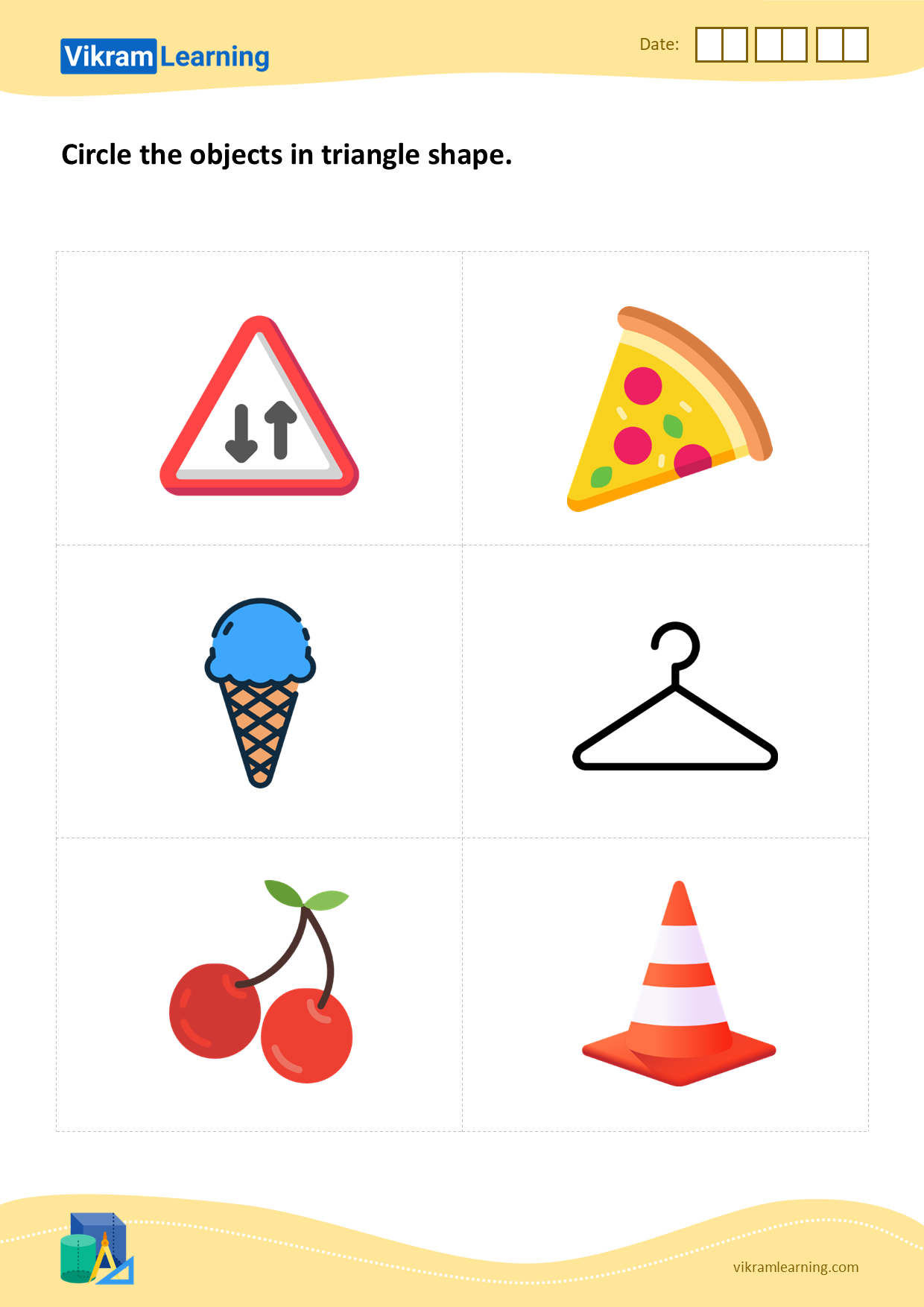

Things triangular in shape are ubiquitous in our world, from the humble slice of pizza to the majestic pyramids of Egypt. The triangle, with its three sides and three angles, is one of the most fundamental shapes in geometry and has numerous applications in various fields. This blog post will delve into the fascinating world of triangular shapes, exploring their significance, applications, and the mathematics behind them.
The Mathematics of Triangles
Triangles are classified based on their sides and angles. Understanding these classifications is crucial for grasping the properties and applications of things triangular in shape.
Classification Based on Sides
Triangles can be classified into three types based on their sides:
- Equilateral Triangle: All three sides are of equal length.
- Isosceles Triangle: Two sides are of equal length.
- Scalene Triangle: All three sides are of different lengths.
Classification Based on Angles
Triangles can also be classified based on their angles:
- Acute Triangle: All angles are less than 90 degrees.
- Right Triangle: One angle is exactly 90 degrees.
- Obtuse Triangle: One angle is greater than 90 degrees.
Applications of Triangular Shapes
Things triangular in shape have a wide range of applications across various fields. Their stability and strength make them ideal for construction, while their mathematical properties are essential in fields like engineering and physics.
Construction and Architecture
Triangles are fundamental in construction and architecture due to their stability. The triangular shape distributes weight evenly, making structures more robust. Some notable examples include:
- Pyramids: Ancient Egyptian pyramids are iconic examples of triangular structures. The triangular shape helps distribute the weight of the massive stone blocks, ensuring the stability of the structure.
- Trusses: Triangular trusses are used in bridges and buildings to provide structural support. The triangular shape ensures that the weight is evenly distributed, preventing collapse.
- Roofs: Many roofs are designed with triangular shapes to ensure stability and to allow for efficient water drainage.
Engineering and Physics
In engineering and physics, triangles are used to solve complex problems involving forces and motion. The principles of trigonometry, which are based on triangles, are essential for understanding and calculating these phenomena.
- Trigonometry: The study of triangles and their properties is the foundation of trigonometry. Trigonometric functions like sine, cosine, and tangent are used to solve problems involving angles and distances.
- Force Analysis: Triangles are used to analyze forces in mechanical systems. By breaking down complex forces into simpler triangular components, engineers can design more efficient and stable structures.
Everyday Objects
Things triangular in shape are also prevalent in everyday objects. From the simple to the complex, triangles play a crucial role in our daily lives.
- Pizza Slices: A classic example of a triangular shape in everyday life is a slice of pizza. The triangular shape makes it easy to eat and share.
- Road Signs: Many road signs, such as yield signs, are triangular in shape. This shape is easily recognizable and helps drivers quickly understand the message.
- Sailboats: The triangular shape of sails on sailboats helps capture wind efficiently, allowing the boat to move smoothly through the water.
The Beauty of Triangular Shapes in Art and Design
Triangles are not only functional but also aesthetically pleasing. Their geometric simplicity and symmetry make them a popular choice in art and design.
Art
In art, triangles are used to create balance and harmony. Artists often use triangular shapes to draw the viewer's eye to the focal point of the artwork. Some famous examples include:
- Leonardo da Vinci's "The Last Supper": The composition of this famous painting features a triangular arrangement of the apostles, with Jesus at the apex.
- Piet Mondrian's Abstract Art: Mondrian's use of geometric shapes, including triangles, created a sense of order and balance in his abstract paintings.
Design
In design, triangles are used to create visually appealing and functional objects. Their geometric properties make them ideal for creating stable and aesthetically pleasing structures. Some examples include:
- Furniture Design: Triangular shapes are often used in furniture design to create stable and visually interesting pieces. For example, triangular coffee tables and bookcases are both functional and aesthetically pleasing.
- Graphic Design: Triangles are used in graphic design to create balance and harmony. They are often used in logos and branding to convey stability and strength.
The Science Behind Triangular Shapes
The science behind triangular shapes is fascinating and complex. Understanding the properties of triangles can help us solve problems in various fields, from physics to engineering.
Stability and Strength
Triangles are inherently stable due to their geometric properties. The three sides and three angles create a rigid structure that resists deformation. This stability makes triangles ideal for construction and engineering applications.
For example, consider a triangular truss used in bridge construction. The triangular shape ensures that the weight of the bridge is evenly distributed, preventing collapse. The stability of the triangle also allows for the efficient use of materials, reducing waste and cost.
Trigonometry
Trigonometry is the branch of mathematics that deals with the relationships between the sides and angles of triangles. It is essential for solving problems involving angles and distances. Some key concepts in trigonometry include:
- Sine, Cosine, and Tangent: These are the three primary trigonometric functions. They are used to calculate the lengths of sides and the measures of angles in a triangle.
- Pythagorean Theorem: This theorem states that in a right triangle, the square of the length of the hypotenuse (the side opposite the right angle) is equal to the sum of the squares of the lengths of the other two sides. It is expressed as a² + b² = c², where c is the hypotenuse and a and b are the other two sides.
Trigonometry has numerous applications in fields such as physics, engineering, and navigation. For example, it is used to calculate the trajectory of a projectile, the height of a building, or the distance between two points on a map.
Things Triangular In Shape in Nature
Things triangular in shape are not only man-made but also abundant in nature. From the structure of crystals to the arrangement of leaves on a stem, triangles play a crucial role in the natural world.
Crystals
Many crystals, such as quartz and diamond, have triangular shapes. The geometric properties of triangles allow these crystals to form stable and symmetrical structures. The triangular shape also contributes to the unique optical and electrical properties of these crystals.
Leaf Arrangement
In botany, the arrangement of leaves on a stem often follows a triangular pattern. This pattern, known as phyllotaxis, ensures that leaves are evenly spaced, allowing for maximum exposure to sunlight and efficient use of space. The triangular arrangement also helps prevent overcrowding and competition for resources among the leaves.
Animal Structures
Some animals also exhibit triangular shapes in their structures. For example, the wings of insects and birds often have triangular shapes, which help them fly efficiently. The triangular shape of the wing provides lift and stability, allowing the animal to maneuver through the air.
In addition, the triangular shape of the beak in some birds, such as the toucan, helps them forage for food efficiently. The beak's triangular shape allows the bird to reach into narrow spaces and extract food with precision.
Triangular Shapes in Sports
Things triangular in shape are also prevalent in sports. The triangular shape is often used to create stable and efficient structures, such as goalposts and nets. Additionally, the principles of trigonometry are used to analyze and improve athletic performance.
Goalposts and Nets
In sports like soccer and football, goalposts and nets often have triangular shapes. The triangular shape provides stability and ensures that the ball remains within the playing field. The triangular shape also helps prevent the ball from bouncing out of bounds, ensuring fair play.
Athletic Performance
Trigonometry is used to analyze and improve athletic performance. For example, coaches and athletes use trigonometric principles to calculate the trajectory of a ball, the angle of a jump, or the distance of a throw. This information helps athletes optimize their performance and achieve their goals.
In addition, the principles of trigonometry are used to design and improve sports equipment. For example, the shape of a golf club or a tennis racket is designed using trigonometric principles to maximize performance and efficiency.
📝 Note: The applications of triangular shapes in sports are vast and varied, from the design of equipment to the analysis of performance. Understanding the principles of trigonometry can help athletes and coaches achieve their goals and improve their skills.
Triangular Shapes in Technology
Things triangular in shape are also integral to modern technology. From the design of electronic circuits to the development of algorithms, triangles play a crucial role in advancing technology.
Electronic Circuits
In electronics, triangular shapes are used to design efficient and stable circuits. The triangular shape ensures that the circuit remains stable and resistant to deformation, preventing short circuits and other malfunctions. Additionally, the principles of trigonometry are used to calculate the resistance, capacitance, and inductance of electronic components, ensuring optimal performance.
Algorithms
In computer science, triangular shapes are used in the development of algorithms. For example, the triangular number sequence is used in algorithms for sorting and searching data. The triangular shape ensures that the algorithm is efficient and can handle large datasets with ease.
Additionally, the principles of trigonometry are used in computer graphics to create realistic and immersive visuals. For example, trigonometric functions are used to calculate the position and movement of objects in a 3D environment, creating a seamless and engaging experience for the user.
📝 Note: The applications of triangular shapes in technology are vast and varied, from the design of electronic circuits to the development of algorithms. Understanding the principles of trigonometry can help engineers and scientists create innovative and efficient technologies.
Triangular Shapes in Everyday Life
Things triangular in shape are all around us, from the simple to the complex. Understanding the properties and applications of triangles can help us appreciate the world around us and solve everyday problems.
Cooking and Baking
In cooking and baking, triangular shapes are used to create visually appealing and delicious dishes. For example, a slice of pizza or a triangular sandwich can be both tasty and aesthetically pleasing. The triangular shape also makes it easy to eat and share.
Home Decor
In home decor, triangular shapes are used to create visually interesting and functional spaces. For example, triangular rugs, pillows, and wall art can add a touch of elegance and sophistication to any room. The triangular shape also helps create a sense of balance and harmony in the space.
Additionally, triangular shapes are used in furniture design to create stable and visually appealing pieces. For example, triangular coffee tables and bookcases are both functional and aesthetically pleasing.
📝 Note: The applications of triangular shapes in everyday life are vast and varied, from cooking and baking to home decor. Understanding the properties and applications of triangles can help us create visually appealing and functional spaces.
Triangular Shapes in Education
Things triangular in shape are also essential in education. Understanding the properties and applications of triangles is crucial for students in various fields, from mathematics to engineering.
Mathematics
In mathematics, triangles are fundamental to understanding geometry and trigonometry. Students learn about the properties of triangles, including their sides, angles, and area. They also learn how to use trigonometric functions to solve problems involving angles and distances.
Engineering
In engineering, triangles are used to solve complex problems involving forces and motion. Students learn how to analyze and design structures using triangular shapes, ensuring stability and efficiency. They also learn how to use trigonometric principles to calculate the trajectory of a projectile or the height of a building.
Additionally, students learn how to use triangles in the design of electronic circuits and algorithms, ensuring optimal performance and efficiency.
📝 Note: The applications of triangular shapes in education are vast and varied, from mathematics to engineering. Understanding the properties and applications of triangles is crucial for students in various fields.
Triangular Shapes in Culture and Symbolism
Things triangular in shape have significant cultural and symbolic meanings. Throughout history, triangles have been used to represent various concepts and ideas, from stability and strength to spirituality and divinity.
Cultural Significance
In many cultures, triangles are used to represent stability and strength. For example, in ancient Egyptian culture, the pyramid was a symbol of the pharaoh's power and divinity. The triangular shape of the pyramid ensured its stability and longevity, making it a lasting monument to the pharaoh's rule.
In Native American culture, the triangle is often used to represent the three aspects of life: mind, body, and spirit. The triangular shape symbolizes the balance and harmony between these aspects, ensuring a healthy and fulfilling life.
Symbolism
In symbolism, triangles are used to represent various concepts and ideas. For example, the upward-pointing triangle is often used to represent fire, masculinity, and the divine. The downward-pointing triangle is used to represent water, femininity, and the earthly realm.
Additionally, the triangle is often used to represent the Holy Trinity in Christianity, symbolizing the Father, Son, and Holy Spirit. The triangular shape represents the unity and harmony of the three aspects of the divine.
📝 Note: The cultural and symbolic meanings of triangular shapes are vast and varied, from stability and strength to spirituality and divinity. Understanding the significance of triangles in different cultures can help us appreciate the world around us and the diverse beliefs and values of different societies.
Triangular Shapes in Mythology and Folklore
Things triangular in shape also play a significant role in mythology and folklore. Throughout history, triangles have been used to represent various mythical creatures, gods, and symbols, adding depth and meaning to stories and legends.
Mythological Creatures
In mythology, triangles are often used to represent mythical creatures. For example, the trident, a three-pronged spear, is a symbol of the sea god Poseidon in Greek mythology. The triangular shape of the trident represents Poseidon's power and control over the seas.
In Norse mythology, the Valknut, a symbol consisting of three interlocked triangles, is associated with the goddess Odin. The Valknut is believed to represent the cycle of life, death, and rebirth, and is often used in rituals and ceremonies.
Folklore
In folklore, triangles are used to represent various symbols and concepts. For example, the triangle is often used to represent the three fates in Greek mythology, who spin, measure, and cut the thread of life. The triangular shape symbolizes the interconnectedness of fate and destiny.
Additionally, the triangle is used in various folk tales to represent the three wishes granted by a magical being, such as a genie or a fairy. The triangular shape symbolizes the power and potential of the wishes, as well as the importance of using them wisely.
📝 Note: The role of triangular shapes in mythology and folklore is vast and varied, from representing mythical creatures to symbolizing the cycle of life and death. Understanding the significance of triangles in different myths and legends can help us appreciate the rich cultural heritage of different societies.
Triangular Shapes in Art and Design
Things triangular in shape are also prevalent in art and design. The geometric simplicity and symmetry of triangles make them a popular choice for artists and designers, who use them to create visually appealing and meaningful works.
Art
In art, triangles are used to create balance and harmony. Artists often use triangular shapes to draw the viewer's eye to the focal point of the artwork. Some famous examples include:
- Leonardo da Vinci's "The Last Supper": The composition of this famous painting features a triangular arrangement of the apostles, with Jesus at the apex. The triangular shape creates a sense of balance and harmony, drawing the viewer's eye to the central figure.
- Piet Mondrian's Abstract Art: Mondrian's use of geometric shapes, including triangles, created a sense of order and balance in his abstract paintings. The triangular shapes in his works are often used to create a sense of movement and dynamism.
Design
In design, triangles are used to create visually appealing and functional objects. Their geometric properties make them ideal for creating stable and aesthetically pleasing structures. Some examples include:
- Furniture Design: Triangular shapes are often used in furniture design to create stable and visually interesting pieces. For example, triangular coffee tables and bookcases are both functional and aesthetically pleasing.
- Graphic Design: Triangles are used in graphic design to create balance and harmony. They are often used in logos and branding to convey stability and strength.
📝 Note: The applications of triangular shapes in art and design are vast and varied, from creating balance and harmony in paintings to designing functional and aesthetically pleasing objects. Understanding the properties and applications of triangles can help artists and designers create meaningful and visually appealing works.
Triangular Shapes in Architecture
Things triangular in shape are fundamental in architecture. The stability and strength of triangles make them ideal for constructing buildings and structures that can withstand the test of time. Some notable examples include:
Pyramids
Pyramids are iconic examples of triangular structures in architecture. The triangular shape of the pyramid ensures its stability and longevity, making it a lasting monument to the civilization that built it. Some famous examples include:
- Great Pyramid of Giza: Built as a tomb for Pharaoh Khufu, the Great Pyramid of Giza is one of the Seven Wonders of the Ancient
Related Terms:
- everyday objects that are triangles
- triangle objects found at home
- things that look like triangles
- triangle objects in real life
- triangular objects at home
- triangle shaped objects at home