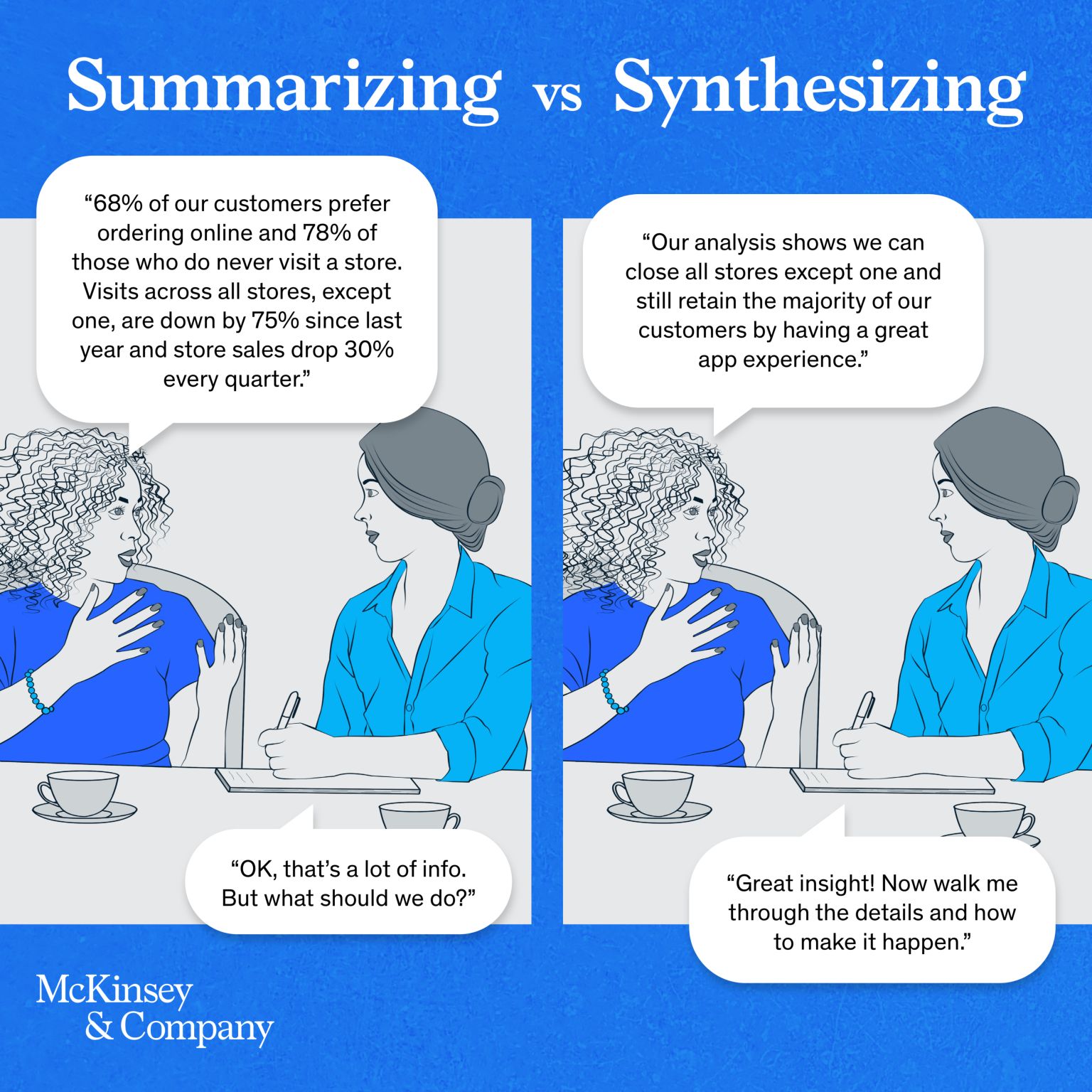

Understanding the nuances between a Synopsis vs Summary is crucial for anyone involved in writing, editing, or analyzing texts. Both serve the purpose of condensing information, but they do so in distinct ways and for different purposes. This post will delve into the definitions, purposes, and key differences between a synopsis and a summary, providing clear examples and practical applications to help you grasp these concepts thoroughly.
Understanding Synopsis
A synopsis is a brief overview or general survey of something. It provides a comprehensive outline of the main points, characters, plot, and themes of a work, often used in literary contexts. A synopsis is typically more detailed than a summary and is often used in academic or professional settings to give a thorough understanding of a text without delving into every minute detail.
Synopses are commonly used in:
- Literary submissions to publishers or agents
- Academic papers and research proposals
- Business plans and project proposals
For example, a synopsis of a novel might include:
- The main characters and their roles
- The central conflict or plot
- The major themes and subplots
- The resolution or climax
Here is a simple example of a synopsis for a hypothetical novel:
"The novel 'Mystic Shadows' follows the journey of Emily, a young archaeologist who uncovers an ancient artifact that holds the key to a forgotten civilization. As she delves deeper into the mystery, she encounters a series of challenges and dangers, including a rival archaeologist and a mysterious cult. The story explores themes of discovery, betrayal, and the power of knowledge. In the end, Emily must make a difficult choice that will change her life forever."
Understanding Summary
A summary, on the other hand, is a concise restatement of the main points of a work. It is shorter and more focused than a synopsis, aiming to capture the essence of the text in a few sentences or paragraphs. Summaries are often used in educational settings to help students understand the key points of a reading assignment or lecture.
Summaries are commonly used in:
- Educational settings for assignments and exams
- News articles and reports
- Meeting minutes and notes
For example, a summary of a news article might include:
- The main event or topic
- The key points or arguments
- The conclusion or outcome
Here is a simple example of a summary for a hypothetical news article:
"The recent discovery of a new planet in the habitable zone of a distant star has sparked excitement among astronomers. The planet, named Kepler-452b, is similar in size to Earth and orbits its star in a region where liquid water could exist. Scientists believe this discovery could be a significant step in the search for extraterrestrial life."
Key Differences Between Synopsis vs Summary
While both a synopsis and a summary aim to condense information, they do so in different ways. Here are the key differences:
| Aspect | Synopsis | Summary |
|---|---|---|
| Purpose | Provides a comprehensive overview of the main points, characters, plot, and themes | Captures the essence of the text in a few sentences or paragraphs |
| Length | Longer and more detailed | Shorter and more concise |
| Detail | Includes more details and subplots | Focuses on the main points and key arguments |
| Use Cases | Literary submissions, academic papers, business plans | Educational settings, news articles, meeting minutes |
📝 Note: The choice between a synopsis and a summary depends on the context and the amount of detail required. A synopsis is more suitable for detailed overviews, while a summary is ideal for quick, concise information.
Practical Applications of Synopsis vs Summary
Understanding when to use a synopsis vs a summary can greatly enhance your writing and communication skills. Here are some practical applications:
Academic Writing
In academic writing, a synopsis is often used in research proposals and theses to provide a detailed overview of the study's objectives, methodology, and expected outcomes. A summary, on the other hand, is used in abstracts and executive summaries to give a quick overview of the research findings.
Literary Submissions
When submitting a manuscript to a publisher or agent, a synopsis is essential. It provides a comprehensive overview of the story, including the main characters, plot, and themes. This helps the publisher or agent understand the scope and potential of the work. A summary, in this context, might be used in a query letter to briefly introduce the story.
Business and Professional Settings
In business and professional settings, a synopsis is often used in project proposals and business plans to provide a detailed overview of the project's goals, strategies, and expected outcomes. A summary, in this context, might be used in meeting minutes or reports to quickly convey the key points discussed.
Educational Settings
In educational settings, summaries are commonly used to help students understand the main points of a reading assignment or lecture. Teachers might also use summaries in their lesson plans to provide a quick overview of the day's topics. A synopsis, in this context, might be used in more detailed assignments or projects to provide a comprehensive overview of the material.
Here is an example of how a synopsis and a summary might be used in an educational setting:
Synopsis of a Chapter on Climate Change:
"Chapter 5 of the textbook 'Environmental Science' explores the causes and effects of climate change. The chapter begins with an overview of the greenhouse effect and how human activities, such as deforestation and industrialization, contribute to global warming. It then delves into the various impacts of climate change, including rising sea levels, extreme weather events, and biodiversity loss. The chapter also discusses potential solutions, such as renewable energy and sustainable practices, and concludes with a call to action for individuals and governments to take immediate steps to mitigate climate change."
Summary of the Same Chapter:
"Chapter 5 discusses the causes and effects of climate change, highlighting the role of human activities in global warming. It covers impacts such as rising sea levels and extreme weather events, and proposes solutions like renewable energy and sustainable practices."
In this example, the synopsis provides a detailed overview of the chapter's content, while the summary captures the essence in a few concise sentences.
Tips for Writing Effective Synopses and Summaries
Writing effective synopses and summaries requires a clear understanding of the text and the ability to condense information without losing key details. Here are some tips to help you write effective synopses and summaries:
- Read the Text Thoroughly: Before writing a synopsis or summary, read the text thoroughly to understand its main points, characters, plot, and themes.
- Identify Key Points: Identify the key points, arguments, or events that are central to the text. These will form the basis of your synopsis or summary.
- Use Your Own Words: Avoid copying sentences directly from the text. Instead, use your own words to paraphrase the key points.
- Be Concise: Whether writing a synopsis or a summary, be concise and to the point. Avoid unnecessary details or tangents.
- Maintain Objectivity: Especially in academic or professional settings, maintain objectivity and avoid personal opinions or biases.
- Proofread: Always proofread your synopsis or summary for grammar, punctuation, and clarity.
By following these tips, you can create effective synopses and summaries that accurately convey the main points of a text while maintaining clarity and conciseness.
Here is an example of a well-written synopsis and summary for a hypothetical research paper:
Synopsis of a Research Paper on Artificial Intelligence:
"The research paper 'Advances in Artificial Intelligence' explores the latest developments in AI technology, focusing on machine learning, natural language processing, and robotics. The paper begins with an overview of the history of AI and its evolution over the years. It then delves into the current state of AI, highlighting key advancements and their applications in various fields, such as healthcare, finance, and transportation. The paper also discusses the ethical implications of AI, including issues related to privacy, bias, and job displacement. Finally, it proposes future directions for AI research and development, emphasizing the need for interdisciplinary collaboration and ethical considerations."
Summary of the Same Research Paper:
"The paper 'Advances in Artificial Intelligence' reviews recent developments in AI, focusing on machine learning, natural language processing, and robotics. It discusses applications in healthcare, finance, and transportation, and addresses ethical concerns such as privacy and bias. The paper concludes with recommendations for future research and interdisciplinary collaboration."
In this example, the synopsis provides a detailed overview of the research paper's content, while the summary captures the essence in a few concise sentences.
Understanding the differences between a Synopsis vs Summary and knowing when to use each can significantly enhance your writing and communication skills. Whether you are a student, a professional, or a writer, mastering these techniques will help you convey information more effectively and efficiently.
By following the guidelines and tips outlined in this post, you can create clear, concise, and effective synopses and summaries that accurately represent the main points of any text. Whether you are writing for academic, literary, or professional purposes, understanding the nuances of a synopsis vs a summary will serve you well in your endeavors.
Related Terms:
- synopsis vs summary examples
- synopsis and summary difference
- synopsis vs summary vs overview
- difference between summary and plot
- define synopsis
- what does a synopsis include