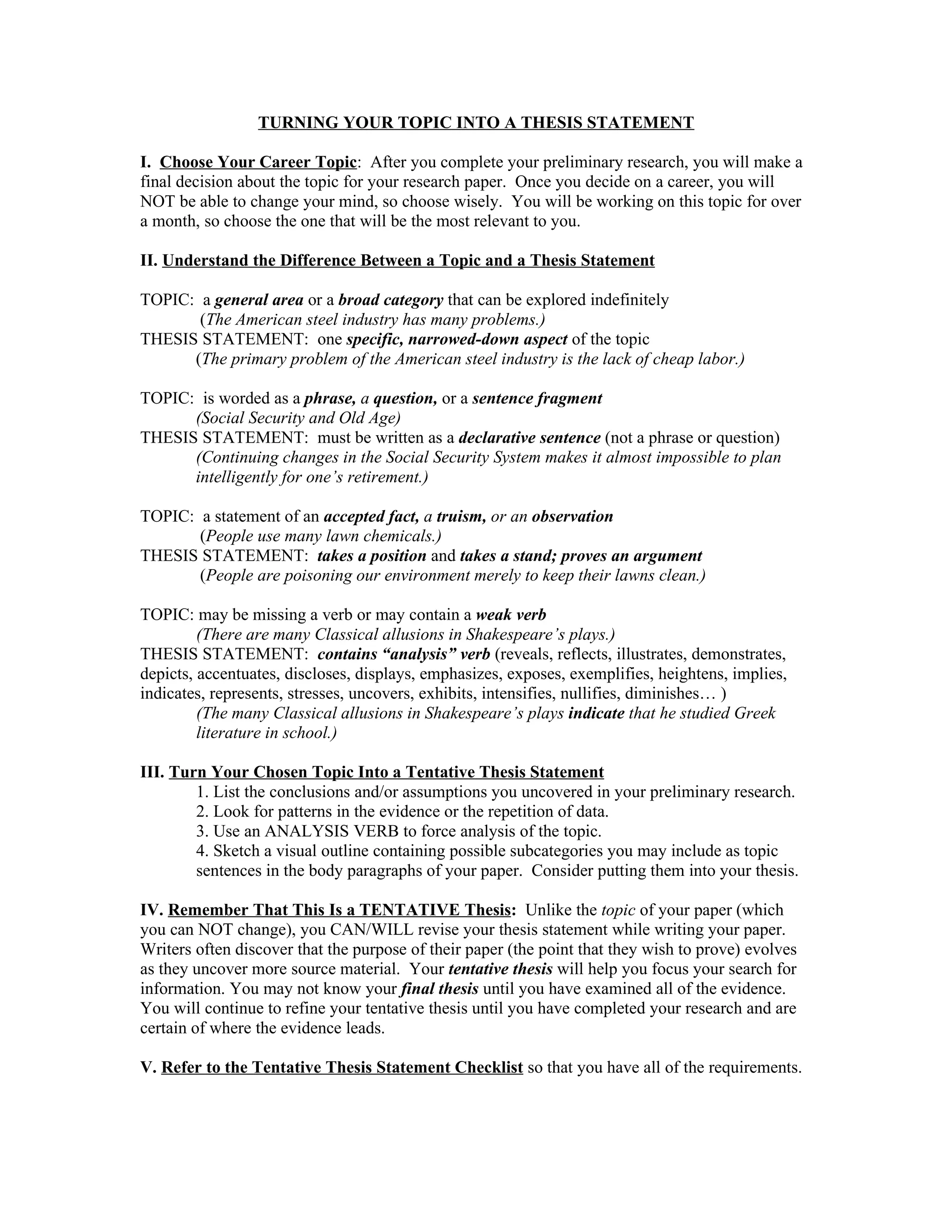

Mastering the art of crafting sentences with tentative language is a valuable skill in both written and spoken communication. It allows speakers and writers to express ideas, opinions, and suggestions in a way that is respectful, considerate, and open to discussion. This approach is particularly useful in professional settings, academic writing, and everyday conversations where clarity and diplomacy are essential.
Understanding Tentative Language
Tentative language is characterized by its use of words and phrases that convey uncertainty, possibility, or hesitation. This type of language is often used to soften statements, make suggestions, or express opinions without coming across as overly assertive. By using tentative language, individuals can foster a more collaborative and inclusive environment, encouraging others to share their thoughts and perspectives.
The Importance of Sentences With Tentative Language
Incorporating sentences with tentative language into your communication can have several benefits:
- Encourages Dialogue: Tentative language invites others to contribute to the conversation, making it more interactive and engaging.
- Reduces Conflict: By expressing ideas tentatively, you can avoid sounding confrontational or dismissive, which helps in maintaining harmonious relationships.
- Promotes Critical Thinking: Tentative language encourages listeners and readers to think critically about the information being presented, leading to more thoughtful discussions.
- Builds Trust: Using tentative language shows that you are open to different viewpoints and willing to consider alternative perspectives, which can build trust and rapport.
Common Phrases and Words for Tentative Language
There are several phrases and words that are commonly used in sentences with tentative language. These include:
- Possibility: "It might be possible that...", "There is a chance that..."
- Uncertainty: "I'm not sure if...", "It seems like..."
- Suggestion: "Perhaps we could...", "It might be a good idea to..."
- Hesitation: "I think...", "It appears that..."
- Qualification: "In my opinion...", "As far as I know..."
These phrases and words can be used in various contexts to soften statements and make them more tentative. For example, instead of saying "This is the best solution," you could say, "This might be a good solution."
Examples of Sentences With Tentative Language
To better understand how to use tentative language, let's look at some examples:
| Assertive Statement | Tentative Statement |
|---|---|
| This project will be completed by next week. | It is likely that the project will be completed by next week. |
| You should attend the meeting. | It might be beneficial for you to attend the meeting. |
| The report is incorrect. | There might be some inaccuracies in the report. |
| We need to change the strategy. | It could be helpful to consider changing the strategy. |
These examples illustrate how tentative language can be used to express ideas in a more considerate and open manner.
Using Tentative Language in Different Contexts
Tentative language can be applied in various contexts, from professional settings to academic writing and everyday conversations. Here are some specific examples:
Professional Settings
In professional environments, tentative language is crucial for effective communication. It helps in building a collaborative atmosphere and fostering teamwork. For instance, during a team meeting, you might say, "I think we should consider this approach, but I'm open to other ideas." This statement encourages others to share their thoughts and contributes to a more inclusive discussion.
Academic Writing
In academic writing, tentative language is often used to present hypotheses, theories, and arguments in a way that acknowledges the possibility of alternative viewpoints. For example, "It is possible that the data supports this hypothesis, but further research is needed to confirm the findings." This approach shows that the writer is aware of the limitations of their research and is open to further investigation.
Everyday Conversations
In everyday conversations, tentative language can help in avoiding misunderstandings and conflicts. For instance, if you want to suggest a change in plans, you might say, "It might be a good idea to reschedule the meeting for tomorrow." This statement is less likely to cause disagreement compared to a more assertive statement like "We should reschedule the meeting for tomorrow."
Tips for Crafting Sentences With Tentative Language
Crafting effective sentences with tentative language requires practice and attention to detail. Here are some tips to help you get started:
- Use Modal Verbs: Modal verbs like "might," "could," "may," and "should" can help in expressing uncertainty and possibility. For example, "It might rain tomorrow, so we should bring an umbrella."
- Qualify Your Statements: Use phrases like "in my opinion," "as far as I know," and "it seems like" to qualify your statements and make them more tentative. For example, "In my opinion, this approach is more effective."
- Avoid Absolute Terms: Avoid using absolute terms like "always," "never," "everyone," and "no one" as they can make your statements sound too assertive. Instead, use phrases like "often," "sometimes," "many people," and "some people."
- Encourage Feedback: Use phrases that invite others to share their thoughts and perspectives. For example, "What do you think about this idea?" or "I'm open to other suggestions."
By following these tips, you can craft sentences with tentative language that are clear, considerate, and open to discussion.
💡 Note: Remember that the goal of using tentative language is to foster a more collaborative and inclusive environment, not to avoid taking a stand on important issues.
Common Mistakes to Avoid
While using tentative language, it's important to avoid common mistakes that can undermine its effectiveness. Here are some pitfalls to watch out for:
- Overuse of Tentative Language: Using too much tentative language can make your statements sound vague and indecisive. Strike a balance between expressing uncertainty and being clear about your ideas.
- Inconsistency: Be consistent in your use of tentative language. Switching between tentative and assertive statements can confuse your audience and weaken your message.
- Lack of Clarity: Ensure that your tentative statements are clear and easy to understand. Avoid using overly complex language or jargon that can obscure your meaning.
- Avoiding Responsibility: Tentative language should not be used to avoid taking responsibility for your statements. Make sure that your tentative statements are backed by evidence and reasoning.
By avoiding these common mistakes, you can use tentative language more effectively and enhance your communication skills.
💡 Note: Practice is key to mastering the art of crafting sentences with tentative language. Take the time to reflect on your communication style and make adjustments as needed.
Tentative language is a powerful tool for effective communication. By using sentences with tentative language, you can express your ideas in a way that is respectful, considerate, and open to discussion. This approach can help in building stronger relationships, fostering collaboration, and promoting critical thinking. Whether in professional settings, academic writing, or everyday conversations, incorporating tentative language into your communication can enhance your ability to connect with others and achieve your goals.
Related Terms:
- use tentatively in a sentence
- tentative statement sample sentence
- tentatively in a sentence examples
- tentative in a sentence example
- using tentative in a sentence
- short sentence for tentative