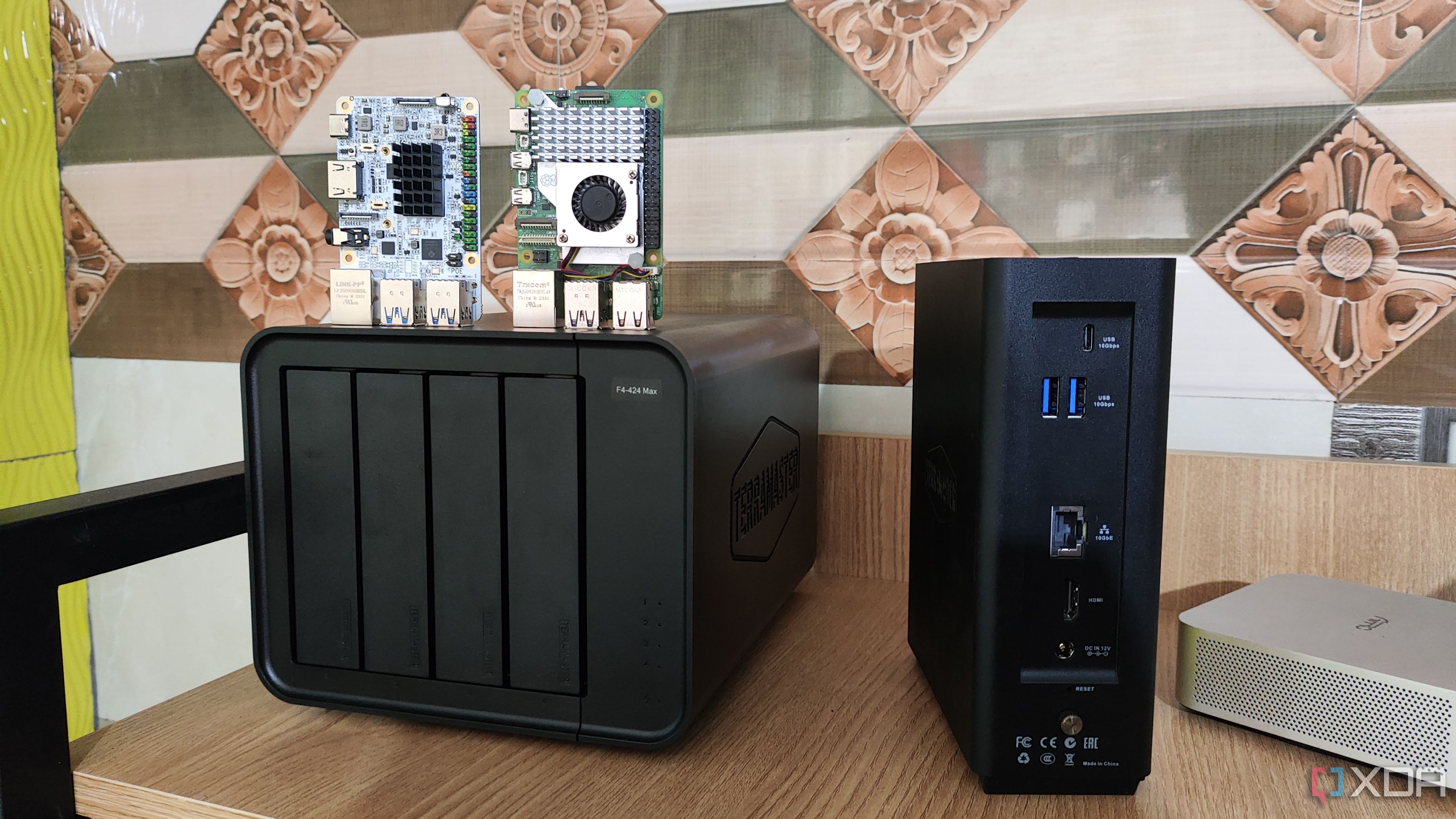

Building a Raspberry Pi NAS (Network Attached Storage) is a fantastic project for anyone looking to create a personal cloud storage solution. A Raspberry Pi NAS allows you to store, access, and share files over a network, providing a cost-effective and efficient way to manage your data. Whether you're a tech enthusiast, a small business owner, or someone who simply wants to back up important files, a Raspberry Pi NAS can be a game-changer.
What is a Raspberry Pi NAS?
A Raspberry Pi NAS is a storage system that connects to your network, allowing multiple devices to access and share files. By using a Raspberry Pi, a small and affordable single-board computer, you can create a powerful and versatile NAS solution. This setup typically involves connecting external hard drives to the Raspberry Pi and configuring it to serve files over a network using protocols like SMB (Server Message Block) or NFS (Network File System).
Why Build a Raspberry Pi NAS?
There are several compelling reasons to build a Raspberry Pi NAS:
- Cost-Effective: A Raspberry Pi is relatively inexpensive compared to commercial NAS solutions, making it an affordable option for personal or small business use.
- Versatile: The Raspberry Pi can be configured to perform various tasks beyond just file storage, such as media streaming, home automation, and more.
- Energy-Efficient: The Raspberry Pi consumes very little power, making it an eco-friendly choice for a NAS solution.
- Customizable: With access to the Raspberry Pi’s operating system, you can customize your NAS to meet your specific needs.
Hardware Requirements
To build a Raspberry Pi NAS, you’ll need the following hardware components:
- Raspberry Pi: A Raspberry Pi 3, 4, or 400 is recommended for better performance.
- Power Supply: A reliable power supply for your Raspberry Pi.
- MicroSD Card: A high-speed microSD card with at least 16GB of storage for the operating system.
- External Hard Drive: One or more external hard drives for storage. USB 3.0 drives are recommended for faster data transfer rates.
- USB Hub (Optional): If you plan to connect multiple hard drives, a powered USB hub can be useful.
- Ethernet Cable: For a wired network connection, which is recommended for stability and speed.
- Case (Optional): A case to protect your Raspberry Pi and make it look neat.
Software Requirements
For the software side, you’ll need the following:
- Operating System: Raspberry Pi OS (formerly Raspbian) is the most commonly used operating system for this project.
- NAS Software: OpenMediaVault or FreeNAS (now TrueNAS CORE) are popular choices for setting up a NAS on a Raspberry Pi.
Setting Up Your Raspberry Pi NAS
Follow these steps to set up your Raspberry Pi NAS:
Step 1: Install Raspberry Pi OS
Begin by downloading and installing Raspberry Pi OS on your microSD card. You can use a tool like Raspberry Pi Imager to simplify the process. Insert the microSD card into your Raspberry Pi and power it on.
Step 2: Initial Configuration
Connect to your Raspberry Pi via SSH or directly through a monitor and keyboard. Update the system by running the following commands:
sudo apt update
sudo apt upgrade
Step 3: Install NAS Software
For this guide, we’ll use OpenMediaVault (OMV). First, add the OMV repository and install the software:
wget -O - https://github.com/OpenMediaVault-Plugin-Developers/installScript/raw/master/install | sudo bash
After the installation is complete, you can access the OMV web interface by navigating to http://your-raspberry-pi-ip:80 in your web browser. Log in with your Raspberry Pi credentials.
Step 4: Configure Storage
In the OMV web interface, go to Storage > File Systems and create a new file system on your external hard drive. Then, go to Shared Folders and create a new shared folder, specifying the path to your file system.
Step 5: Set Up Network Sharing
To enable network sharing, go to Services > SMB/CIFS and enable the service. Configure the settings as needed, such as setting the workgroup name and enabling guest access. Then, go to Access Rights Management and set the appropriate permissions for your shared folders.
💡 Note: Ensure that your external hard drive is properly formatted and mounted before configuring shared folders.
Advanced Configuration
Once your basic Raspberry Pi NAS is set up, you can explore advanced configurations to enhance its functionality:
Step 1: Enable RAID
If you have multiple hard drives, you can set up a RAID (Redundant Array of Independent Disks) configuration for added data protection. In the OMV web interface, go to Storage > RAID Management and create a new RAID array.
Step 2: Install Additional Plugins
OMV supports a variety of plugins that can extend the functionality of your NAS. Some popular plugins include:
- Plex Media Server: For streaming media to various devices.
- Nextcloud: For creating a personal cloud storage solution with file synchronization and sharing.
- Docker: For running containerized applications on your NAS.
Step 3: Configure Automatic Backups
To ensure your data is safe, set up automatic backups using tools like rsync or Duplicati. You can schedule regular backups to an external drive or another NAS.
Performance Optimization
To get the best performance from your Raspberry Pi NAS, consider the following tips:
Step 1: Use a USB 3.0 Hub
If you’re using multiple external hard drives, a USB 3.0 hub can help improve data transfer rates and reduce bottlenecks.
Step 2: Enable Write Caching
In the OMV web interface, go to Storage > File Systems and enable write caching for your file systems. This can improve write performance, but be aware that it may increase the risk of data loss in case of a power failure.
Step 3: Optimize Network Settings
Ensure that your Raspberry Pi is connected to your network via Ethernet for stable and fast data transfer. You can also configure Quality of Service (QoS) settings on your router to prioritize NAS traffic.
Troubleshooting Common Issues
Here are some common issues you might encounter and how to troubleshoot them:
Step 1: Slow Performance
If your Raspberry Pi NAS is running slowly, check the following:
- Ensure that your external hard drives are connected via USB 3.0.
- Check for any background processes that might be consuming resources.
- Consider upgrading to a more powerful Raspberry Pi model.
Step 2: Network Connectivity Issues
If you’re having trouble accessing your NAS over the network, try the following:
- Ensure that your Raspberry Pi has a valid IP address and is connected to the network.
- Check your firewall settings to ensure that the necessary ports are open.
- Restart the SMB/CIFS service in the OMV web interface.
Step 3: Data Corruption
If you suspect data corruption, follow these steps:
- Check the SMART status of your hard drives to ensure they are in good health.
- Run a file system check using the fsck command.
- Restore your data from a recent backup.
💡 Note: Regularly monitor the health of your hard drives and perform routine backups to prevent data loss.
Security Considerations
Securing your Raspberry Pi NAS is crucial to protect your data from unauthorized access. Here are some best practices:
Step 1: Use Strong Passwords
Ensure that your Raspberry Pi and NAS software have strong, unique passwords. Avoid using default or easily guessable passwords.
Step 2: Enable Firewall
Configure a firewall to restrict access to your NAS. In the OMV web interface, go to System > Firewall and enable the firewall. Set rules to allow only trusted IP addresses.
Step 3: Disable Unnecessary Services
Disable any services or plugins that you are not using to reduce the attack surface. This can be done in the OMV web interface under Services.
Step 4: Regularly Update Software
Keep your Raspberry Pi OS and NAS software up to date to protect against known vulnerabilities. Regularly check for updates and apply them as needed.
Conclusion
Building a Raspberry Pi NAS is a rewarding project that provides a cost-effective and versatile solution for personal or small business storage needs. By following the steps outlined in this guide, you can create a powerful and efficient NAS system that meets your specific requirements. Whether you’re looking to back up important files, stream media, or share data across multiple devices, a Raspberry Pi NAS offers a flexible and customizable solution. With proper configuration and maintenance, your Raspberry Pi NAS can serve as a reliable and secure storage solution for years to come.
Related Terms:
- raspberry pi 2 nas server
- raspberry pi raid
- raspberry pi nas case
- raspberry pi nas hat
- raspberry pi nas openmediavault
- raspberry pi san