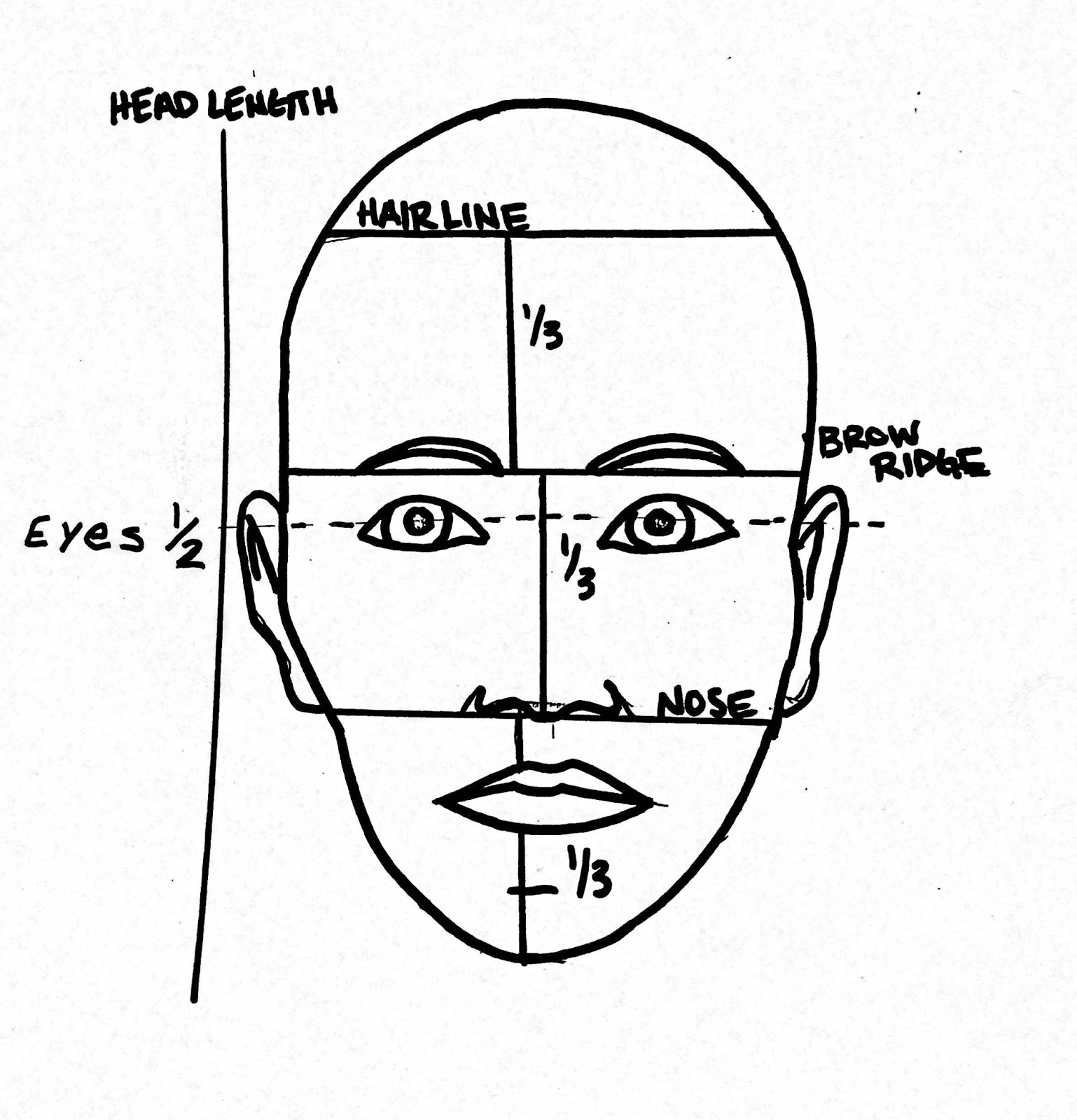

Art is a universal language that transcends boundaries and cultures, offering a unique perspective on the world. One of the fundamental aspects that artists consider while creating their masterpieces is the proportion/scale in art. This concept is crucial in determining the visual impact and emotional resonance of a piece. Whether it's a miniature painting or a monumental sculpture, the proportion and scale can dramatically alter the viewer's perception and experience.
Understanding Proportion in Art
Proportion refers to the relationship between different elements within a composition. It involves the size, shape, and placement of objects relative to one another. In art, proportion is used to create balance, harmony, and a sense of realism. Artists often use mathematical principles, such as the golden ratio, to achieve pleasing proportions. This ratio, approximately 1.618, has been used throughout history to create aesthetically pleasing compositions.
For example, in Renaissance art, artists like Leonardo da Vinci meticulously studied human anatomy to ensure accurate proportions in their figures. This attention to detail enhanced the realism and emotional depth of their works. Da Vinci's "Vitruvian Man" is a classic example of how proportion can be used to explore the ideal human form.
The Role of Scale in Art
Scale, on the other hand, refers to the size of an object or figure in relation to its surroundings or to other objects within the same composition. Scale can be used to convey different emotions and narratives. For instance, a small figure in a vast landscape can evoke feelings of isolation or insignificance, while a large figure can convey power and dominance.
In contemporary art, scale is often manipulated to challenge traditional perceptions. Artists like Jeff Koons use oversized sculptures to create a sense of awe and wonder. His "Balloon Dog" series, for example, features giant, mirrored sculptures that reflect the viewer and their surroundings, creating a dynamic and interactive experience.
Historical Perspectives on Proportion and Scale
Throughout history, different art movements have approached proportion and scale in unique ways. In ancient Egyptian art, figures were often depicted with exaggerated proportions to convey their importance and divine status. The pharaohs, for example, were often shown larger than other figures to emphasize their power and authority.
In contrast, during the Baroque period, artists like Caravaggio used dramatic contrasts in scale and proportion to create intense emotional scenes. His use of chiaroscuro, or the contrast between light and dark, enhanced the sense of depth and drama in his paintings.
In modern art, the concept of proportion and scale has been further explored and challenged. Artists like Salvador Dalí used surrealist techniques to distort proportions and create dreamlike landscapes. His melting clocks in "The Persistence of Memory" challenge our perception of time and reality, inviting viewers to question their own understanding of the world.
Techniques for Achieving Proportion and Scale
Achieving the right proportion and scale in art requires a combination of technical skill and artistic vision. Here are some techniques that artists use to master proportion and scale:
- Grid Method: This technique involves drawing a grid over the subject and then replicating the grid on the canvas. By copying the proportions within each grid square, artists can ensure accuracy and consistency.
- Comparative Measurement: This method involves measuring the subject using a pencil or other tool and then transferring those measurements to the canvas. It helps in maintaining accurate proportions, especially in complex compositions.
- Use of Reference Materials: Artists often use photographs, sketches, or other reference materials to study the proportions and scale of their subjects. This helps in creating realistic and detailed works.
- Understanding Anatomy: For artists working with the human form, a deep understanding of anatomy is essential. Studying the structure and proportions of the human body can help in creating lifelike and expressive figures.
These techniques, when combined with artistic intuition and creativity, can help artists achieve the desired proportion and scale in their works.
📝 Note: While these techniques are useful, it's important to remember that art is also about personal expression and creativity. Don't be afraid to experiment and develop your own methods for achieving proportion and scale.
The Impact of Proportion and Scale on Viewer Perception
The way an artist uses proportion and scale can significantly impact how viewers perceive and interpret a piece of art. For example, a small, delicate painting can evoke feelings of intimacy and delicacy, while a large, bold sculpture can convey power and grandeur. The emotional and psychological effects of proportion and scale are profound and can enhance the overall impact of the artwork.
In landscape art, the scale of natural elements can create a sense of vastness and awe. Artists like Albert Bierstadt used expansive landscapes to convey the grandeur of the American West. His paintings, with their sweeping vistas and dramatic skies, invite viewers to experience the sublime beauty of nature.
In portraiture, the scale of the subject relative to the background can convey different emotions. A close-up portrait can create a sense of intimacy and connection, while a full-body portrait can show the subject in their environment, providing context and depth.
Case Studies: Proportion and Scale in Famous Artworks
To better understand the impact of proportion and scale, let's examine a few famous artworks:
| Artwork | Artist | Proportion/Scale Technique | Impact |
|---|---|---|---|
| "The Last Supper" | Leonardo da Vinci | Use of perspective and proportion to create depth and realism | Enhances the dramatic and emotional impact of the scene |
| "The Starry Night" | Vincent van Gogh | Exaggerated scale of celestial bodies and swirling patterns | Conveys a sense of movement and emotional intensity |
| "Guernica" | Pablo Picasso | Distorted proportions and exaggerated scale to convey horror and chaos | Evokes a powerful emotional response to the atrocities of war |
These examples illustrate how different artists have used proportion and scale to achieve unique effects and convey specific messages.
In "The Last Supper," Leonardo da Vinci's use of perspective and proportion creates a sense of depth and realism, drawing the viewer into the dramatic scene. The figures are arranged in a way that guides the eye towards the central figure of Christ, emphasizing his importance and the significance of the moment.
In "The Starry Night," Vincent van Gogh's exaggerated scale of celestial bodies and swirling patterns conveys a sense of movement and emotional intensity. The night sky is depicted with vibrant colors and dynamic brushstrokes, creating a dreamlike and otherworldly atmosphere.
In "Guernica," Pablo Picasso's distorted proportions and exaggerated scale convey the horror and chaos of war. The fragmented and disfigured bodies of the victims create a powerful emotional response, highlighting the brutality and inhumanity of conflict.
Proportion and Scale in Contemporary Art
In contemporary art, the exploration of proportion and scale continues to evolve. Artists are pushing the boundaries of traditional techniques and experimenting with new materials and technologies. For example, digital art and virtual reality offer new ways to manipulate proportion and scale, creating immersive and interactive experiences.
Artists like Ai Weiwei use large-scale installations to address social and political issues. His work "Sunflower Seeds" features millions of hand-painted porcelain seeds, each unique and individually crafted. The sheer scale of the installation creates a sense of awe and wonder, inviting viewers to reflect on themes of individuality, mass production, and the human condition.
In street art, artists like Banksy use the scale of urban environments to create impactful and thought-provoking pieces. His stenciled images often address social and political issues, using the scale of public spaces to reach a wide audience and provoke discussion.
In digital art, artists like Refik Anadol use data and algorithms to create dynamic and ever-changing installations. His work "Machine Hallucinations" features projections of abstract shapes and patterns that evolve in real-time, creating a mesmerizing and immersive experience. The scale and proportion of these digital forms are constantly shifting, inviting viewers to explore the boundaries between art and technology.
These contemporary examples demonstrate how artists continue to innovate and experiment with proportion and scale, using new technologies and materials to create unique and impactful works.
In conclusion, the concept of proportion/scale in art is a fundamental aspect of artistic creation that has been explored and evolved throughout history. From ancient Egyptian art to contemporary digital installations, artists have used proportion and scale to convey emotions, narratives, and messages. Understanding and mastering these techniques can enhance an artist’s ability to create compelling and meaningful works. Whether through traditional methods or innovative technologies, the exploration of proportion and scale will continue to be a vital part of the artistic process, offering endless possibilities for creativity and expression.
Related Terms:
- miniature proportion art examples
- proportion scale art examples
- difference between proportion and scale
- proportion used to show scale
- types of proportion in art
- proportion in arts example