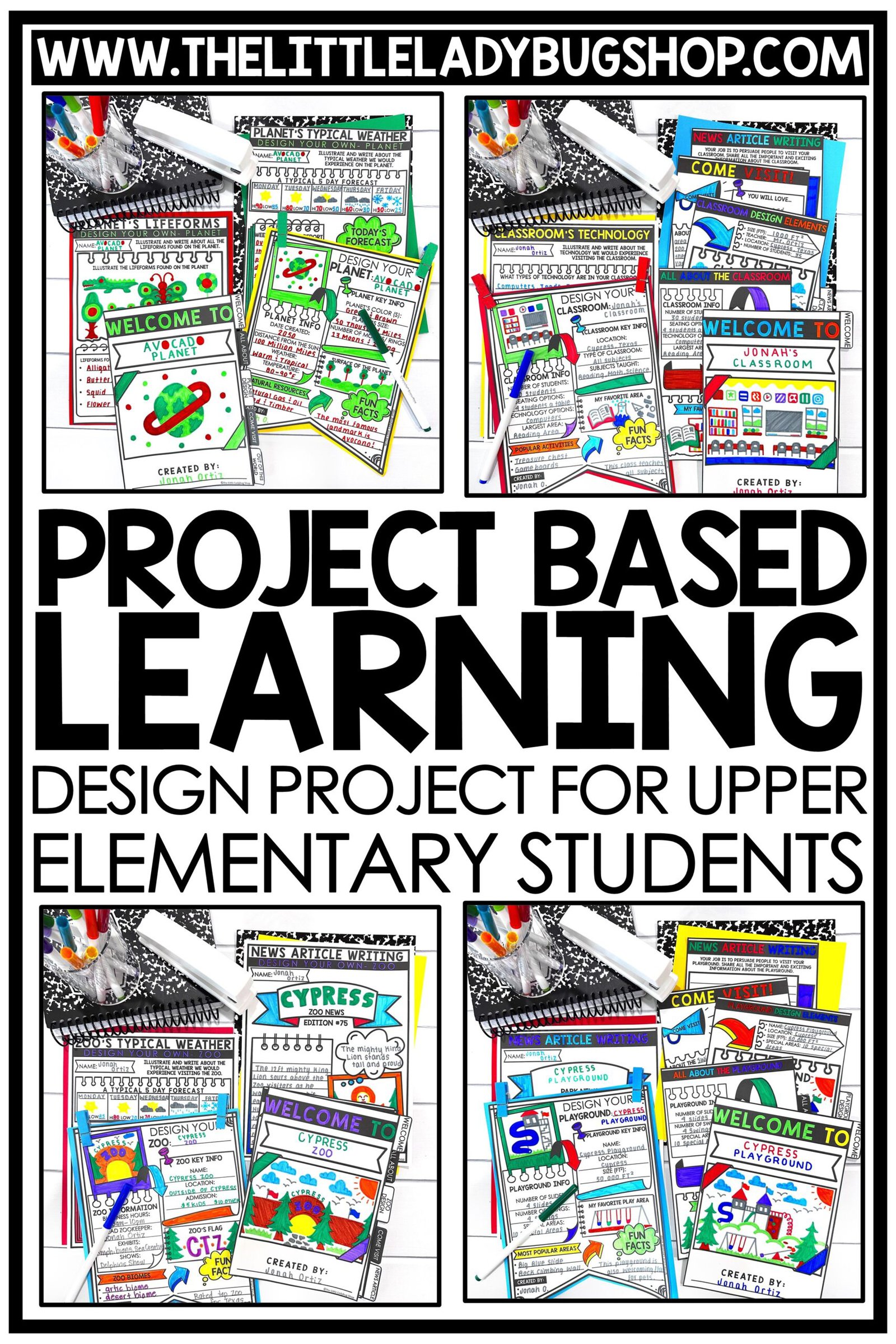

Project Based Learning (PBL) is an educational approach that allows students to gain knowledge and skills by working for an extended period to investigate and respond to an authentic, engaging, and complex question, problem, or challenge. This method encourages students to apply what they learn in a meaningful context, fostering deeper understanding and retention. In this post, we will explore various Project Based Learning Examples and delve into the benefits and implementation strategies of PBL.
Understanding Project Based Learning
Project Based Learning is a dynamic and interactive approach that shifts the focus from traditional teacher-led instruction to student-centered learning. Students are actively engaged in real-world scenarios, encouraging them to think critically, solve problems creatively, and collaborate effectively. This method not only enhances academic achievement but also develops essential life skills.
Benefits of Project Based Learning
Implementing PBL in the classroom offers numerous advantages. Some of the key benefits include:
- Enhanced Engagement: Students are more motivated and engaged when they are working on projects that interest them.
- Deeper Learning: PBL encourages students to delve deeper into subjects, leading to a more comprehensive understanding.
- Critical Thinking and Problem-Solving: Students develop critical thinking skills as they navigate through complex problems and find innovative solutions.
- Collaboration and Communication: Working in groups fosters teamwork and improves communication skills, which are crucial in both academic and professional settings.
- Real-World Application: PBL connects classroom learning to real-world situations, making education more relevant and applicable.
Project Based Learning Examples
To illustrate the effectiveness of PBL, let's explore some Project Based Learning Examples across different subjects:
Science: The Eco-Friendly Garden
In this project, students are tasked with designing and creating an eco-friendly garden. They learn about plant biology, soil science, and environmental sustainability. The project involves research, planning, implementation, and presentation. Students work in groups to decide on the types of plants, soil requirements, and sustainable practices to implement. This hands-on experience not only teaches scientific concepts but also instills a sense of environmental responsibility.
Mathematics: The Budgeting Challenge
Students are given a hypothetical budget and must plan a family vacation within that budget. They need to research costs for transportation, accommodation, meals, and activities. This project helps students understand the practical applications of mathematics, including budgeting, percentages, and data analysis. It also teaches them about financial responsibility and decision-making.
History: The Time Capsule
In this project, students create a time capsule that represents their current era. They research significant events, cultural trends, and technological advancements of the present day. This project encourages students to think critically about history and its relevance to their lives. It also fosters creativity and collaboration as students work together to decide what items to include in the time capsule.
Language Arts: The Community Newspaper
Students are tasked with creating a community newspaper. They conduct interviews, write articles, and design the layout. This project enhances writing, editing, and communication skills. It also teaches students about journalism ethics and the importance of accurate reporting. The final product can be shared with the school community, providing a sense of accomplishment and pride.
Art: The Community Mural
Students collaborate to design and paint a mural for their school or community. This project involves research, planning, and execution. Students learn about different art styles, techniques, and the importance of community engagement. The mural serves as a lasting reminder of their hard work and creativity, benefiting the entire community.
Implementing Project Based Learning
To successfully implement PBL, educators need to follow a structured approach. Here are the key steps involved:
- Define the Project: Clearly outline the project's goals, objectives, and expected outcomes. Ensure the project is relevant and engaging for students.
- Plan the Project: Develop a detailed plan that includes timelines, resources, and assessment criteria. Break down the project into manageable tasks and milestones.
- Engage Students: Introduce the project to students and encourage their input in the planning process. This helps to build ownership and enthusiasm.
- Facilitate Learning: Provide guidance and support as students work on their projects. Encourage collaboration, critical thinking, and problem-solving.
- Assess Progress: Regularly assess students' progress and provide feedback. Use a variety of assessment methods, including self-assessment, peer assessment, and teacher evaluation.
- Reflect and Improve: After the project, reflect on what worked well and what could be improved. Use this feedback to enhance future projects.
📝 Note: It's important to ensure that the project aligns with the curriculum standards and learning objectives. This helps to integrate PBL seamlessly into the existing educational framework.
Challenges and Solutions in Project Based Learning
While PBL offers numerous benefits, it also presents certain challenges. Here are some common issues and potential solutions:
| Challenges | Solutions |
|---|---|
| Time Management | Create a detailed project timeline and break down tasks into smaller, manageable parts. Regularly monitor progress and adjust timelines as needed. |
| Resource Limitations | Utilize available resources creatively and seek community partnerships for additional support. Encourage students to think innovatively within the given constraints. |
| Student Engagement | Choose projects that are relevant and interesting to students. Provide opportunities for student input and decision-making to enhance engagement. |
| Assessment | Use a variety of assessment methods, including rubrics, self-assessment, and peer assessment. Ensure that assessments are aligned with the project's learning objectives. |
📝 Note: Effective communication with students and parents is crucial for the success of PBL. Regular updates and feedback help to keep everyone informed and engaged.
Conclusion
Project Based Learning is a powerful educational approach that transforms the classroom into a dynamic learning environment. By engaging students in real-world projects, educators can foster deeper understanding, critical thinking, and essential life skills. The Project Based Learning Examples discussed in this post illustrate the versatility and effectiveness of PBL across various subjects. As educators continue to explore and implement PBL, they will discover new ways to inspire and empower their students, preparing them for success in an ever-changing world.
Related Terms:
- project based learning examples sport
- project based learning examples elementary
- project based learning ideas examples
- project based learning examples preschool
- project based learning example activities
- project based learning definition