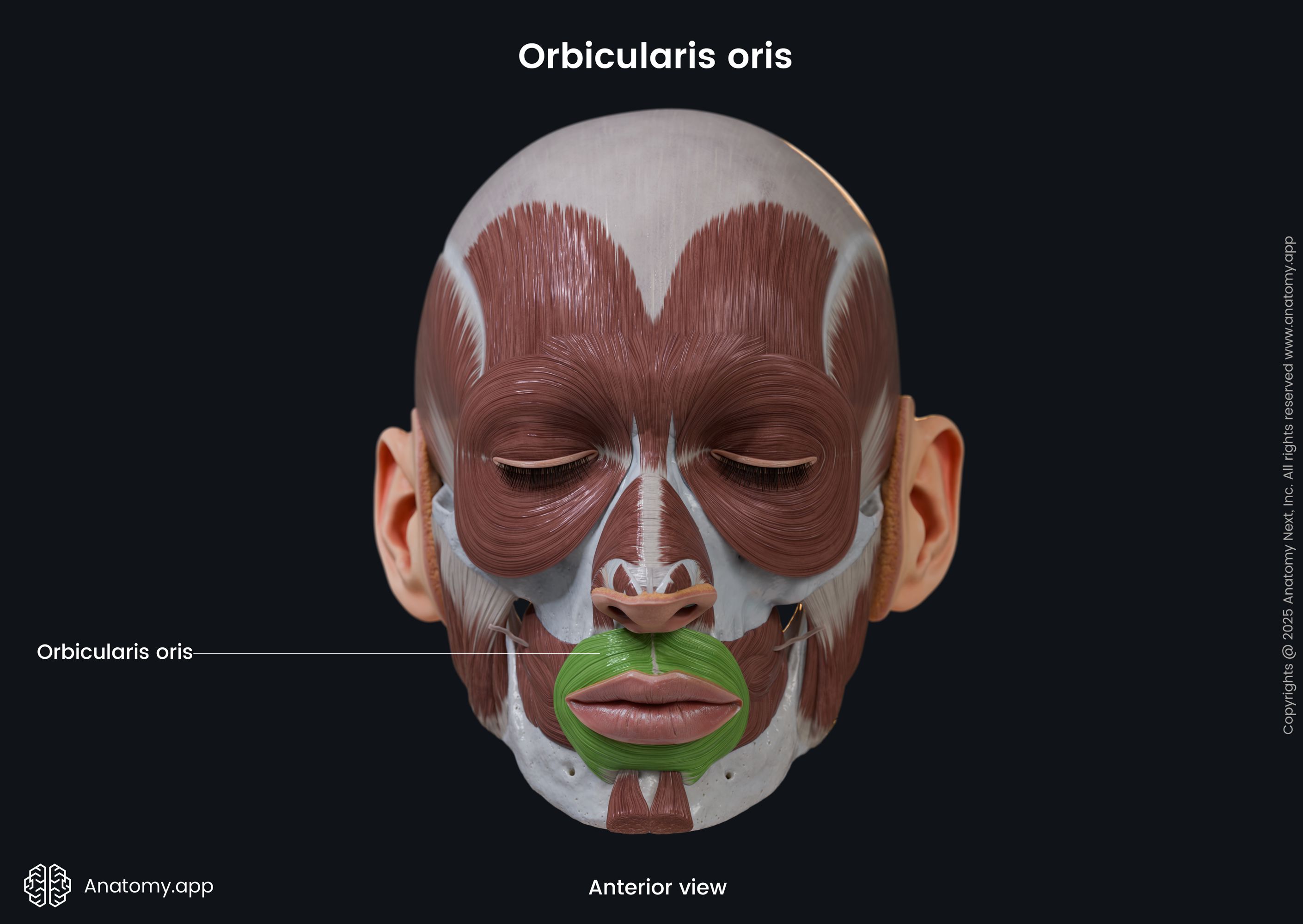

The Orbicularis Oris Muscle, a crucial component of the facial anatomy, plays a pivotal role in various facial expressions and functions. This muscle, located around the mouth, is responsible for the movements that enable us to speak, eat, and express emotions. Understanding the anatomy, function, and significance of the Orbicularis Oris Muscle can provide valuable insights into facial aesthetics, speech therapy, and dental health.
The Anatomy of the Orbicularis Oris Muscle
The Orbicularis Oris Muscle is a circular muscle that encircles the mouth. It is composed of two main parts: the pars marginalis and the pars peripheralis. The pars marginalis is the inner portion of the muscle, which is responsible for the fine movements of the lips, such as pursing and puckering. The pars peripheralis, on the other hand, is the outer portion that provides structural support and helps in the broader movements of the lips, such as opening and closing the mouth.
The muscle is innervated by the facial nerve (cranial nerve VII), which controls the voluntary movements of the facial muscles. The blood supply to the Orbicularis Oris Muscle comes from the facial artery and the superior and inferior labial arteries.
Functions of the Orbicularis Oris Muscle
The primary functions of the Orbicularis Oris Muscle are:
- Speech: The muscle is essential for the articulation of sounds. It helps in the formation of various phonemes, such as /p/, /b/, /m/, and /f/, which are produced by the movements of the lips.
- Feeding: The muscle aids in the process of eating by helping to close the lips around food and facilitating the movement of food within the oral cavity.
- Facial Expressions: The Orbicularis Oris Muscle contributes to a wide range of facial expressions, including smiling, frowning, and pouting. These expressions are crucial for non-verbal communication and social interactions.
- Oral Competence: The muscle plays a role in maintaining oral competence, which is the ability to keep the lips closed and the mouth sealed. This is important for preventing drooling and maintaining oral hygiene.
Clinical Significance of the Orbicularis Oris Muscle
The Orbicularis Oris Muscle is of significant clinical importance in various fields of medicine, including dentistry, speech therapy, and plastic surgery.
Dentistry
In dentistry, the Orbicularis Oris Muscle is crucial for the stability and retention of dental prostheses, such as dentures and implants. The muscle helps to keep the prosthesis in place by providing a seal around the teeth. Additionally, the muscle's function is often assessed during the evaluation of temporomandibular joint disorders (TMD), as dysfunction in the Orbicularis Oris Muscle can contribute to TMD symptoms.
Speech Therapy
Speech therapists often work with individuals who have difficulties with lip movements, such as those with cerebral palsy or stroke. By targeting the Orbicularis Oris Muscle, therapists can help improve articulation, speech clarity, and overall communication skills. Exercises that strengthen and coordinate the muscle can be beneficial for individuals with speech impairments.
Plastic Surgery
In plastic surgery, the Orbicularis Oris Muscle is a key consideration in procedures that involve the lips, such as lip augmentation and lip lift. Surgeons must carefully assess and manipulate the muscle to achieve natural-looking and functional results. Additionally, the muscle's function is often evaluated in patients seeking facial rejuvenation, as age-related changes in the Orbicularis Oris Muscle can contribute to the appearance of fine lines and wrinkles around the mouth.
Exercises for the Orbicularis Oris Muscle
Strengthening and toning the Orbicularis Oris Muscle can improve facial aesthetics, speech clarity, and overall oral function. Here are some exercises that target this muscle:
Pouting Exercise
Pursing the lips as if to give a kiss and holding the position for a few seconds can help strengthen the Orbicularis Oris Muscle. Repeat this exercise 10-15 times for optimal results.
Whistling Exercise
Practicing whistling can help improve the coordination and strength of the Orbicularis Oris Muscle. Try to whistle a simple tune and gradually increase the complexity as your muscle strength improves.
Smiling Exercise
Smiling widely and holding the position for a few seconds can help tone the Orbicularis Oris Muscle. Repeat this exercise 10-15 times to see noticeable improvements in facial aesthetics and muscle strength.
💡 Note: It is important to perform these exercises gently and avoid overstraining the muscle. If you experience any pain or discomfort, consult a healthcare professional.
Common Conditions Affecting the Orbicularis Oris Muscle
Several conditions can affect the function and appearance of the Orbicularis Oris Muscle. Understanding these conditions can help in early detection and appropriate management.
Bell's Palsy
Bell's palsy is a condition that causes temporary weakness or paralysis of the facial muscles, including the Orbicularis Oris Muscle. This condition is often caused by inflammation or compression of the facial nerve. Symptoms may include drooping of the mouth, difficulty speaking, and impaired facial expressions.
Stroke
A stroke can affect the facial muscles, including the Orbicularis Oris Muscle, leading to weakness or paralysis on one side of the face. This can result in difficulties with speech, eating, and facial expressions. Rehabilitation exercises and therapies can help improve muscle function and overall recovery.
Oral Submucous Fibrosis
Oral submucous fibrosis is a chronic condition characterized by the hardening and stiffening of the oral mucosa, including the Orbicularis Oris Muscle. This condition can lead to restricted mouth opening, difficulty in eating and speaking, and altered facial expressions. Early detection and management are crucial for preventing further progression of the disease.
Preventive Measures for Orbicularis Oris Muscle Health
Maintaining the health of the Orbicularis Oris Muscle is essential for overall oral function and facial aesthetics. Here are some preventive measures to consider:
- Regular Exercise: Incorporate exercises that target the Orbicularis Oris Muscle into your daily routine to maintain muscle strength and flexibility.
- Hydration: Stay hydrated to keep the oral mucosa and muscles well-lubricated and functioning optimally.
- Avoid Smoking: Smoking can damage the facial muscles and impair their function. Quitting smoking can help maintain the health of the Orbicularis Oris Muscle.
- Dental Care: Regular dental check-ups and proper oral hygiene can help prevent conditions that affect the Orbicularis Oris Muscle, such as oral submucous fibrosis.
In addition to these measures, it is important to seek professional help if you experience any symptoms or concerns related to the Orbicularis Oris Muscle. Early intervention can prevent complications and improve overall outcomes.
In conclusion, the Orbicularis Oris Muscle is a vital component of the facial anatomy, playing a crucial role in speech, feeding, and facial expressions. Understanding its anatomy, function, and clinical significance can provide valuable insights into various medical fields, including dentistry, speech therapy, and plastic surgery. By incorporating exercises and preventive measures into your routine, you can maintain the health and function of the Orbicularis Oris Muscle, ensuring optimal oral function and facial aesthetics.
Related Terms:
- orbicularis oris
- orbicularis oris muscle function
- depressor anguli oris muscle
- orbicularis oris muscle action
- levator anguli oris
- occipitofrontalis muscle