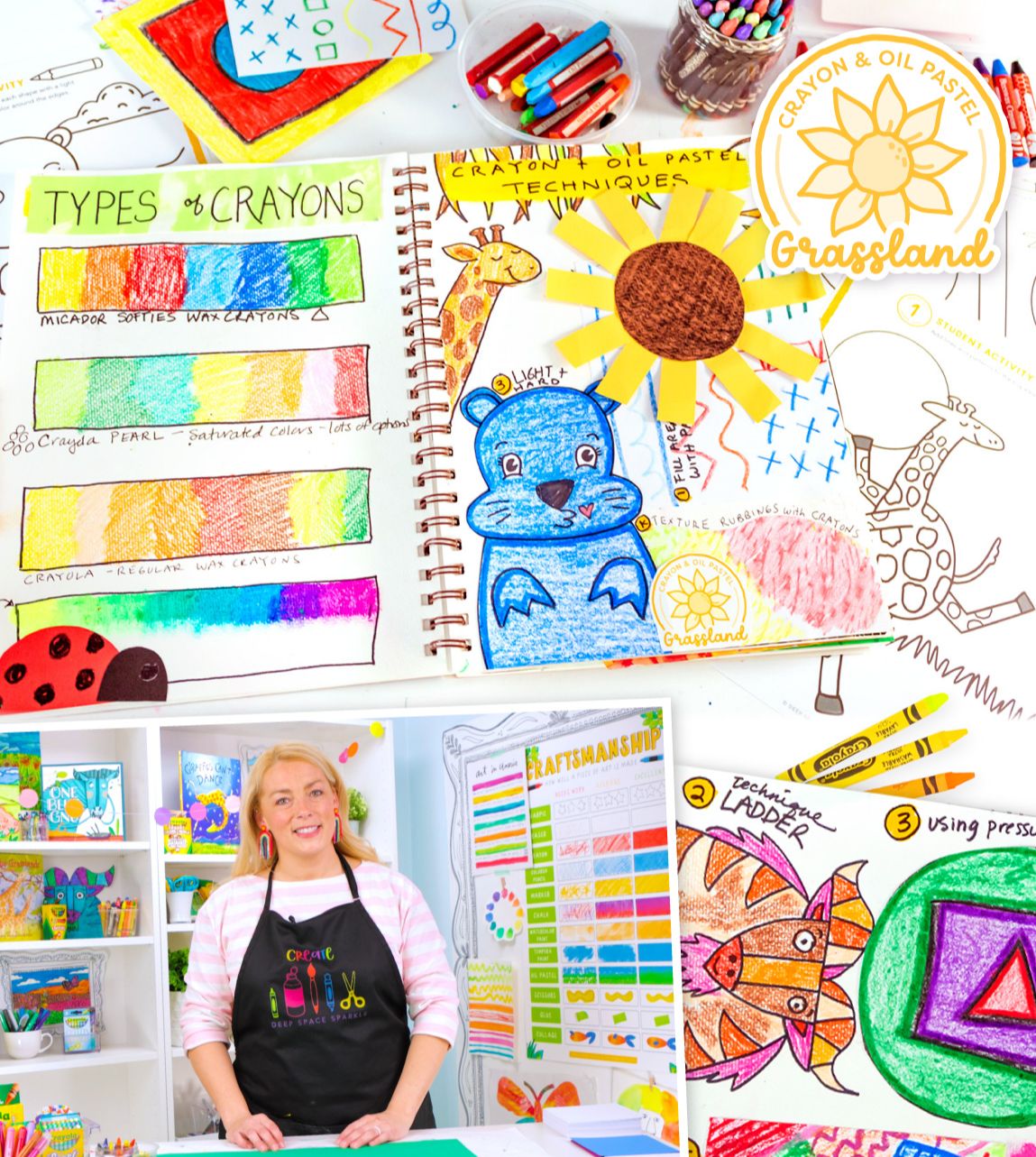

Oil crayon techniques are a versatile and expressive medium that allows artists to create vibrant and detailed artwork. Whether you're a beginner or an experienced artist, mastering various oil crayon techniques can significantly enhance your artistic skills and open up new creative possibilities. This guide will walk you through the essential techniques, tools, and tips to help you get the most out of your oil crayons.
Understanding Oil Crayons
Oil crayons, also known as oil pastels, are a type of drawing and painting medium that combines the vibrancy of oil paints with the convenience of crayons. They are made from a mixture of pigment, wax, and oil, which gives them a creamy texture and rich color. Oil crayons are available in a wide range of colors and can be used on various surfaces, including paper, canvas, and wood.
Essential Tools for Oil Crayon Techniques
Before diving into the techniques, it’s important to have the right tools. Here are some essential items you’ll need:
- Oil crayons: A set of high-quality oil crayons with a variety of colors.
- Paper or canvas: Choose a surface that is compatible with oil crayons, such as pastel paper, drawing paper, or canvas.
- Blending tools: Fingers, tortillons, or blending stumps can help smooth out colors and create gradients.
- Solvents: Turpentine or odorless mineral spirits can be used to thin out the crayon and create unique effects.
- Fixative: A spray fixative can help protect your artwork and prevent smudging.
Basic Oil Crayon Techniques
Mastering the basic techniques is the first step in creating stunning artwork with oil crayons. Here are some fundamental methods to get you started:
Direct Application
Direct application involves applying the oil crayon directly to the surface. This technique is great for creating bold, vibrant colors and adding texture to your artwork. To use this method:
- Hold the crayon at a 45-degree angle to the surface.
- Apply pressure to the crayon and move it across the surface in smooth, even strokes.
- Vary the pressure to create different shades and textures.
Blending
Blending is a technique that involves smoothing out the colors to create gradients and soft transitions. This method can be achieved using your fingers, a tortillon, or a blending stump. To blend oil crayons:
- Apply the crayon to the surface using direct application.
- Use your finger or a blending tool to gently rub the colors together.
- Continue blending until you achieve the desired effect.
Layering
Layering involves applying multiple layers of color to build depth and richness. This technique is particularly useful for creating detailed and complex artwork. To layer oil crayons:
- Apply a base layer of color using direct application.
- Allow the base layer to dry slightly.
- Apply additional layers of color, blending as needed to create smooth transitions.
Scumbling
Scumbling is a technique that involves applying thin layers of color over a dry base layer. This method creates a textured, broken-color effect that can add depth and interest to your artwork. To scumble oil crayons:
- Apply a base layer of color and allow it to dry completely.
- Using a light touch, apply thin layers of a different color over the base layer.
- Continue adding layers until you achieve the desired effect.
Sgraffito
Sgraffito is a technique that involves scratching or carving into the surface to reveal underlying layers of color. This method can create intricate patterns and textures. To use sgraffito with oil crayons:
- Apply multiple layers of color, allowing each layer to dry slightly.
- Use a sharp tool, such as a craft knife or a toothpick, to scratch into the surface and reveal the underlying colors.
- Experiment with different patterns and textures to create unique effects.
📝 Note: Always ensure your workspace is well-ventilated when using solvents and fixatives.
Advanced Oil Crayon Techniques
Once you’ve mastered the basics, you can explore more advanced techniques to take your artwork to the next level. Here are some advanced methods to try:
Solvent Techniques
Solvents can be used to thin out the oil crayon and create unique effects. Turpentine or odorless mineral spirits can be applied directly to the crayon or the surface to achieve different results. To use solvents with oil crayons:
- Apply the crayon to the surface using direct application.
- Dip a brush or cloth in solvent and gently rub it over the crayon.
- Experiment with different amounts of solvent to create various effects.
Wet-on-Wet
The wet-on-wet technique involves applying oil crayon to a wet surface. This method creates a watercolor-like effect and allows for smooth color transitions. To use the wet-on-wet technique:
- Wet the surface with water using a brush or spray bottle.
- Apply the crayon to the wet surface, allowing the colors to blend naturally.
- Continue adding layers of color until you achieve the desired effect.
Impasto
Impasto is a technique that involves applying thick layers of oil crayon to create a textured, three-dimensional effect. This method can add depth and interest to your artwork. To use impasto with oil crayons:
- Apply thick layers of crayon to the surface using direct application.
- Use a palette knife or other tool to shape and texture the crayon.
- Allow the layers to dry completely before adding additional details.
Collage
Collage involves incorporating various materials into your artwork to create a mixed-media piece. Oil crayons can be used in combination with paper, fabric, and other materials to create unique and textured artwork. To create a collage with oil crayons:
- Gather your materials, including paper, fabric, and other found objects.
- Apply oil crayon to the surface using direct application or other techniques.
- Incorporate the materials into your artwork, using glue or other adhesives as needed.
Creating a Color Chart
Creating a color chart can help you understand the range of colors available in your oil crayon set and how they blend together. Here’s a simple guide to creating a color chart:
- Choose a surface, such as pastel paper or drawing paper.
- Apply a base layer of color using direct application.
- Allow the base layer to dry slightly.
- Apply additional layers of color, blending as needed to create smooth transitions.
Here is an example of a color chart:
| Color | Blended Color | Notes |
|---|---|---|
| Red | Red + Blue = Purple | Vibrant and bold |
| Blue | Blue + Yellow = Green | Cool and calming |
| Yellow | Yellow + Red = Orange | Warm and energetic |
📝 Note: Experiment with different color combinations to discover new hues and shades.
Caring for Your Oil Crayons
Proper care and storage of your oil crayons can extend their lifespan and ensure they remain in good condition. Here are some tips for caring for your oil crayons:
- Store your oil crayons in a cool, dry place away from direct sunlight.
- Keep the crayons in their original container or a dedicated storage box to prevent breakage.
- Avoid exposing the crayons to extreme temperatures or humidity.
- Clean your hands and tools before and after use to prevent contamination.
By following these tips, you can ensure that your oil crayons remain in optimal condition for your artistic endeavors.

Oil crayon techniques offer a world of creative possibilities, from vibrant landscapes to intricate portraits. By mastering the basic and advanced techniques, you can unlock the full potential of this versatile medium and create stunning artwork that reflects your unique style and vision. Whether you’re a beginner or an experienced artist, exploring different oil crayon techniques can enhance your artistic skills and inspire new creative directions.
Related Terms:
- using pastel crayons for beginners
- oil pastel ideas for beginners
- using oil pastels for beginners
- oil pastel tutorial for beginners
- easy drawing using oil pastels
- oil pastel painting for beginners