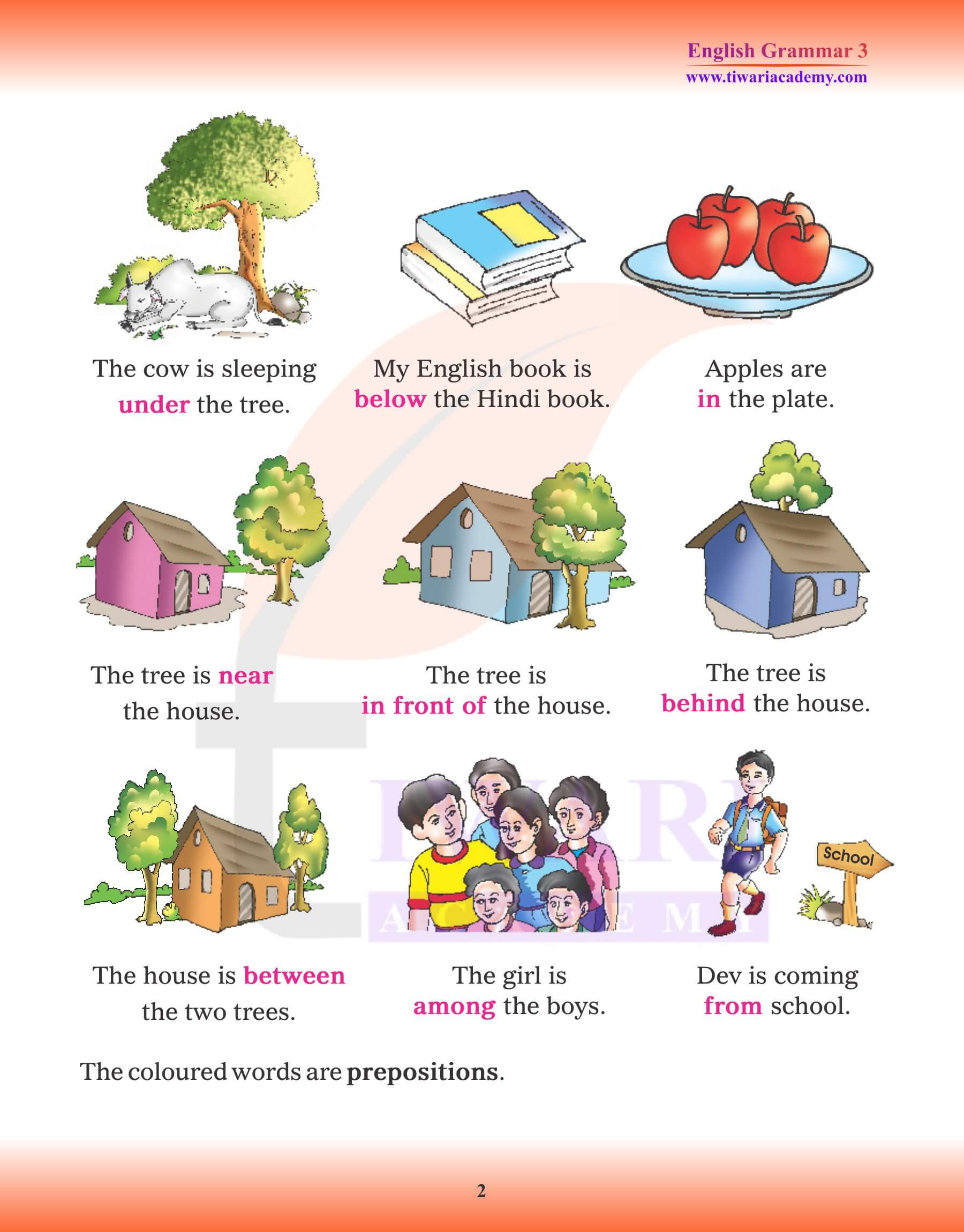

Understanding the intricacies of grammar can be both fascinating and challenging. One of the fundamental aspects of English grammar is the use of prepositions and their objects. Prepositions are words that show relationships between nouns or pronouns and other words in a sentence. The object of a preposition is the noun, pronoun, or noun phrase that follows the preposition and completes its meaning. This concept is crucial for constructing clear and grammatically correct sentences. Let's delve into the world of prepositions and explore various object of preposition examples to gain a deeper understanding.
What is a Preposition?
A preposition is a word that links nouns, pronouns, or phrases to other words in a sentence. Prepositions indicate relationships such as time, place, direction, cause, and manner. Common prepositions include words like in, on, at, to, from, with, and about. Understanding how to use prepositions correctly is essential for effective communication.
Identifying the Object of a Preposition
The object of a preposition is the word or phrase that follows the preposition and completes its meaning. Identifying the object of a preposition involves recognizing the noun, pronoun, or noun phrase that comes after the preposition. For example, in the sentence “The book is on the table,” the preposition is “on,” and the object of the preposition is “the table.”
Common Prepositions and Their Objects
Let’s explore some common prepositions and their objects through various object of preposition examples.
Prepositions of Place
Prepositions of place indicate location. Some common prepositions of place include in, on, at, and under.
- In: The cat is in the box.
- On: The book is on the shelf.
- At: She is waiting at the bus stop.
- Under: The keys are under the mat.
Prepositions of Time
Prepositions of time indicate when something happens. Common prepositions of time include in, on, at, and during.
- In: The meeting is in the morning.
- On: The party is on Saturday.
- At: The train arrives at noon.
- During: She studied during the summer.
Prepositions of Direction
Prepositions of direction indicate movement from one place to another. Common prepositions of direction include to, from, and through.
- To: They are traveling to Paris.
- From: The letter came from my friend.
- Through: We walked through the park.
Prepositions of Cause
Prepositions of cause indicate the reason for something. Common prepositions of cause include because of, due to, and on account of.
- Because of: She missed the bus because of the traffic.
- Due to: The event was canceled due to the rain.
- On account of: He left early on account of the storm.
Prepositions of Manner
Prepositions of manner indicate how something is done. Common prepositions of manner include with, by, and in.
- With: She spoke with confidence.
- By: The project was completed by the deadline.
- In: He wrote the letter in a hurry.
Complex Prepositional Phrases
Prepositional phrases can become complex when they include multiple words or clauses. Understanding these phrases requires identifying the preposition and its object, as well as any modifiers that provide additional information.
For example, consider the sentence: "The book on the top shelf in the library is mine." In this sentence, the prepositional phrase "on the top shelf in the library" includes multiple prepositions and their objects. The main preposition is "on," with "the top shelf" as its object. The phrase "in the library" is a separate prepositional phrase that modifies "the top shelf."
📝 Note: Complex prepositional phrases can be broken down into smaller parts to understand their structure and meaning better.
Prepositional Phrases as Adjectives or Adverbs
Prepositional phrases can function as adjectives or adverbs in a sentence. When they function as adjectives, they modify nouns or pronouns. When they function as adverbs, they modify verbs, adjectives, or other adverbs.
Prepositional Phrases as Adjectives
When a prepositional phrase functions as an adjective, it provides additional information about a noun or pronoun. For example:
- The girl with the red hat is my sister.
- The book on the table is mine.
Prepositional Phrases as Adverbs
When a prepositional phrase functions as an adverb, it provides additional information about a verb, adjective, or another adverb. For example:
- She sang with great enthusiasm.
- He spoke in a low voice.
Common Mistakes with Prepositions
Using prepositions correctly can be challenging, and there are several common mistakes to avoid. Some of these mistakes include:
- Using the wrong preposition: For example, saying “I am interested in learning Spanish” instead of “I am interested to learn Spanish.”
- Omitting the object of the preposition: For example, saying “She is good at” instead of “She is good at cooking.”
- Using a preposition where none is needed: For example, saying “I am going to the store to buy groceries” instead of “I am going to the store buy groceries.”
📝 Note: Paying attention to the context and meaning of the sentence can help avoid these common mistakes.
Practice Exercises
To improve your understanding of prepositions and their objects, try the following practice exercises:
Exercise 1: Identify the Preposition and Its Object
Read the following sentences and identify the preposition and its object in each sentence.
- The cat is sleeping under the bed.
- She is waiting for the bus.
- The book is on the shelf.
- He is good at playing chess.
- The meeting is in the conference room.
Exercise 2: Fill in the Blanks
Fill in the blanks with the correct preposition and its object.
- The keys are __________ the table.
- She is traveling __________ Europe.
- The party is __________ Saturday night.
- He is interested __________ learning a new language.
- The book is __________ the library.
Exercise 3: Create Your Own Sentences
Create your own sentences using different prepositions and their objects. Try to include a variety of prepositions of place, time, direction, cause, and manner.
For example:
- The dog is sleeping under the table.
- She is going to the store to buy groceries.
- The meeting is at 3 PM.
- He is excited about his new job.
- They walked through the park.
By practicing these exercises, you can improve your understanding of prepositions and their objects, as well as your overall grammar skills.
Prepositions and their objects are fundamental to English grammar. Understanding how to use them correctly can greatly enhance your communication skills. By exploring various object of preposition examples and practicing with exercises, you can gain a deeper understanding of this important grammatical concept. Whether you are a native speaker or learning English as a second language, mastering prepositions and their objects is essential for clear and effective communication.
Related Terms:
- predicate noun examples
- object of preposition examples gerund
- predicate nominative examples
- prepositional phrase object
- object of preposition list
- prepositions definition and examples