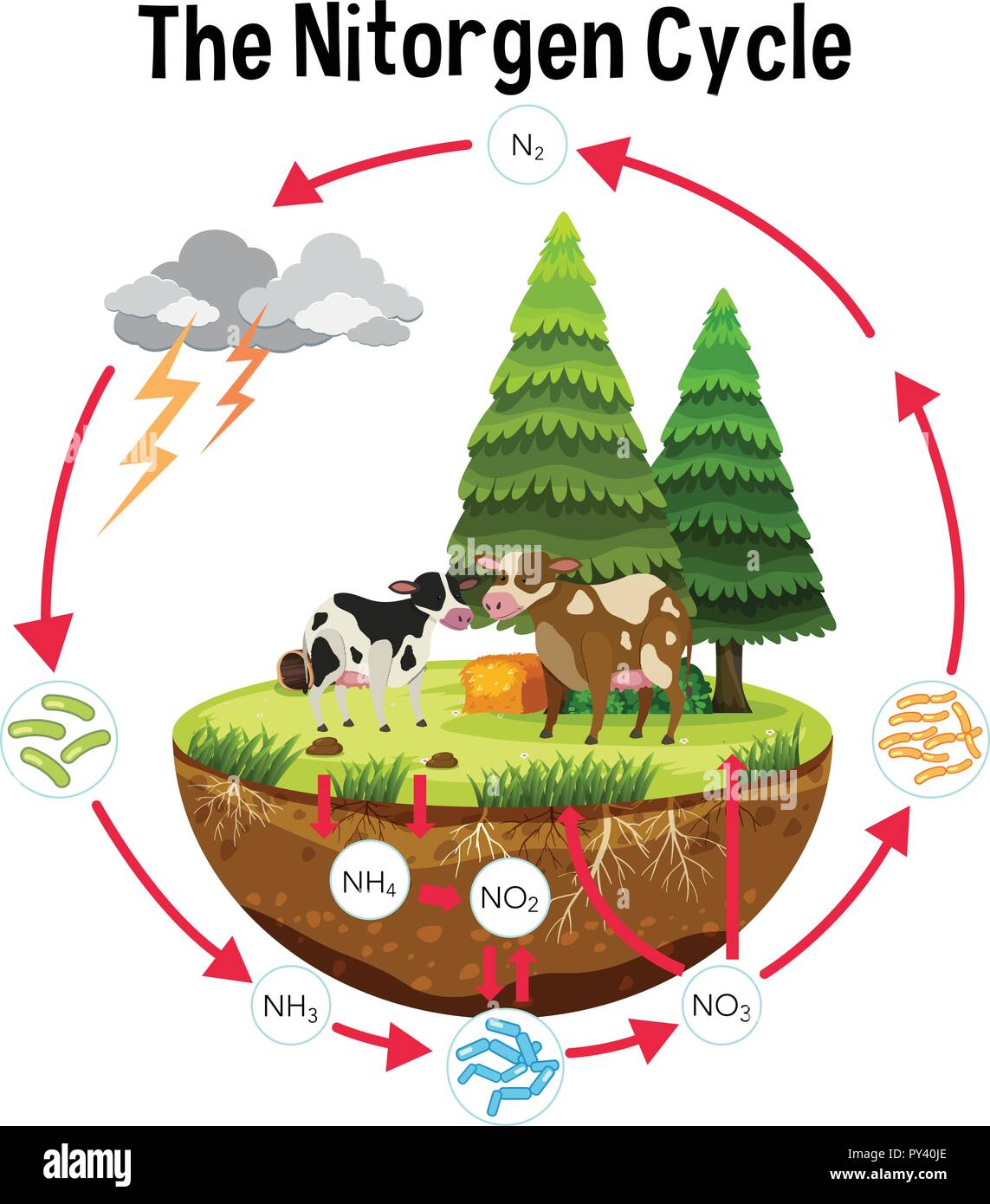

Understanding the nitrogen cycle is crucial for anyone interested in environmental science, agriculture, or ecology. The nitrogen cycle is a fundamental process that describes how nitrogen moves through the ecosystem, from the atmosphere to living organisms and back again. This cycle is essential for the growth of plants, the health of soils, and the overall balance of ecosystems. To fully grasp this complex process, it's helpful to visualize it through a Nitrogen Cycle Diagram.
What is the Nitrogen Cycle?
The nitrogen cycle is a series of processes by which nitrogen and its compounds are interconverted in the environment. Nitrogen is a vital element for all living organisms, as it is a key component of amino acids, proteins, and nucleic acids. However, most organisms cannot use nitrogen directly from the atmosphere, where it is abundant as N2 gas. Instead, they rely on various forms of nitrogen that are converted through biological and chemical processes.
Key Components of the Nitrogen Cycle
The nitrogen cycle involves several key components and processes:
- Nitrogen Fixation: This process converts atmospheric nitrogen (N2) into ammonia (NH3) or related compounds. It is primarily carried out by certain bacteria and archaea.
- Nitrification: This two-step process converts ammonia into nitrites (NO2-) and then into nitrates (NO3-). It is performed by nitrifying bacteria.
- Assimilation: Plants and other organisms absorb nitrates and ammonium ions from the soil and incorporate them into organic molecules.
- Ammonification: When organisms die, decomposers break down the organic nitrogen in their bodies, releasing ammonia back into the soil.
- Denitrification: This process converts nitrates back into nitrogen gas (N2), which is released into the atmosphere. It is performed by denitrifying bacteria.
Importance of the Nitrogen Cycle
The nitrogen cycle is essential for several reasons:
- Plant Growth: Nitrogen is a critical nutrient for plant growth. Plants absorb nitrogen from the soil in the form of nitrates and ammonium ions, which are then used to synthesize proteins and nucleic acids.
- Soil Health: The nitrogen cycle helps maintain soil fertility by recycling nitrogen compounds. This is crucial for sustainable agriculture and ecosystem health.
- Ecosystem Balance: The nitrogen cycle plays a role in maintaining the balance of ecosystems by regulating the availability of nitrogen to different organisms.
- Atmospheric Balance: The cycle helps regulate the levels of nitrogen gases in the atmosphere, which is important for climate regulation and air quality.
Understanding the Nitrogen Cycle Diagram
A Nitrogen Cycle Diagram is a visual representation of the various processes and components involved in the nitrogen cycle. It helps in understanding how nitrogen moves through different parts of the ecosystem. The diagram typically includes the following elements:
- Atmosphere: The source of atmospheric nitrogen (N2).
- Nitrogen Fixation: Conversion of N2 to ammonia (NH3) by nitrogen-fixing bacteria.
- Nitrification: Conversion of ammonia to nitrites (NO2-) and then to nitrates (NO3-) by nitrifying bacteria.
- Assimilation: Absorption of nitrates and ammonium ions by plants and other organisms.
- Ammonification: Decomposition of organic nitrogen into ammonia by decomposers.
- Denitrification: Conversion of nitrates back to nitrogen gas (N2) by denitrifying bacteria.
📝 Note: The Nitrogen Cycle Diagram is a useful educational tool for students and professionals in environmental science, agriculture, and ecology. It provides a clear and concise visual representation of the complex processes involved in the nitrogen cycle.
Steps to Create a Nitrogen Cycle Diagram
Creating a Nitrogen Cycle Diagram can be a helpful exercise for understanding the nitrogen cycle. Here are the steps to create a basic diagram:
- Gather Materials: You will need paper, pencils, markers, and possibly a computer with drawing software.
- Identify Key Components: List the key components of the nitrogen cycle, such as the atmosphere, nitrogen-fixing bacteria, nitrifying bacteria, plants, decomposers, and denitrifying bacteria.
- Draw the Atmosphere: Start by drawing a large circle or cloud to represent the atmosphere, where nitrogen gas (N2) is abundant.
- Add Nitrogen Fixation: Draw arrows pointing from the atmosphere to nitrogen-fixing bacteria, indicating the conversion of N2 to ammonia (NH3).
- Include Nitrification: Draw arrows from the ammonia to nitrifying bacteria, showing the conversion to nitrites (NO2-) and then to nitrates (NO3-).
- Show Assimilation: Draw arrows from the nitrates and ammonium ions to plants, indicating their absorption and incorporation into organic molecules.
- Add Ammonification: Draw arrows from decomposers to ammonia, showing the breakdown of organic nitrogen.
- Include Denitrification: Draw arrows from nitrates back to the atmosphere, indicating the conversion to nitrogen gas (N2) by denitrifying bacteria.
- Label and Color: Label each component and process clearly. Use different colors to distinguish between different parts of the cycle.
📝 Note: When creating a Nitrogen Cycle Diagram, it's important to be accurate and clear. Use arrows to show the direction of nitrogen flow and label each process and component clearly. This will help in understanding the complex interactions within the nitrogen cycle.
Applications of the Nitrogen Cycle Diagram
The Nitrogen Cycle Diagram has several practical applications:
- Educational Tool: It is widely used in classrooms to teach students about the nitrogen cycle and its importance in ecosystems.
- Agricultural Planning: Farmers and agricultural scientists use the diagram to understand how to manage soil fertility and improve crop yields.
- Environmental Monitoring: Environmental scientists use the diagram to monitor and manage nitrogen levels in ecosystems, which is crucial for maintaining ecological balance.
- Research and Development: Researchers use the diagram to study the effects of human activities on the nitrogen cycle and to develop strategies for sustainable nitrogen management.
Factors Affecting the Nitrogen Cycle
Several factors can affect the nitrogen cycle, including:
- Human Activities: Industrial activities, agriculture, and urbanization can introduce excess nitrogen into the environment, leading to issues like eutrophication and acid rain.
- Climate Change: Changes in temperature and precipitation patterns can alter the rates of nitrogen fixation, nitrification, and denitrification.
- Soil Health: The health of the soil, including its microbial activity and organic matter content, can affect the efficiency of the nitrogen cycle.
- Pollution: Air and water pollution can introduce harmful substances that disrupt the nitrogen cycle, affecting plant growth and ecosystem health.
Nitrogen Cycle in Different Ecosystems
The nitrogen cycle operates differently in various ecosystems. Here are some examples:
- Terrestrial Ecosystems: In forests and grasslands, the nitrogen cycle is driven by the decomposition of plant and animal matter, with a significant role played by soil microorganisms.
- Aquatic Ecosystems: In lakes, rivers, and oceans, the nitrogen cycle involves the conversion of nitrogen compounds in water, with processes like nitrification and denitrification occurring in the water column and sediments.
- Agricultural Ecosystems: In agricultural fields, the nitrogen cycle is heavily influenced by human activities, such as the application of fertilizers and the cultivation of crops.
- Urban Ecosystems: In cities, the nitrogen cycle is affected by pollution, waste management, and the presence of concrete and other impervious surfaces.
Nitrogen Cycle and Human Health
The nitrogen cycle has significant implications for human health. Excess nitrogen in the environment can lead to several health issues:
- Water Quality: High levels of nitrates in drinking water can cause methemoglobinemia, a condition that reduces the blood’s ability to carry oxygen, particularly in infants.
- Air Quality: Nitrogen oxides (NOx) from industrial and vehicular emissions contribute to air pollution, leading to respiratory problems and other health issues.
- Soil Health: Excess nitrogen can lead to soil acidification and the loss of essential nutrients, affecting crop quality and human nutrition.
- Ecosystem Services: Disruptions in the nitrogen cycle can affect ecosystem services, such as water purification and pollination, which are crucial for human well-being.
Nitrogen Cycle and Climate Change
The nitrogen cycle is closely linked to climate change. Changes in temperature, precipitation, and atmospheric composition can alter the rates of nitrogen fixation, nitrification, and denitrification. For example:
- Increased Temperatures: Higher temperatures can accelerate the decomposition of organic matter, releasing more nitrogen into the soil and atmosphere.
- Changed Precipitation Patterns: Altered rainfall patterns can affect the leaching of nitrogen from soils, leading to increased runoff and pollution of water bodies.
- Atmospheric Changes: Increased levels of greenhouse gases can affect the availability of nitrogen in the atmosphere, influencing the rates of nitrogen fixation and denitrification.
Nitrogen Cycle and Sustainable Agriculture
Sustainable agriculture practices aim to maintain the balance of the nitrogen cycle while maximizing crop yields. Some key practices include:
- Crop Rotation: Rotating crops can help maintain soil fertility and reduce the need for synthetic fertilizers, which can disrupt the nitrogen cycle.
- Cover Crops: Planting cover crops can improve soil health and increase the availability of nitrogen to subsequent crops.
- Organic Fertilizers: Using organic fertilizers, such as compost and manure, can provide a steady supply of nitrogen to plants without the environmental risks associated with synthetic fertilizers.
- Precision Agriculture: Using technology to monitor soil nitrogen levels and apply fertilizers precisely can reduce nitrogen losses and improve crop yields.
Nitrogen Cycle and Environmental Conservation
Conserving the nitrogen cycle is essential for maintaining healthy ecosystems. Some strategies for environmental conservation include:
- Reducing Pollution: Implementing measures to reduce air and water pollution can help maintain the balance of the nitrogen cycle.
- Protecting Wetlands: Wetlands play a crucial role in the nitrogen cycle by filtering pollutants and converting nitrogen compounds. Protecting and restoring wetlands can help maintain ecosystem health.
- Promoting Biodiversity: Encouraging biodiversity in ecosystems can enhance the efficiency of the nitrogen cycle by providing a variety of organisms that perform different nitrogen-related processes.
- Sustainable Land Use: Practicing sustainable land use, such as reforestation and conservation agriculture, can help maintain soil health and the balance of the nitrogen cycle.
📝 Note: The Nitrogen Cycle Diagram is a valuable tool for understanding the complex interactions within the nitrogen cycle. It can be used to educate, plan, and implement strategies for sustainable nitrogen management in various ecosystems.
Nitrogen Cycle and Policy Making
Effective policy-making is crucial for managing the nitrogen cycle and mitigating its environmental impacts. Policies should focus on:
- Regulating Fertilizer Use: Implementing regulations to control the use of synthetic fertilizers can reduce nitrogen pollution and promote sustainable agriculture.
- Promoting Sustainable Practices: Encouraging sustainable agricultural and land-use practices can help maintain the balance of the nitrogen cycle.
- Monitoring and Research: Investing in monitoring and research can provide valuable data for understanding the nitrogen cycle and developing effective management strategies.
- Public Awareness: Raising public awareness about the importance of the nitrogen cycle and its environmental impacts can encourage individuals and communities to adopt sustainable practices.
Nitrogen Cycle and Future Challenges
The nitrogen cycle faces several future challenges, including:
- Increasing Population: The growing global population will increase the demand for food, leading to intensified agricultural practices and potential disruptions in the nitrogen cycle.
- Climate Change: Climate change will continue to affect the nitrogen cycle, requiring adaptive management strategies to maintain ecosystem health.
- Technological Advancements: New technologies, such as precision agriculture and biotechnology, can help manage the nitrogen cycle more effectively, but they also present challenges related to sustainability and environmental impact.
- Policy and Governance: Effective policy-making and governance are essential for managing the nitrogen cycle and addressing its environmental impacts. However, achieving consensus and implementing policies can be challenging.
📝 Note: The Nitrogen Cycle Diagram is a useful tool for visualizing the complex interactions within the nitrogen cycle. It can help in understanding the challenges and developing strategies for sustainable nitrogen management.
Nitrogen Cycle and Global Efforts
Global efforts to manage the nitrogen cycle include:
- International Agreements: Agreements such as the Paris Agreement and the Montreal Protocol address issues related to the nitrogen cycle, such as climate change and ozone depletion.
- Research and Development: International research initiatives focus on understanding the nitrogen cycle and developing sustainable management practices.
- Collaboration and Partnerships: Collaborative efforts between governments, organizations, and communities can help address the challenges of the nitrogen cycle and promote sustainable practices.
- Education and Awareness: Global education and awareness campaigns aim to inform the public about the importance of the nitrogen cycle and its environmental impacts.
Nitrogen Cycle and Local Initiatives
Local initiatives to manage the nitrogen cycle include:
- Community Gardens: Community gardens promote sustainable agriculture and educate individuals about the nitrogen cycle and its importance.
- Waste Management: Effective waste management practices can reduce nitrogen pollution and promote sustainable nitrogen cycling.
- Educational Programs: Local educational programs can raise awareness about the nitrogen cycle and encourage sustainable practices.
- Policy Implementation: Local policies can regulate fertilizer use, promote sustainable agriculture, and protect ecosystems, helping to maintain the balance of the nitrogen cycle.
📝 Note: The Nitrogen Cycle Diagram is a valuable tool for local initiatives, providing a clear and concise visual representation of the nitrogen cycle and its components.
Nitrogen Cycle and Technological Innovations
Technological innovations play a crucial role in managing the nitrogen cycle. Some key innovations include:
- Precision Agriculture: Precision agriculture uses technology to monitor soil nitrogen levels and apply fertilizers precisely, reducing nitrogen losses and improving crop yields.
- Biotechnology: Biotechnology can develop new strains of nitrogen-fixing bacteria and other microorganisms to enhance the efficiency of the nitrogen cycle.
- Remote Sensing: Remote sensing technologies can monitor nitrogen levels in soils and water bodies, providing valuable data for managing the nitrogen cycle.
- Data Analytics: Data analytics can analyze large datasets to understand the nitrogen cycle and develop effective management strategies.
Nitrogen Cycle and Economic Considerations
The nitrogen cycle has significant economic implications. Managing the nitrogen cycle effectively can:
- Improve Agricultural Productivity: Sustainable nitrogen management can improve crop yields and reduce the need for expensive synthetic fertilizers.
- Reduce Environmental Costs: Effective nitrogen management can reduce the costs associated with environmental pollution and degradation.
- Promote Sustainable Development: Sustainable nitrogen management can support economic development by promoting sustainable agriculture and land use.
- Create New Opportunities: Innovations in nitrogen management can create new economic opportunities, such as the development of new technologies and products.
📝 Note: The Nitrogen Cycle Diagram is a useful tool for understanding the economic implications of the nitrogen cycle and developing strategies for sustainable nitrogen management.
Nitrogen Cycle and Social Responsibility
Social responsibility plays a crucial role in managing the nitrogen cycle. Individuals, communities, and organizations can contribute to sustainable nitrogen management by:
- Adopting Sustainable Practices: Individuals and communities can adopt sustainable agricultural and land-use practices to maintain the balance of the nitrogen cycle.
- Reducing Waste: Reducing waste and promoting recycling can help manage the nitrogen cycle and reduce environmental pollution.
- Supporting Research and Development: Supporting research and development in nitrogen management can lead to new technologies and practices for sustainable nitrogen cycling.
- Educating Others: Educating others about the importance of the nitrogen cycle and its environmental impacts can encourage sustainable practices and promote social responsibility.
📝 Note: The Nitrogen Cycle Diagram is a valuable tool for educating others about the nitrogen cycle and promoting social responsibility.
Nitrogen Cycle and Future Prospects
The future of the nitrogen cycle depends on our ability to manage it sustainably. Some future prospects include:
- Innovative Technologies: New technologies, such as precision agriculture and biotechnology, can help manage the nitrogen cycle more effectively.
- Sustainable Practices: Adopting sustainable agricultural and land-use practices can help maintain the balance of the nitrogen cycle.
- Policy and Governance: Effective policy-making and governance are essential for managing the nitrogen cycle and addressing its environmental impacts.
Related Terms:
- nitrogen cycle wikipedia
- phosphorus cycle diagram
- steps of the nitrogen cycle
- oxygen cycle diagram
- nitrogen cycle diagram class 8
- nitrogen cycle definition