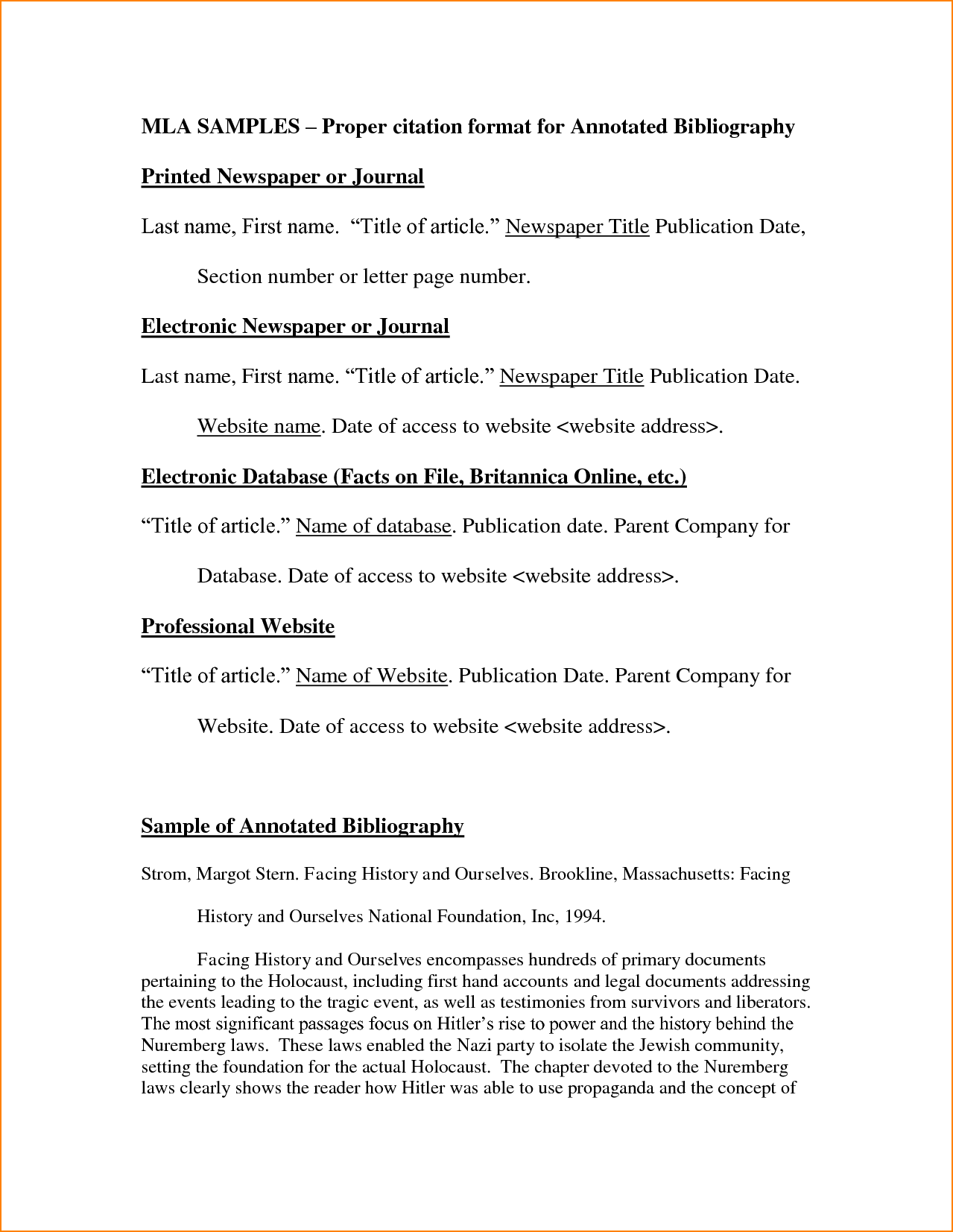

Creating an annotated bibliography is a crucial skill for students and researchers alike, as it helps in organizing and evaluating sources for academic papers. One of the most commonly used citation styles is the Modern Language Association (MLA) format. An MLA annotated bibliography template can be a lifesaver when it comes to formatting your references correctly and ensuring that your annotations are clear and concise. This guide will walk you through the process of creating an MLA annotated bibliography, from understanding the basics to crafting effective annotations.
Understanding MLA Format
The MLA format is widely used in the humanities, particularly in literature, language, and cultural studies. It provides a consistent way to cite sources, making it easier for readers to locate and verify the information. The MLA annotated bibliography template typically includes the following elements:
- Citation information
- Annotation
The citation information follows the standard MLA format, which includes the author’s name, title of the work, publication details, and other relevant information. The annotation is a brief summary or evaluation of the source, usually ranging from a few sentences to a paragraph.
Components of an MLA Annotated Bibliography
An MLA annotated bibliography consists of two main parts: the citation and the annotation. Let’s break down each component:
Citation
The citation follows the MLA format guidelines. Here is a basic structure for a book citation:
- Author’s Last Name, First Name. Title of the Book. Publisher, Publication Date.
For example:
- Smith, John. The Art of Writing. Academic Press, 2020.
For an article from a journal, the citation might look like this:
- Doe, Jane. “The Impact of Technology on Education.” Journal of Educational Research, vol. 15, no. 3, 2019, pp. 45-60.
Annotation
The annotation is a brief summary or evaluation of the source. It should provide enough information to help the reader understand the relevance and significance of the source. Annotations can be descriptive, evaluative, or a combination of both. Here are some key points to include in your annotation:
- Summary of the main points or arguments
- Evaluation of the source’s credibility and relevance
- Explanation of how the source will be used in your research
For example, an annotation for the book citation above might look like this:
Smith’s The Art of Writing provides a comprehensive overview of the writing process, from brainstorming to final draft. The book is particularly useful for students and educators, offering practical tips and exercises to improve writing skills. Smith’s approach is both theoretical and practical, making it a valuable resource for anyone interested in the art of writing.
Creating an MLA Annotated Bibliography Template
To create an MLA annotated bibliography template, you can follow these steps:
Step 1: Gather Your Sources
Before you start, make sure you have all the sources you need. This includes books, articles, websites, and any other relevant materials. Keep track of the publication details for each source, as you will need this information for your citations.
Step 2: Format Your Citations
Use the MLA format to create your citations. Make sure to include all the necessary information, such as the author’s name, title of the work, publication details, and any other relevant information. You can use citation generators or manual formatting to ensure accuracy.
Step 3: Write Your Annotations
For each source, write a brief annotation. Start with a summary of the main points or arguments, then evaluate the source’s credibility and relevance. Explain how the source will be used in your research and why it is important.
Step 4: Organize Your Bibliography
Organize your annotated bibliography in alphabetical order by the author’s last name. Make sure each entry is properly formatted and includes both the citation and the annotation.
Example of an MLA Annotated Bibliography
Here is an example of what an MLA annotated bibliography might look like:
| Citation | Annotation |
|---|---|
| Smith, John. The Art of Writing. Academic Press, 2020. | Smith's The Art of Writing provides a comprehensive overview of the writing process, from brainstorming to final draft. The book is particularly useful for students and educators, offering practical tips and exercises to improve writing skills. Smith's approach is both theoretical and practical, making it a valuable resource for anyone interested in the art of writing. |
| Doe, Jane. "The Impact of Technology on Education." Journal of Educational Research, vol. 15, no. 3, 2019, pp. 45-60. | Doe's article explores the ways in which technology has transformed education. The author discusses the benefits and challenges of integrating technology into the classroom, providing examples from various educational settings. This article is relevant for educators and researchers interested in the role of technology in modern education. |
📝 Note: Ensure that your annotations are concise and to the point. Avoid including unnecessary details that do not contribute to the understanding of the source.
Tips for Writing Effective Annotations
Writing effective annotations requires a clear understanding of the source and its relevance to your research. Here are some tips to help you craft compelling annotations:
Be Concise
Annotations should be brief but informative. Aim for a few sentences to a paragraph, depending on the complexity of the source. Focus on the key points and avoid unnecessary details.
Evaluate the Source
In addition to summarizing the main points, evaluate the source’s credibility and relevance. Consider the author’s qualifications, the publication’s reputation, and the source’s overall quality.
Explain the Relevance
Explain how the source will be used in your research. This helps the reader understand the significance of the source and how it contributes to your overall argument.
Use Clear Language
Write in clear and concise language. Avoid jargon and complex sentences that may confuse the reader. Make sure your annotations are easy to understand and follow.
Common Mistakes to Avoid
When creating an MLA annotated bibliography, it’s important to avoid common mistakes that can affect the quality and accuracy of your work. Here are some pitfalls to watch out for:
Incomplete Citations
Ensure that all citations include the necessary information. Missing details can make it difficult for readers to locate the source.
Inconsistent Formatting
Consistency is key in formatting. Make sure all citations follow the same style and format. Inconsistent formatting can make your bibliography look unprofessional.
Vague Annotations
Avoid writing vague or general annotations. Be specific about the source’s content and its relevance to your research. Vague annotations do not provide enough information for the reader.
Plagiarism
Always cite your sources accurately and avoid plagiarism. Ensure that your annotations are original and reflect your own understanding of the source.
📝 Note: Double-check your citations and annotations for accuracy. Use reliable sources and citation generators to ensure correctness.
Conclusion
Creating an MLA annotated bibliography is an essential skill for academic writing. By following the guidelines and tips outlined in this guide, you can craft a well-organized and informative annotated bibliography that enhances the credibility of your research. Remember to use an MLA annotated bibliography template to ensure consistency and accuracy in your citations and annotations. With practice and attention to detail, you can master the art of creating effective annotated bibliographies that support your academic endeavors.
Related Terms:
- mla format annotated bibliography generator
- mla annotated bibliography generator
- mla annotated bibliography sample paper
- annotated bibliography examples
- annotated bibliography citation generator mla
- mla annotated bibliography generator free