
Understanding the nuances of language is a critical aspect of literary analysis. One of the most fundamental concepts in this realm is the idea of Literary Terms Connotation. Connotation refers to the emotional, cultural, or individual associations that a word carries beyond its literal meaning. This concept is pivotal in literature as it allows authors to convey deeper meanings and evoke specific emotions in their readers. By exploring the connotations of words, readers can gain a richer understanding of the text and the author's intentions.
Understanding Connotation
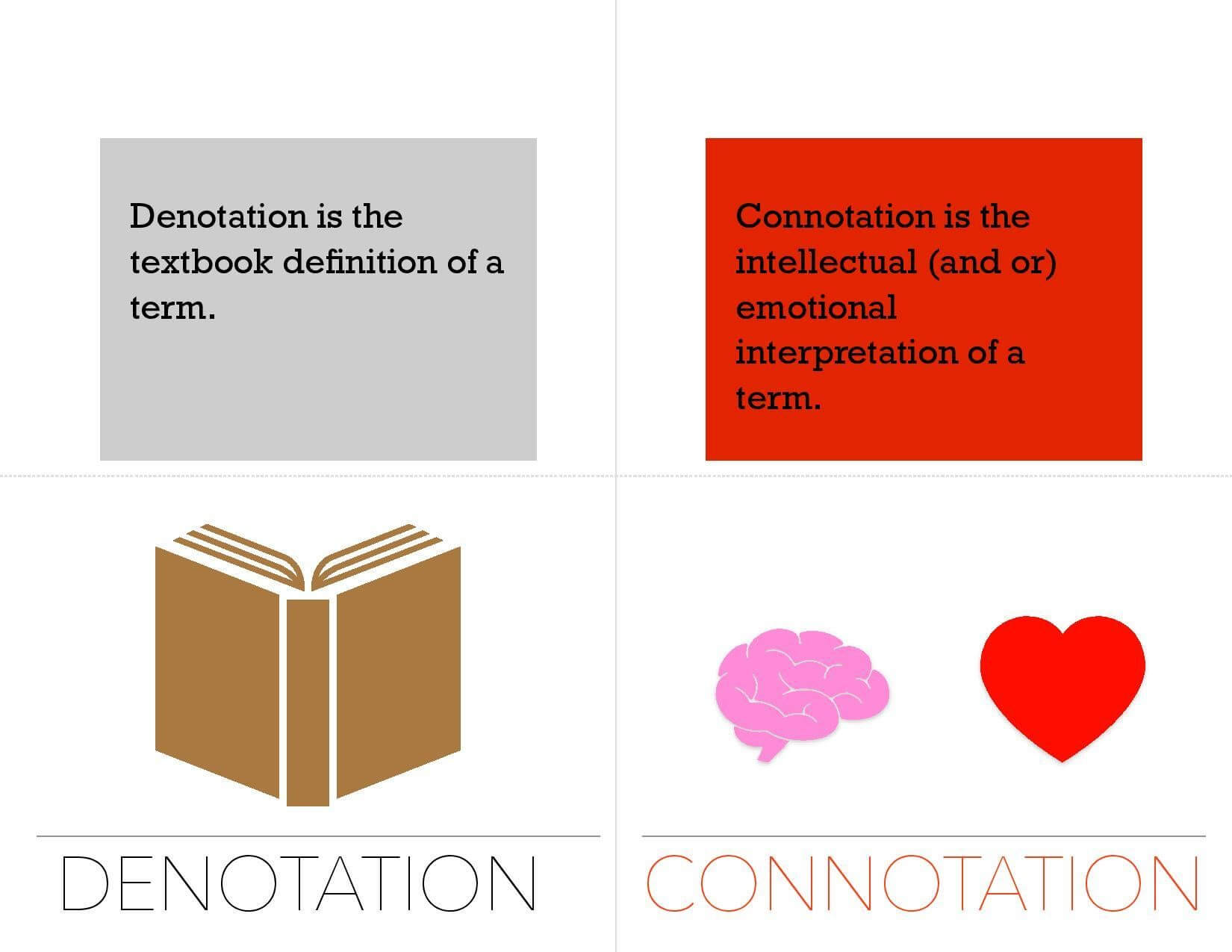
Connotation is the emotional or cultural significance that a word carries beyond its literal definition. For example, the word “home” has a literal meaning of a place where one lives, but it also carries connotations of warmth, comfort, and family. Understanding these connotations is essential for interpreting literature accurately.
Connotation vs. Denotation
To fully grasp the concept of connotation, it is helpful to understand its counterpart, denotation. Denotation refers to the literal or dictionary definition of a word. While denotation provides the basic meaning, connotation adds layers of emotional and cultural significance. For instance, the word “dog” denotes a domesticated animal, but its connotation can vary widely depending on cultural and personal experiences. Some people might associate dogs with loyalty and companionship, while others might associate them with fear or danger.
The Role of Connotation in Literature
In literature, authors often use connotation to enhance the emotional impact of their writing. By carefully selecting words with specific connotations, authors can create a more immersive and evocative reading experience. For example, in Shakespeare’s plays, the use of words with rich connotations helps to convey the complex emotions and relationships of the characters.
Examples of Connotation in Literature
Let’s explore some examples of connotation in literature to see how authors use this literary device to enrich their writing.
Example 1: “The Great Gatsby” by F. Scott Fitzgerald
In “The Great Gatsby,” Fitzgerald uses connotation to create a vivid portrait of the Roaring Twenties. The word “green” is used repeatedly to symbolize hope and the American Dream. The green light at the end of Daisy’s dock represents Gatsby’s unfulfilled dreams and aspirations. This connotation adds depth to the novel’s themes of wealth, love, and the pursuit of happiness.
Example 2: “To Kill a Mockingbird” by Harper Lee
In “To Kill a Mockingbird,” Harper Lee uses connotation to explore themes of racism and injustice. The word “mockingbird” itself carries connotations of innocence and purity. Atticus Finch’s advice to his children to “kill a mockingbird” symbolizes the destruction of innocence and the loss of moral integrity. This connotation underscores the novel’s central message about the importance of empathy and understanding.
Example 3: “1984” by George Orwell
In “1984,” George Orwell uses connotation to create a dystopian world where language is manipulated to control thought. The word “doublethink” carries connotations of deception and manipulation. It refers to the ability to hold two contradictory beliefs simultaneously and accept both of them. This connotation highlights the oppressive nature of the totalitarian regime and the loss of individual freedom.
Analyzing Connotation in Poetry
Poetry often relies heavily on connotation to convey complex emotions and ideas. Poets use words with rich connotations to create vivid imagery and evoke strong emotional responses. For example, in Emily Dickinson’s poetry, the use of words like “death” and “immortality” carries deep connotations of loss, hope, and the afterlife. These connotations add layers of meaning to her poems and make them more resonant with readers.
Connotation in Everyday Language
Connotation is not limited to literature; it plays a significant role in everyday language as well. Understanding the connotations of words can help us communicate more effectively and avoid misunderstandings. For example, the word “thin” has a neutral denotation, but it can carry negative connotations when used to describe a person’s body type. Similarly, the word “slim” has a more positive connotation and is often used to describe a desirable physique.
Connotation in Advertising
Advertisers often use connotation to create positive associations with their products. By choosing words with favorable connotations, advertisers can influence consumer perceptions and behaviors. For example, the word “natural” carries connotations of purity and health, making it a popular choice for food and beauty products. Similarly, the word “luxurious” carries connotations of elegance and sophistication, making it a common choice for high-end products.
Connotation in Politics
In politics, connotation is used to shape public opinion and influence voter behavior. Politicians often use words with specific connotations to frame issues and sway public sentiment. For example, the word “reform” carries connotations of progress and improvement, making it a popular choice for political campaigns. Similarly, the word “change” carries connotations of innovation and renewal, making it a powerful rallying cry for political movements.
Connotation in Media
In media, connotation is used to create engaging and memorable content. Journalists, filmmakers, and writers use words with rich connotations to capture the attention of their audience and convey complex ideas. For example, in news reporting, the word “crisis” carries connotations of urgency and danger, making it a powerful tool for grabbing headlines. Similarly, in film, the use of words with specific connotations can enhance the emotional impact of a scene and create a more immersive viewing experience.
Connotation in Education
In education, understanding connotation is essential for effective communication and critical thinking. Teachers often use words with specific connotations to convey complex ideas and engage students in meaningful discussions. For example, the word “democracy” carries connotations of freedom and equality, making it a powerful tool for teaching about government and society. Similarly, the word “justice” carries connotations of fairness and righteousness, making it a key concept in legal and ethical studies.
Connotation in Art
In art, connotation is used to create visual and emotional impact. Artists often use symbols and imagery with specific connotations to convey complex ideas and emotions. For example, the color red carries connotations of passion, danger, and intensity, making it a popular choice for artists seeking to evoke strong emotional responses. Similarly, the use of light and shadow can carry connotations of hope and despair, adding depth and complexity to a work of art.
Connotation in Music
In music, connotation is used to create emotional and lyrical impact. Songwriters often use words with specific connotations to convey complex emotions and ideas. For example, the word “love” carries connotations of warmth, intimacy, and devotion, making it a popular choice for romantic songs. Similarly, the word “heartache” carries connotations of pain and loss, making it a powerful tool for expressing emotional turmoil.
Connotation in Theater
In theater, connotation is used to create dramatic and emotional impact. Playwrights often use words with specific connotations to convey complex emotions and relationships. For example, the word “tragedy” carries connotations of loss and suffering, making it a powerful tool for exploring the human condition. Similarly, the word “comedy” carries connotations of humor and lightheartedness, making it a popular choice for entertaining audiences.
Connotation in Film
In film, connotation is used to create visual and emotional impact. Filmmakers often use words with specific connotations to convey complex ideas and emotions. For example, the word “hero” carries connotations of bravery and selflessness, making it a powerful tool for creating memorable characters. Similarly, the word “villain” carries connotations of evil and malice, making it a popular choice for creating antagonists.
Connotation in Television
In television, connotation is used to create engaging and memorable content. Writers and producers often use words with specific connotations to convey complex ideas and emotions. For example, the word “drama” carries connotations of tension and conflict, making it a popular choice for creating compelling storylines. Similarly, the word “comedy” carries connotations of humor and lightheartedness, making it a popular choice for entertaining audiences.
Connotation in Social Media
In social media, connotation is used to create engaging and shareable content. Users often use words with specific connotations to convey complex ideas and emotions. For example, the word “trending” carries connotations of popularity and relevance, making it a powerful tool for capturing attention. Similarly, the word “viral” carries connotations of rapid spread and influence, making it a popular choice for describing content that gains widespread attention.
Connotation in Marketing
In marketing, connotation is used to create positive associations with products and brands. Marketers often use words with specific connotations to convey complex ideas and emotions. For example, the word “premium” carries connotations of quality and exclusivity, making it a popular choice for high-end products. Similarly, the word “affordable” carries connotations of value and accessibility, making it a popular choice for budget-friendly products.
Connotation in Public Speaking
In public speaking, connotation is used to create engaging and persuasive presentations. Speakers often use words with specific connotations to convey complex ideas and emotions. For example, the word “inspiration” carries connotations of motivation and hope, making it a powerful tool for inspiring audiences. Similarly, the word “challenge” carries connotations of difficulty and opportunity, making it a popular choice for motivating listeners to take action.
Connotation in Writing
In writing, connotation is used to create vivid and engaging narratives. Authors often use words with specific connotations to convey complex emotions and ideas. For example, the word “adventure” carries connotations of excitement and discovery, making it a popular choice for creating engaging storylines. Similarly, the word “mystery” carries connotations of intrigue and suspense, making it a powerful tool for keeping readers engaged.
Connotation in Journalism
In journalism, connotation is used to create compelling and informative content. Journalists often use words with specific connotations to convey complex ideas and emotions. For example, the word “breaking” carries connotations of urgency and importance, making it a powerful tool for capturing headlines. Similarly, the word “exclusive” carries connotations of uniqueness and value, making it a popular choice for attracting readers.
Connotation in Academic Writing
In academic writing, connotation is used to create precise and scholarly content. Scholars often use words with specific connotations to convey complex ideas and arguments. For example, the word “theory” carries connotations of explanation and understanding, making it a key concept in academic research. Similarly, the word “hypothesis” carries connotations of speculation and testing, making it a popular choice for scientific inquiry.
Connotation in Technical Writing
In technical writing, connotation is used to create clear and concise content. Technical writers often use words with specific connotations to convey complex ideas and instructions. For example, the word “protocol” carries connotations of procedure and standardization, making it a key concept in technical documentation. Similarly, the word “algorithm” carries connotations of logic and efficiency, making it a popular choice for describing computational processes.
Connotation in Creative Writing
In creative writing, connotation is used to create vivid and imaginative narratives. Authors often use words with specific connotations to convey complex emotions and ideas. For example, the word “fantasy” carries connotations of imagination and escape, making it a popular choice for creating magical worlds. Similarly, the word “horror” carries connotations of fear and suspense, making it a powerful tool for creating chilling stories.
Connotation in Non-Fiction Writing
In non-fiction writing, connotation is used to create informative and engaging content. Authors often use words with specific connotations to convey complex ideas and arguments. For example, the word “biography” carries connotations of life and personal history, making it a popular choice for telling the stories of notable individuals. Similarly, the word “history” carries connotations of past events and cultural heritage, making it a key concept in historical writing.
Connotation in Business Writing
In business writing, connotation is used to create clear and persuasive content. Business writers often use words with specific connotations to convey complex ideas and arguments. For example, the word “strategy” carries connotations of planning and execution, making it a key concept in business planning. Similarly, the word “innovation” carries connotations of creativity and progress, making it a popular choice for describing new ideas and initiatives.
Connotation in Legal Writing
In legal writing, connotation is used to create precise and authoritative content. Legal writers often use words with specific connotations to convey complex ideas and arguments. For example, the word “justice” carries connotations of fairness and righteousness, making it a key concept in legal discourse. Similarly, the word “precedent” carries connotations of authority and tradition, making it a popular choice for describing legal principles.
Connotation in Scientific Writing
In scientific writing, connotation is used to create clear and objective content. Scientists often use words with specific connotations to convey complex ideas and findings. For example, the word “hypothesis” carries connotations of speculation and testing, making it a key concept in scientific research. Similarly, the word “data” carries connotations of information and evidence, making it a popular choice for describing research findings.
Connotation in Medical Writing
In medical writing, connotation is used to create precise and informative content. Medical writers often use words with specific connotations to convey complex ideas and information. For example, the word “diagnosis” carries connotations of identification and understanding, making it a key concept in medical practice. Similarly, the word “treatment” carries connotations of care and intervention, making it a popular choice for describing medical procedures.
Connotation in Environmental Writing
In environmental writing, connotation is used to create engaging and informative content. Environmental writers often use words with specific connotations to convey complex ideas and arguments. For example, the word “sustainability” carries connotations of longevity and responsibility, making it a key concept in environmental discourse. Similarly, the word “conservation” carries connotations of preservation and protection, making it a popular choice for describing environmental initiatives.
Connotation in Travel Writing
In travel writing, connotation is used to create vivid and immersive narratives. Travel writers often use words with specific connotations to convey complex emotions and experiences. For example, the word “adventure” carries connotations of excitement and discovery, making it a popular choice for describing travel experiences. Similarly, the word “exotic” carries connotations of uniqueness and allure, making it a powerful tool for capturing the essence of distant lands.
Connotation in Food Writing
In food writing, connotation is used to create appetizing and engaging content. Food writers often use words with specific connotations to convey complex flavors and experiences. For example, the word “gourmet” carries connotations of sophistication and quality, making it a popular choice for describing high-end dining. Similarly, the word “comfort” carries connotations of warmth and familiarity, making it a popular choice for describing home-cooked meals.
Connotation in Fashion Writing
In fashion writing, connotation is used to create stylish and engaging content. Fashion writers often use words with specific connotations to convey complex ideas and trends. For example, the word “chic” carries connotations of elegance and sophistication, making it a popular choice for describing fashionable styles. Similarly, the word “trendy” carries connotations of modernity and popularity, making it a popular choice for describing current fashion trends.
Connotation in Technology Writing
In technology writing, connotation is used to create clear and informative content. Technology writers often use words with specific connotations to convey complex ideas and innovations. For example, the word “innovation” carries connotations of creativity and progress, making it a key concept in technology discourse. Similarly, the word “revolutionary” carries connotations of groundbreaking and transformative, making it a popular choice for describing new technologies.
Connotation in Sports Writing
In sports writing, connotation is used to create exciting and engaging content. Sports writers often use words with specific connotations to convey complex emotions and experiences. For example, the word “victory” carries connotations of triumph and achievement, making it a popular choice for describing successful outcomes. Similarly, the word “challenge” carries connotations of difficulty and opportunity, making it a powerful tool for describing competitive events.
Connotation in Art Criticism
In art criticism, connotation is used to create insightful and engaging content. Art critics often use words with specific connotations to convey complex ideas and interpretations. For example, the word “masterpiece” carries connotations of excellence and significance, making it a popular choice for describing notable works of art. Similarly, the word “innovative” carries connotations of creativity and originality, making it a powerful tool for describing groundbreaking art.
Connotation in Music Criticism
In music criticism, connotation is used to create engaging and insightful content. Music critics often use words with specific connotations to convey complex emotions and interpretations. For example, the word “melodic” carries connotations of harmony and beauty, making it a popular choice for describing pleasing music. Similarly, the word “rhythmic” carries connotations of energy and movement, making it a powerful tool for describing dynamic music.
Connotation in Film Criticism
In film criticism, connotation is used to create engaging and insightful content. Film critics often use words with specific connotations to convey complex ideas and interpretations. For example, the word “cinematic” carries connotations of visual and emotional impact, making it a popular choice for describing memorable films. Similarly, the word “narrative” carries connotations of storytelling and structure, making it a key concept in film analysis.
Connotation in Theater Criticism
In theater criticism, connotation is used to create engaging and insightful content. Theater critics often use words with specific connotations to convey complex ideas and interpretations. For example, the word “dramatic” carries connotations of tension and emotion, making it a popular choice for describing compelling performances. Similarly, the word “theatrical” carries connotations of spectacle and performance, making it a powerful tool for describing stage productions.
Connotation in Television Criticism
In television criticism, connotation is used to create engaging and insightful content. Television critics often use words with specific connotations to convey complex ideas and interpretations. For example, the word “binge-worthy” carries connotations of addictive and engaging, making it a popular choice for describing compelling TV shows. Similarly, the word “drama” carries connotations of tension and conflict, making it a key concept in television analysis.
Connotation in Social Media Criticism
In social media criticism, connotation is used to create engaging and insightful content. Social media critics often use words with specific connotations to convey complex ideas and interpretations. For example, the word “v
Related Terms:
- connotation literary device example
- literary connotation definition
- connotation literary devices
- examples of connotation in literature
- connotation literary term
- connotation literary definition simple