
In today's digital age, introducing children to coding at an early age can open up a world of opportunities. Kids coding languages are designed to be fun, engaging, and educational, making it easier for young minds to grasp the fundamentals of programming. This blog post will explore the benefits of teaching kids to code, the best kids coding languages available, and how to get started with coding for children.
Benefits of Teaching Kids to Code
Teaching children to code offers numerous benefits that extend beyond just learning a new skill. Here are some of the key advantages:
- Enhances Problem-Solving Skills: Coding helps children develop critical thinking and problem-solving abilities. They learn to break down complex problems into smaller, manageable parts and find creative solutions.
- Improves Logical Thinking: Programming requires logical reasoning and sequential thinking. Kids learn to think step-by-step, which can improve their performance in other subjects like mathematics and science.
- Boosts Creativity: Coding allows children to create their own games, animations, and applications. This creative outlet can foster innovation and imagination.
- Prepares for the Future: In an increasingly digital world, coding is a valuable skill that can open up career opportunities in various fields, from software development to data science.
- Encourages Persistence: Coding often involves trial and error. Children learn to persevere through challenges and not give up when faced with difficulties.
Popular Kids Coding Languages
There are several kids coding languages designed to be easy and fun for children to learn. Here are some of the most popular ones:
Scratch
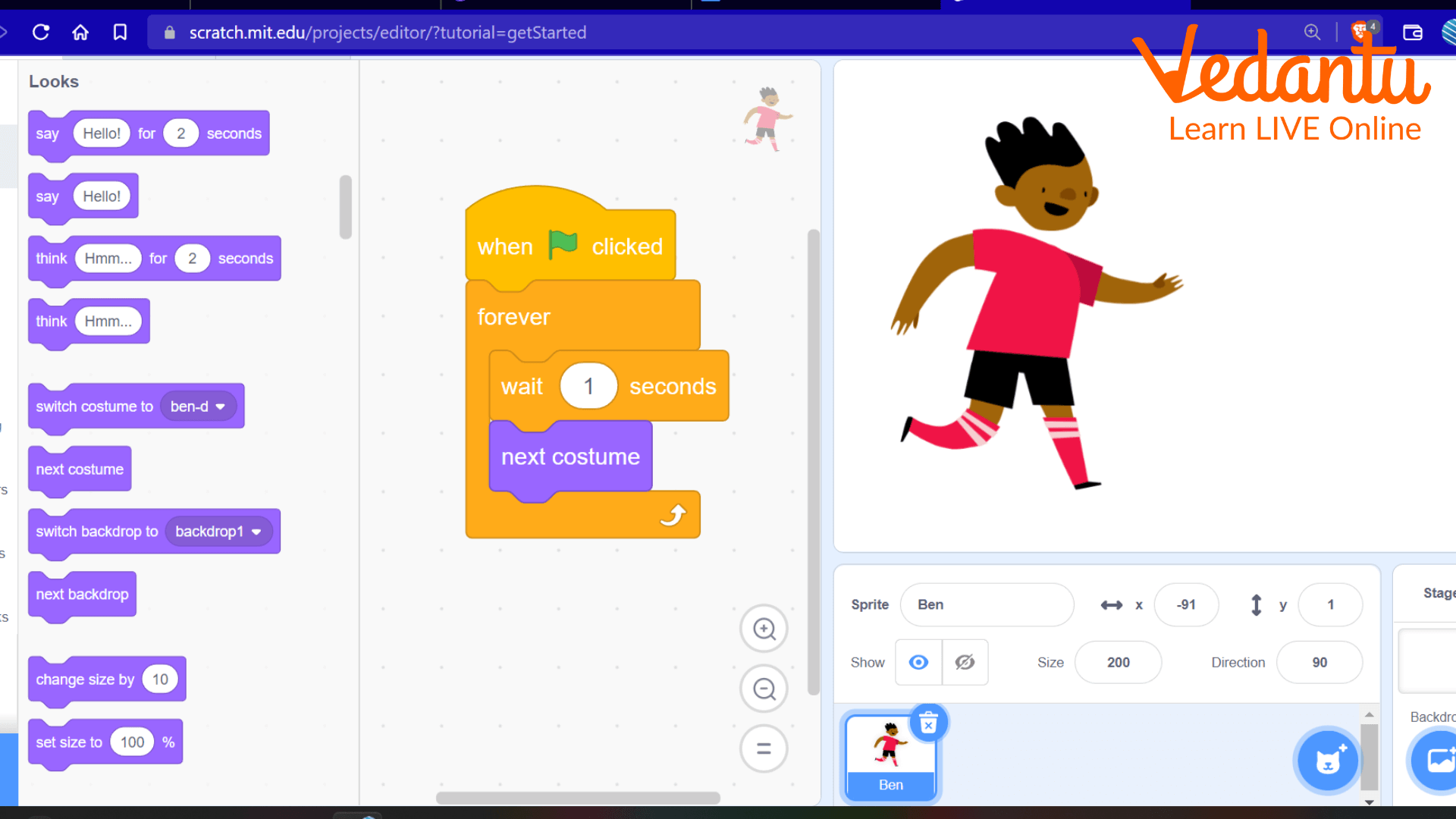
Scratch is a visual programming language developed by MIT. It uses a drag-and-drop interface with colorful blocks, making it ideal for kids aged 8-16. Scratch allows children to create interactive stories, games, and animations. It's a great starting point for beginners as it requires no prior coding experience.
Blockly
Blockly is another visual programming language that uses blocks to represent code. It's designed to be simple and intuitive, making it suitable for kids aged 6-12. Blockly is often used in educational settings and can be integrated into various learning platforms.
Python
Python is a text-based programming language known for its simplicity and readability. It's widely used in the industry and is a great language for kids to learn as they get older. Python can be used to create a wide range of applications, from web development to data analysis. There are many resources and tutorials available for teaching Python to kids.
JavaScript
JavaScript is the language of the web. It's used to create interactive and dynamic web pages. JavaScript can be a bit more challenging for younger kids, but there are many kid-friendly resources and platforms that make learning JavaScript fun and engaging.
Tynker
Tynker is an online platform that offers a variety of coding courses for kids. It uses a visual programming language similar to Scratch and also introduces text-based coding languages like Python and JavaScript. Tynker provides a structured learning path with interactive lessons and projects.
Getting Started with Kids Coding
If you're ready to introduce your child to coding, here are some steps to get started:
Choose the Right Language
Select a kids coding language that is age-appropriate and aligns with your child's interests. For younger kids, visual programming languages like Scratch or Blockly are a good starting point. For older kids, text-based languages like Python or JavaScript can be more engaging.
Find Educational Resources
There are many online resources and platforms that offer coding lessons for kids. Some popular options include:
- Code.org: A non-profit organization that offers free coding lessons and activities for kids of all ages.
- Khan Academy: Provides interactive coding courses and tutorials for kids and adults.
- Tynker: An online platform with structured coding courses and projects for kids.
- Scratch: The official website offers a community of creators, tutorials, and projects to inspire and educate.
Make It Fun and Engaging
Coding should be a fun and enjoyable experience for kids. Encourage them to create projects that interest them, whether it's a game, animation, or interactive story. Celebrate their achievements and provide support when they encounter challenges.
Join a Coding Club or Workshop
Joining a coding club or attending workshops can provide additional support and motivation for kids. These groups offer a collaborative learning environment where kids can share ideas, work on projects together, and learn from each other.
Coding Projects for Kids
Here are some fun and educational coding projects that kids can work on:
Create a Simple Game
Using a visual programming language like Scratch, kids can create their own simple games. They can design characters, create levels, and add interactive elements. This project helps kids understand the basics of game development and logic.
Build an Interactive Story
Kids can use Scratch or Blockly to create an interactive story. They can design characters, write dialogue, and add animations. This project encourages creativity and storytelling skills.
Develop a Web Page
For older kids, creating a simple web page using HTML and CSS can be a rewarding project. They can learn the basics of web development and design their own website. Adding JavaScript can make the web page interactive and dynamic.
Program a Robot
Some coding platforms offer the ability to program robots. Kids can learn to control a robot's movements, sensors, and actions using code. This hands-on experience can make coding more engaging and tangible.
Challenges and Solutions
Teaching kids to code can come with its own set of challenges. Here are some common issues and solutions:
Lack of Interest
If your child is not interested in coding, try to find a project or activity that aligns with their interests. For example, if they love animals, they might enjoy creating an interactive story about animals. Making coding relevant to their passions can increase their engagement.
Frustration with Difficulty
Coding can be frustrating, especially when things don't work as expected. Encourage your child to take breaks and come back to the problem with a fresh perspective. Remind them that making mistakes is a normal part of the learning process.
Limited Resources
If you don't have access to expensive coding tools or platforms, there are many free resources available online. Websites like Code.org and Khan Academy offer free coding lessons and activities for kids.
💡 Note: Remember that every child learns at their own pace. Be patient and supportive, and celebrate their progress, no matter how small.
Success Stories
Many kids have achieved remarkable success through coding. Here are a few inspiring stories:
Sabrina Gonzalez Pasterski
Sabrina Gonzalez Pasterski is a young physicist and engineer who started coding at a young age. She has made significant contributions to the field of theoretical physics and has been recognized as one of the most promising young scientists in the world.
Julian Lute
Julian Lute is a young entrepreneur who started coding at the age of 10. He created a popular app called "Bubble Ball" and has since gone on to develop other successful apps and games. Julian's story shows how early exposure to coding can lead to entrepreneurial success.
Sofia Valdez
Sofia Valdez is a young girl who used coding to create a solution for a local problem. She developed an app that helps people find recycling centers in their area. Sofia's story demonstrates how coding can be used to make a positive impact on the community.
These success stories highlight the potential of kids coding languages to inspire and empower young minds. By introducing children to coding at an early age, we can help them develop valuable skills and foster a love for technology and innovation.
In conclusion, teaching kids to code offers numerous benefits, from enhancing problem-solving skills to preparing them for future career opportunities. With the right resources and support, children can learn to code in a fun and engaging way. Whether they choose to pursue a career in technology or not, the skills they gain from coding will serve them well in any field. The world of kids coding languages is vast and exciting, and there’s no better time to get started than now.
Related Terms:
- computer programming languages for kids
- basic coding language for kids
- best programming languages for kids
- programming languages for kids free
- best coding languages for kids
- easiest coding language for kids