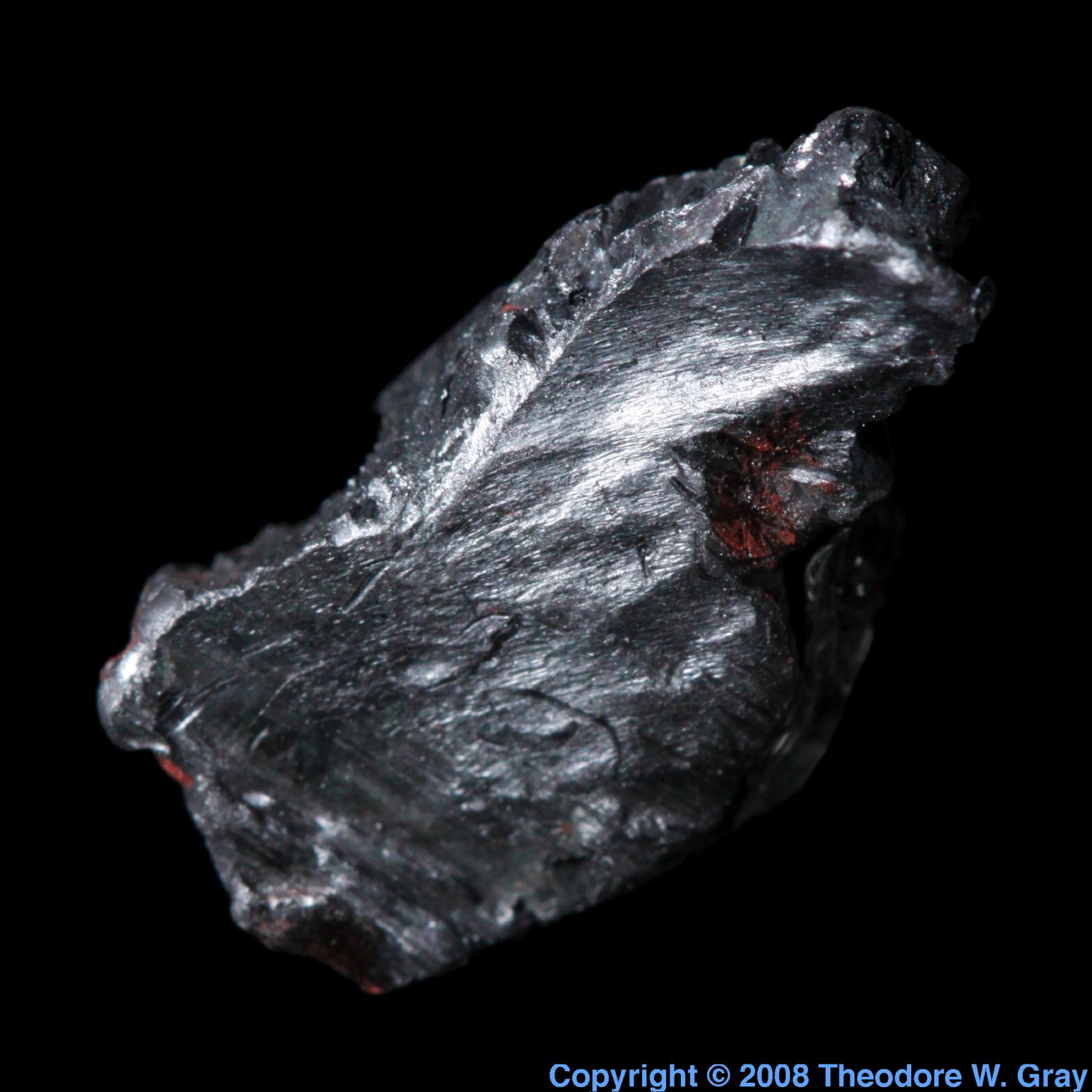

Phosphorus is a fascinating element with a rich history and a wide range of applications. One of the most common questions about phosphorus is whether it is a metal. This question is not as straightforward as it might seem, as phosphorus exhibits properties that are unique and distinct from typical metals. In this blog post, we will delve into the nature of phosphorus, its properties, and address the question: Is Phosphorus Metal?
Understanding Phosphorus
Phosphorus is a chemical element with the symbol P and atomic number 15. It is a nonmetal that is essential for life and plays a crucial role in various biological processes. Phosphorus was first isolated in 1669 by the German alchemist Hennig Brand, who discovered it while attempting to create the philosopher's stone. Since then, phosphorus has been extensively studied and utilized in numerous fields, including agriculture, industry, and medicine.
Properties of Phosphorus
To determine whether phosphorus is a metal, it is essential to understand its properties. Phosphorus exists in several allotropic forms, each with distinct characteristics. The most common allotropes are white phosphorus, red phosphorus, and black phosphorus. Each of these forms has unique physical and chemical properties.
White Phosphorus
White phosphorus is the most reactive and dangerous form of phosphorus. It is a waxy, white, or yellowish solid that glows in the dark and is highly flammable. White phosphorus is also toxic and can cause severe burns if handled improperly. Its high reactivity makes it unsuitable for many applications, but it is used in military incendiary devices and in the production of certain chemicals.
Red Phosphorus
Red phosphorus is a more stable form of phosphorus, often used in safety matches and fireworks. It is less reactive than white phosphorus and does not glow in the dark. Red phosphorus is produced by heating white phosphorus in the absence of air. This process converts the white phosphorus into a more stable, less reactive form.
Black Phosphorus
Black phosphorus is the least reactive and most stable form of phosphorus. It has a layered structure similar to graphite and is a semiconductor. Black phosphorus is used in electronic devices and has potential applications in optoelectronics and energy storage. Its unique properties make it a subject of ongoing research in materials science.
Is Phosphorus Metal?
To answer the question Is Phosphorus Metal?, we need to consider the defining characteristics of metals. Metals are typically characterized by their ability to conduct electricity and heat, their malleability, and their luster. Phosphorus, in any of its allotropic forms, does not exhibit these properties. Instead, it is a nonmetal with distinct chemical and physical characteristics.
Phosphorus is a poor conductor of electricity and heat, and it is not malleable or ductile. It does not have the characteristic luster of metals and is often described as waxy or powdery. These properties clearly distinguish phosphorus from metals.
Applications of Phosphorus
Despite not being a metal, phosphorus has numerous important applications. Its unique properties make it valuable in various industries. Some of the key applications of phosphorus include:
- Fertilizers: Phosphorus is a essential component of fertilizers, where it is used to promote plant growth and development.
- Detergents: Phosphorus compounds are used in detergents to soften water and enhance cleaning effectiveness.
- Food Additives: Phosphorus is used as a food additive to improve texture and extend shelf life.
- Match Production: Red phosphorus is used in the production of safety matches.
- Electronics: Black phosphorus is used in electronic devices due to its semiconducting properties.
Phosphorus in Biology
Phosphorus plays a critical role in biological systems. It is a key component of DNA, RNA, and ATP (adenosine triphosphate), which is the primary energy carrier in cells. Phosphorus is also essential for the structure and function of cell membranes and bones. In the human body, phosphorus is found in teeth and bones, where it contributes to their strength and rigidity.
Phosphorus is obtained through the diet, primarily from foods rich in protein, such as meat, poultry, fish, eggs, and dairy products. It is also found in plant-based foods like nuts, seeds, and legumes. Adequate phosphorus intake is crucial for maintaining overall health and well-being.
Environmental Impact of Phosphorus
While phosphorus is essential for life, its excessive use in agriculture and industry can have significant environmental impacts. Phosphorus runoff from fertilizers can lead to eutrophication, a process where excessive nutrients in water bodies promote the growth of algae and other aquatic plants. This can deplete oxygen levels, leading to the death of fish and other aquatic organisms.
To mitigate the environmental impact of phosphorus, it is important to use it responsibly and implement sustainable practices. This includes optimizing fertilizer application rates, promoting the use of phosphorus-efficient crops, and implementing wastewater treatment technologies that reduce phosphorus discharge into water bodies.
Safety and Handling of Phosphorus
Phosphorus, particularly white phosphorus, is highly reactive and toxic. Handling phosphorus requires careful precautions to prevent accidents and ensure safety. Some key safety measures include:
- Wearing appropriate personal protective equipment (PPE), including gloves, safety glasses, and lab coats.
- Working in a well-ventilated area to prevent the accumulation of toxic fumes.
- Storing phosphorus in a cool, dry place away from sources of ignition.
- Disposing of phosphorus waste according to local regulations and guidelines.
In case of accidental exposure to phosphorus, seek immediate medical attention. Symptoms of phosphorus poisoning may include nausea, vomiting, abdominal pain, and respiratory distress.
🛑 Note: Always follow safety protocols and guidelines when handling phosphorus to prevent accidents and ensure safety.
Future of Phosphorus Research
Research on phosphorus continues to uncover new applications and properties. Scientists are exploring the use of phosphorus in advanced materials, energy storage, and optoelectronics. The unique properties of black phosphorus, in particular, make it a promising material for future technologies.
Ongoing research aims to develop more efficient and sustainable methods for phosphorus extraction and utilization. This includes exploring alternative sources of phosphorus, such as recycled materials and waste streams, and developing technologies that reduce the environmental impact of phosphorus use.
As our understanding of phosphorus continues to grow, so too will its applications and importance in various fields. The future of phosphorus research holds great promise for innovation and discovery.
Phosphorus is a versatile and essential element with a wide range of applications. While it is not a metal, its unique properties make it valuable in numerous industries and biological systems. Understanding the nature of phosphorus and its properties is crucial for responsible use and sustainable practices. By continuing to explore and innovate, we can harness the full potential of phosphorus for the benefit of society and the environment.
Related Terms:
- is phosphorus a solid
- what does phosphorus exist as
- is phosphorus a nonmetal
- is phosphorus metal or nonmetal
- what does phosphorus mean
- is p metal or nonmetal