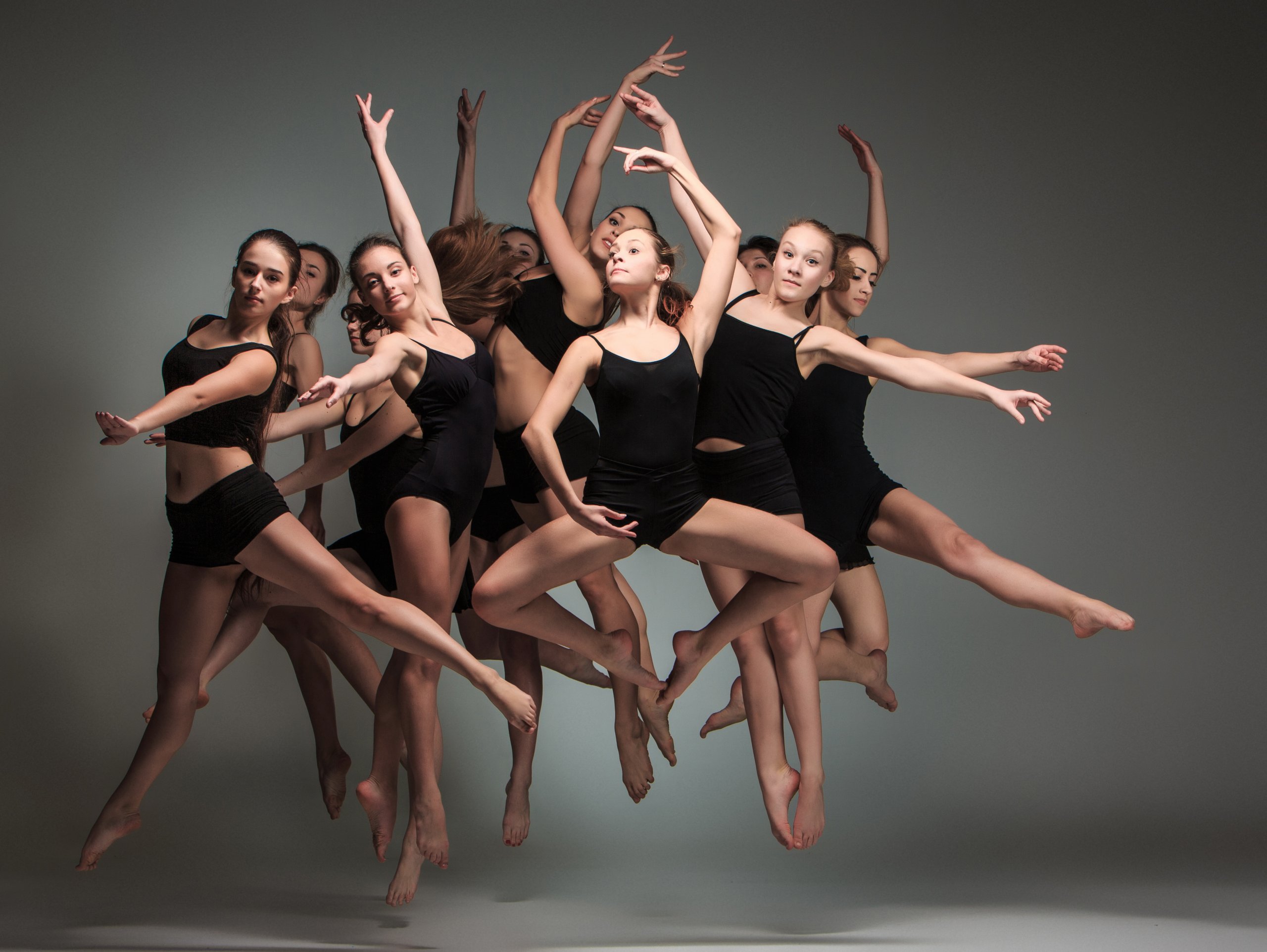

Dance has long been a subject of debate when it comes to its classification as a sport. The question "Is dance a sport?" often arises in discussions about physical activity, competition, and athletic prowess. To understand this debate, it's essential to delve into the definitions of both dance and sport, and explore the arguments from both sides.
Understanding Dance and Sport
Dance is an art form that combines movement, rhythm, and expression. It encompasses a wide range of styles, from ballet and contemporary to hip-hop and ballroom. Dance requires discipline, technique, and a deep understanding of the body's capabilities. It is often performed on stage, in competitions, or as part of cultural celebrations.
On the other hand, a sport is typically defined as an activity involving physical exertion and skill, often governed by rules and regulations, and often involving competition. Sports can range from individual pursuits like swimming or track and field to team sports like soccer or basketball. The key elements of a sport usually include physical fitness, strategy, and the pursuit of victory.
Arguments for Dance as a Sport
Proponents of dance as a sport argue that it meets many of the criteria that define a sport. Here are some of the key points:
- Physical Exertion: Dance requires a high level of physical fitness and endurance. Dancers often train for hours each day, pushing their bodies to the limit. The physical demands of dance can be as intense as those of traditional sports.
- Skill and Technique: Dance involves a high level of skill and technique. Dancers must master complex movements, sequences, and routines, often requiring years of practice and dedication.
- Competition: Many forms of dance, such as competitive ballroom and hip-hop, involve direct competition. Dancers compete against each other for prizes, recognition, and titles, much like athletes in traditional sports.
- Injury Risk: Dancers are susceptible to injuries similar to those in sports, including sprains, strains, and fractures. The physical demands and high-risk movements in dance can lead to serious injuries.
- Training and Discipline: Dance training is rigorous and disciplined, often involving intense practice schedules, diet plans, and physical conditioning. This level of commitment is comparable to that of athletes in traditional sports.
Arguments Against Dance as a Sport
Opponents of dance as a sport argue that it lacks certain key elements that define a sport. Here are some of the counterpoints:
- Artistic Expression: Dance is primarily an art form, focusing on creativity, emotion, and aesthetic appeal. The artistic nature of dance sets it apart from sports, which are more focused on physical competition and victory.
- Lack of Standardized Rules: Unlike traditional sports, dance does not have a standardized set of rules that apply universally. Different dance styles have their own guidelines and criteria, making it difficult to classify dance as a single sport.
- Subjectivity in Judging: In dance competitions, judging can be highly subjective, based on personal preferences and artistic interpretations. This subjectivity contrasts with the more objective scoring systems used in many sports.
- Cultural and Social Aspects: Dance often plays a significant role in cultural and social events, serving as a means of expression and celebration. This cultural dimension is not typically associated with sports, which are more focused on physical competition.
Comparative Analysis
To further understand the debate, let's compare dance and traditional sports across several key dimensions:
| Dimension | Dance | Traditional Sports |
|---|---|---|
| Physical Exertion | High | High |
| Skill and Technique | High | High |
| Competition | Yes, in some forms | Yes |
| Injury Risk | High | High |
| Training and Discipline | High | High |
| Artistic Expression | High | Low |
| Standardized Rules | Varies by style | Yes |
| Judging Criteria | Subjective | Objective |
| Cultural and Social Aspects | High | Low |
As seen in the table, dance and traditional sports share many similarities, particularly in terms of physical exertion, skill, and competition. However, dance's emphasis on artistic expression and cultural significance sets it apart from traditional sports.
Case Studies and Examples
To illustrate the debate further, let's examine a few case studies and examples:
- Olympic Recognition: The inclusion of dance in the Olympics has been a contentious issue. While rhythmic gymnastics and synchronized swimming, which involve dance-like movements, are recognized as Olympic sports, dance itself has not been included. This omission highlights the debate over whether dance should be classified as a sport.
- Professional Dance Competitions: Competitions like the World DanceSport Federation (WDSF) and the International Dance Organization (IDO) showcase the competitive nature of dance. These events feature rigorous judging criteria and high levels of physical and technical skill, similar to traditional sports competitions.
- Dance in Education: Many educational institutions offer dance programs as part of their physical education curricula. This inclusion suggests that dance is recognized as a form of physical activity that contributes to overall fitness and well-being, similar to traditional sports.
📝 Note: The debate over whether dance is a sport is complex and multifaceted, with valid arguments on both sides. Ultimately, the classification of dance as a sport may depend on individual perspectives and the specific context in which dance is being considered.
In conclusion, the question “Is dance a sport?” does not have a straightforward answer. Dance shares many characteristics with traditional sports, including physical exertion, skill, and competition. However, its emphasis on artistic expression and cultural significance sets it apart. Whether dance is considered a sport may ultimately depend on personal perspectives and the specific context in which dance is being evaluated. The debate highlights the unique nature of dance as both an art form and a physical activity, deserving of recognition and appreciation in its own right.
Related Terms:
- dance is not a sport
- is ballet a sport
- why is dance a sport
- is gymnastics a sport
- is dance a sport article
- is competitive dance a sport