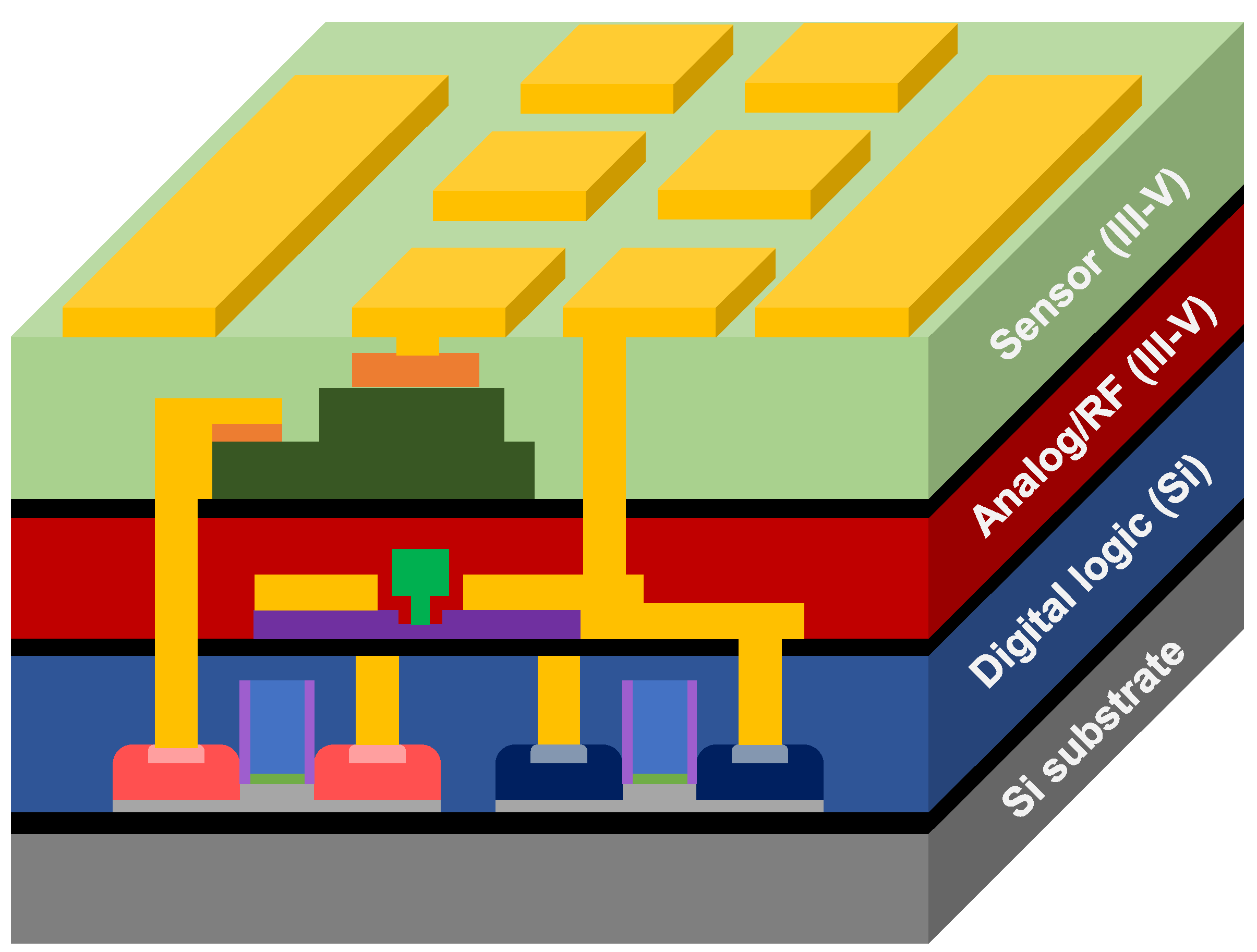

Integrated Circuit Design (ICD) is a critical field in modern electronics, driving innovation in everything from smartphones to autonomous vehicles. This intricate process involves creating complex electronic circuits on a single semiconductor chip, enabling the development of powerful and efficient devices. Understanding the fundamentals of Integrated Circuit Design is essential for anyone looking to delve into the world of electronics and semiconductor technology.
Understanding Integrated Circuit Design
Integrated Circuit Design encompasses the entire process of creating an integrated circuit, from conceptualization to fabrication. This process involves several key stages, each requiring specialized knowledge and tools. The primary goal of ICD is to design circuits that are not only functional but also efficient in terms of power consumption, size, and performance.
Key Stages of Integrated Circuit Design
Integrated Circuit Design can be broken down into several key stages, each with its own set of challenges and requirements. These stages include:
- Conceptual Design: This is the initial phase where the overall architecture of the circuit is defined. Engineers determine the functionality, performance requirements, and constraints of the circuit.
- Schematic Capture: In this stage, the circuit is designed using schematic capture tools. These tools allow engineers to create a visual representation of the circuit, including all components and their interconnections.
- Simulation: Before moving to the fabrication stage, the circuit is simulated to ensure it meets the desired specifications. Simulation tools help identify and rectify any potential issues in the design.
- Layout Design: This stage involves creating the physical layout of the circuit on the semiconductor chip. Layout design tools are used to place and route the components, ensuring that the circuit meets the required performance and power consumption criteria.
- Verification: The layout is verified to ensure it matches the schematic design and meets all design rules. This step is crucial for identifying any layout errors that could affect the circuit's functionality.
- Fabrication: Once the design is verified, it is sent to a fabrication facility where the circuit is manufactured on a semiconductor wafer. This process involves several steps, including photolithography, etching, and doping.
- Testing: After fabrication, the integrated circuits are tested to ensure they function as intended. Testing involves various methods, including functional testing, parametric testing, and reliability testing.
Tools and Technologies in Integrated Circuit Design
Integrated Circuit Design relies on a variety of tools and technologies to ensure the creation of high-quality circuits. Some of the most commonly used tools include:
- Schematic Capture Tools: These tools allow engineers to create and edit circuit schematics. Examples include Cadence Virtuoso and Mentor Graphics Design Architect.
- Simulation Tools: Simulation tools are used to analyze the behavior of the circuit under various conditions. Popular simulation tools include SPICE (Simulation Program with Integrated Circuit Emphasis) and HSPICE.
- Layout Design Tools: These tools help in creating the physical layout of the circuit. Examples include Cadence Virtuoso Layout Suite and Synopsys IC Compiler.
- Verification Tools: Verification tools ensure that the layout matches the schematic design and adheres to design rules. Examples include Calibre and Assura.
In addition to these tools, Integrated Circuit Design also involves the use of advanced technologies such as:
- FinFET Technology: This technology uses a three-dimensional structure to improve the performance and power efficiency of integrated circuits.
- 3D Integration: This involves stacking multiple layers of circuits to increase the density and performance of integrated circuits.
- Advanced Packaging: Techniques such as System-in-Package (SiP) and Chip-on-Wafer-on-Substrate (CoWoS) are used to integrate multiple chips into a single package, enhancing performance and reducing size.
Challenges in Integrated Circuit Design
Integrated Circuit Design is a complex and challenging field, with several obstacles that engineers must overcome. Some of the key challenges include:
- Power Consumption: As circuits become more complex, managing power consumption becomes increasingly important. Engineers must design circuits that are energy-efficient to extend battery life and reduce heat generation.
- Heat Dissipation: High-performance circuits generate significant heat, which can affect their reliability and performance. Effective heat dissipation techniques are essential to ensure the circuit operates within safe temperature limits.
- Miniaturization: The demand for smaller and more compact devices requires engineers to design circuits that are highly integrated and efficient. This involves optimizing the layout and reducing the size of individual components.
- Complexity: Modern integrated circuits contain billions of transistors, making the design process extremely complex. Engineers must use advanced tools and techniques to manage this complexity and ensure the circuit functions as intended.
To address these challenges, engineers employ various strategies and techniques, including:
- Power Management: Implementing power management techniques such as dynamic voltage and frequency scaling (DVFS) to optimize power consumption.
- Thermal Management: Using advanced thermal management techniques such as heat sinks, thermal interfaces, and liquid cooling to dissipate heat effectively.
- Advanced Materials: Utilizing new materials such as graphene and carbon nanotubes to improve the performance and efficiency of integrated circuits.
- Design Automation: Employing design automation tools to streamline the design process and reduce the complexity of managing large-scale circuits.
Emerging Trends in Integrated Circuit Design
Integrated Circuit Design is a rapidly evolving field, with new trends and technologies emerging constantly. Some of the key trends shaping the future of ICD include:
- Artificial Intelligence and Machine Learning: AI and ML are being integrated into the design process to automate tasks, optimize performance, and improve the accuracy of simulations.
- Quantum Computing: Quantum computing holds the potential to revolutionize Integrated Circuit Design by enabling the creation of circuits that can perform complex calculations at unprecedented speeds.
- Internet of Things (IoT): The growing demand for IoT devices is driving the need for low-power, high-performance integrated circuits that can operate in resource-constrained environments.
- 5G Technology: The rollout of 5G networks requires advanced integrated circuits that can handle high data rates and low latency, driving innovation in ICD.
These trends are pushing the boundaries of what is possible in Integrated Circuit Design, opening up new opportunities for innovation and development.
💡 Note: The field of Integrated Circuit Design is constantly evolving, with new tools, technologies, and methodologies emerging regularly. Staying updated with the latest developments is crucial for engineers to remain competitive and innovative.
Applications of Integrated Circuit Design
Integrated Circuit Design has a wide range of applications across various industries. Some of the key areas where ICD is applied include:
- Consumer Electronics: Integrated circuits are used in smartphones, tablets, laptops, and other consumer devices to provide advanced features and functionality.
- Automotive: In the automotive industry, integrated circuits are used in advanced driver-assistance systems (ADAS), infotainment systems, and electric vehicle (EV) powertrains.
- Medical Devices: ICD is crucial in the development of medical devices such as pacemakers, insulin pumps, and diagnostic equipment, ensuring they are reliable and accurate.
- Aerospace and Defense: Integrated circuits are used in aerospace and defense applications, including avionics, radar systems, and communication equipment, where reliability and performance are critical.
- Industrial Automation: In industrial settings, integrated circuits are used in control systems, robotics, and automation equipment to improve efficiency and productivity.
These applications highlight the versatility and importance of Integrated Circuit Design in modern technology.
Here is a table summarizing the key stages of Integrated Circuit Design:
| Stage | Description |
|---|---|
| Conceptual Design | Defining the overall architecture and functionality of the circuit. |
| Schematic Capture | Creating a visual representation of the circuit using schematic capture tools. |
| Simulation | Analyzing the circuit's behavior under various conditions to identify potential issues. |
| Layout Design | Creating the physical layout of the circuit on the semiconductor chip. |
| Verification | Ensuring the layout matches the schematic design and adheres to design rules. |
| Fabrication | Manufacturing the circuit on a semiconductor wafer using various fabrication techniques. |
| Testing | Verifying the functionality and performance of the fabricated circuits. |
Integrated Circuit Design is a multifaceted discipline that requires a deep understanding of electronics, semiconductor technology, and advanced design tools. By mastering the key stages and leveraging the latest tools and technologies, engineers can create innovative and efficient integrated circuits that drive technological advancements across various industries.
In conclusion, Integrated Circuit Design is a cornerstone of modern electronics, enabling the development of powerful and efficient devices. From conceptual design to fabrication and testing, each stage of the process plays a crucial role in ensuring the circuit meets the required specifications. By staying updated with the latest trends and technologies, engineers can continue to push the boundaries of what is possible in Integrated Circuit Design, driving innovation and development in various industries.
Related Terms:
- layout design of integrated circuit
- integrated circuit definition
- integrated circuit design process
- integrated circuit design pdf
- integrated circuit design salary
- integrated circuit design book