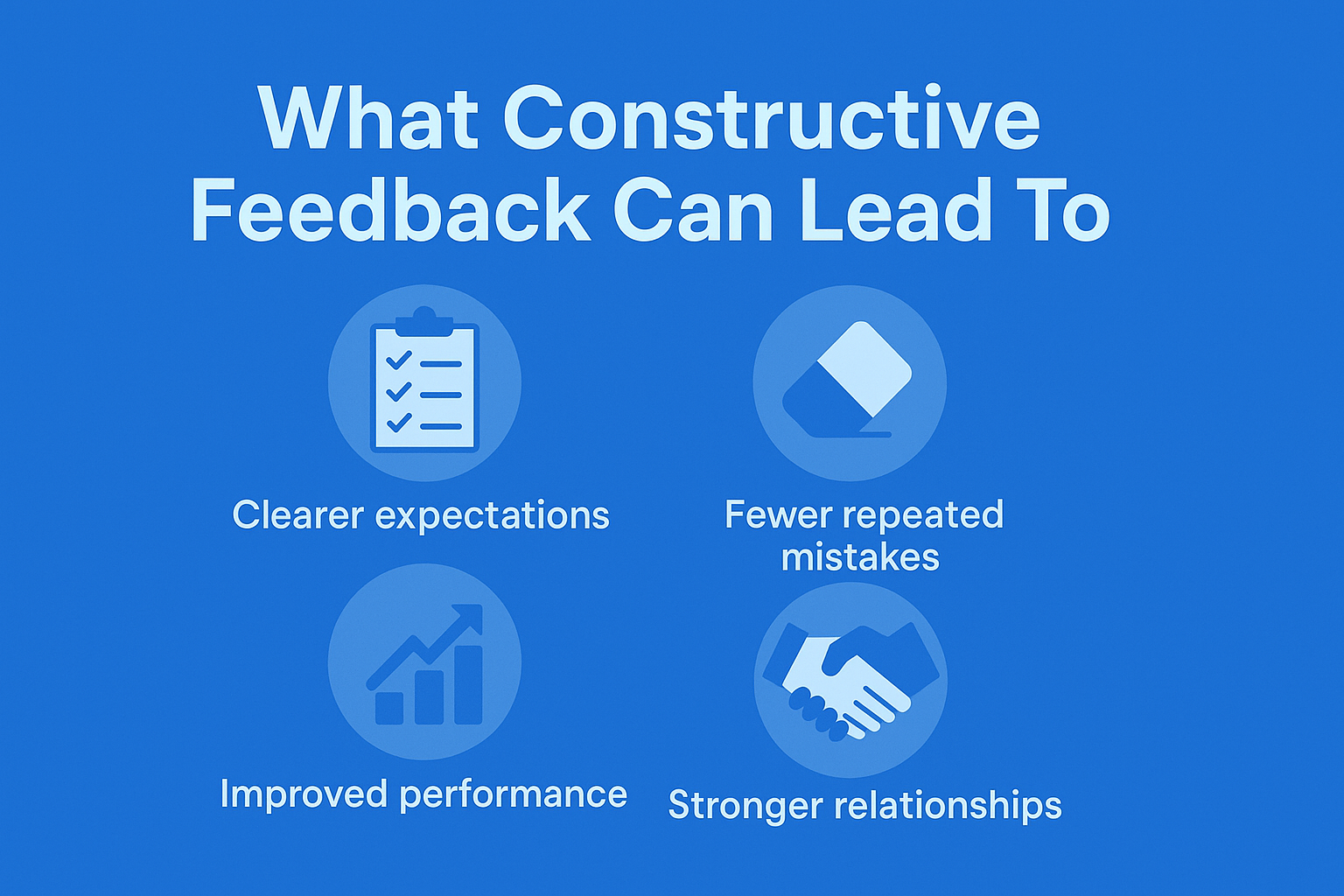

Mastering the art of giving constructive feedback is essential for fostering growth and improvement in both personal and professional settings. Whether you are a manager providing feedback to your team, a teacher guiding students, or a peer offering insights to colleagues, the ability to deliver constructive feedback effectively can significantly impact outcomes. This post will delve into the importance of giving constructive feedback, provide practical examples, and offer strategies to ensure your feedback is well-received and actionable.
Understanding Constructive Feedback
Constructive feedback is a type of feedback that is intended to help the recipient improve their performance or behavior. It is not merely about pointing out mistakes but rather about providing specific, actionable insights that can lead to positive change. Effective constructive feedback is:
- Specific: Clearly outlines what needs improvement.
- Actionable: Provides clear steps or suggestions for improvement.
- Timely: Given as soon as possible after the behavior or performance in question.
- Respectful: Delivered in a manner that shows respect for the recipient.
- Focused on Growth: Aimed at helping the recipient grow and develop.
The Importance of Giving Constructive Feedback Examples
Giving constructive feedback examples is crucial for several reasons. Firstly, it helps to illustrate what good feedback looks like, making it easier for others to understand and implement. Secondly, it provides a benchmark for what to aim for when delivering feedback. Lastly, it can serve as a training tool for those who are new to giving feedback or who struggle with it.
Here are some examples of giving constructive feedback:
Example 1: Feedback on a Presentation
Situation: A colleague has just given a presentation that was well-researched but lacked engagement.
Constructive Feedback:
"Your presentation was very informative and well-researched. However, I noticed that the audience seemed a bit disengaged. To improve this, consider adding more interactive elements, such as questions or polls, to keep the audience engaged. Additionally, practicing your delivery to include more varied tone and pace can make the presentation more dynamic. I believe these changes will make your presentations even more impactful."
Example 2: Feedback on a Project Report
Situation: A team member has submitted a project report that is thorough but lacks clarity in some sections.
Constructive Feedback:
"Your project report is comprehensive and covers all the necessary details. However, some sections are a bit dense and could benefit from clearer explanations. I suggest breaking down complex information into simpler points and using bullet lists or diagrams to illustrate key points. This will make the report easier to understand for readers who may not be as familiar with the topic. Additionally, proofreading for grammar and punctuation errors will enhance the overall quality of the report."
Example 3: Feedback on Team Collaboration
Situation: A team member is not contributing as much as others during team meetings.
Constructive Feedback:
"I've noticed that you've been quieter than usual during our team meetings. Your insights are valuable, and we would benefit from hearing more from you. I encourage you to share your thoughts more freely and to actively participate in discussions. If you feel hesitant, consider preparing some points beforehand or volunteering to lead a specific topic during the next meeting. Your contributions are important to the team's success."
Strategies for Effective Constructive Feedback
Delivering effective constructive feedback requires a thoughtful approach. Here are some strategies to help you provide feedback that is both constructive and well-received:
Be Specific and Clear
Vague feedback can be confusing and unhelpful. Ensure that your feedback is specific and clear, focusing on the behavior or performance that needs improvement. Use concrete examples to illustrate your points.
Use the Sandwich Method
The sandwich method involves starting with a positive comment, followed by the constructive feedback, and ending with another positive comment. This approach helps to soften the impact of the feedback and makes it more palatable for the recipient.
Example:
"You did a great job on the project's research phase. However, the final report could benefit from better organization and clearer headings. With these improvements, your report will be even more impressive. Keep up the good work!"
Focus on Behavior, Not the Person
Constructive feedback should be about the behavior or performance, not the person. Avoid personal attacks or criticisms that can be perceived as judgmental. Instead, focus on the actions that need improvement.
Example:
"Your report was well-researched, but the data presentation could be improved. Consider using visual aids like charts and graphs to make the data more understandable."
Provide Actionable Steps
Feedback should not just point out what's wrong but also provide clear steps on how to improve. Offer specific suggestions and resources that can help the recipient make the necessary changes.
Example:
"Your presentation was informative, but it could be more engaging. Try incorporating more visuals and interactive elements. You might also benefit from practicing your delivery to vary your tone and pace."
Encourage a Growth Mindset
Encourage the recipient to view feedback as an opportunity for growth rather than a criticism. Emphasize that everyone has room for improvement and that feedback is a natural part of the learning process.
Example:
"Feedback is a valuable tool for growth. I believe that with these adjustments, your performance will significantly improve. Keep an open mind and be willing to learn and adapt."
Common Mistakes to Avoid
While giving constructive feedback, it's important to avoid common pitfalls that can undermine its effectiveness. Here are some mistakes to steer clear of:
Being Too Vague
Vague feedback can be confusing and unhelpful. Ensure that your feedback is specific and clear, focusing on the behavior or performance that needs improvement.
Focusing on the Negative
While constructive feedback often involves pointing out areas for improvement, it's important to balance this with positive feedback. Highlighting strengths and achievements can make the recipient more receptive to the constructive feedback.
Using a Judgmental Tone
A judgmental tone can make the recipient defensive and less likely to accept the feedback. Use a respectful and supportive tone to ensure that your feedback is well-received.
Not Providing Actionable Steps
Feedback should not just point out what's wrong but also provide clear steps on how to improve. Offer specific suggestions and resources that can help the recipient make the necessary changes.
Ignoring the Recipient's Perspective
It's important to consider the recipient's perspective and feelings when giving feedback. Ask for their input and be open to their thoughts and concerns.
Giving Constructive Feedback Examples in Different Settings
Constructive feedback can be applied in various settings, from the workplace to educational environments. Here are some examples tailored to different contexts:
Workplace Feedback
In a professional setting, constructive feedback is essential for employee development and organizational success. Here are some examples:
Example 1:
"Your report was thorough, but it could benefit from clearer headings and subheadings. This will make it easier for readers to navigate and understand the content. Additionally, consider using bullet points to break down complex information."
Example 2:
"Your presentation was well-researched, but it lacked engagement. To improve, try incorporating more interactive elements and varying your tone and pace. This will make your presentations more dynamic and engaging."
Educational Feedback
In an educational setting, constructive feedback helps students improve their academic performance and develop essential skills. Here are some examples:
Example 1:
"Your essay was well-written, but it could benefit from better organization and clearer transitions between paragraphs. Consider using an outline to structure your thoughts and ensure a smooth flow."
Example 2:
"Your math solutions were correct, but your work could be neater and more organized. Use clear, step-by-step calculations and label your work to make it easier to follow."
Peer Feedback
Peer feedback can be a powerful tool for personal and professional growth. Here are some examples:
Example 1:
"Your project plan is comprehensive, but it could benefit from more detailed timelines and milestones. This will help ensure that the project stays on track and meets its deadlines."
Example 2:
"Your presentation was informative, but it could be more engaging. Consider adding visuals and interactive elements to keep the audience interested."
Conclusion
Giving constructive feedback is a critical skill that can significantly impact personal and professional growth. By understanding the principles of effective feedback, providing specific and actionable examples, and avoiding common mistakes, you can deliver feedback that is well-received and leads to positive change. Whether in the workplace, educational settings, or peer interactions, constructive feedback is a valuable tool for fostering improvement and success.
Related Terms:
- even better if feedback examples
- constructive feedback examples
- 10 examples of constructive feedback
- constructive feedback examples for workplace
- constructive feedback examples for coworkers