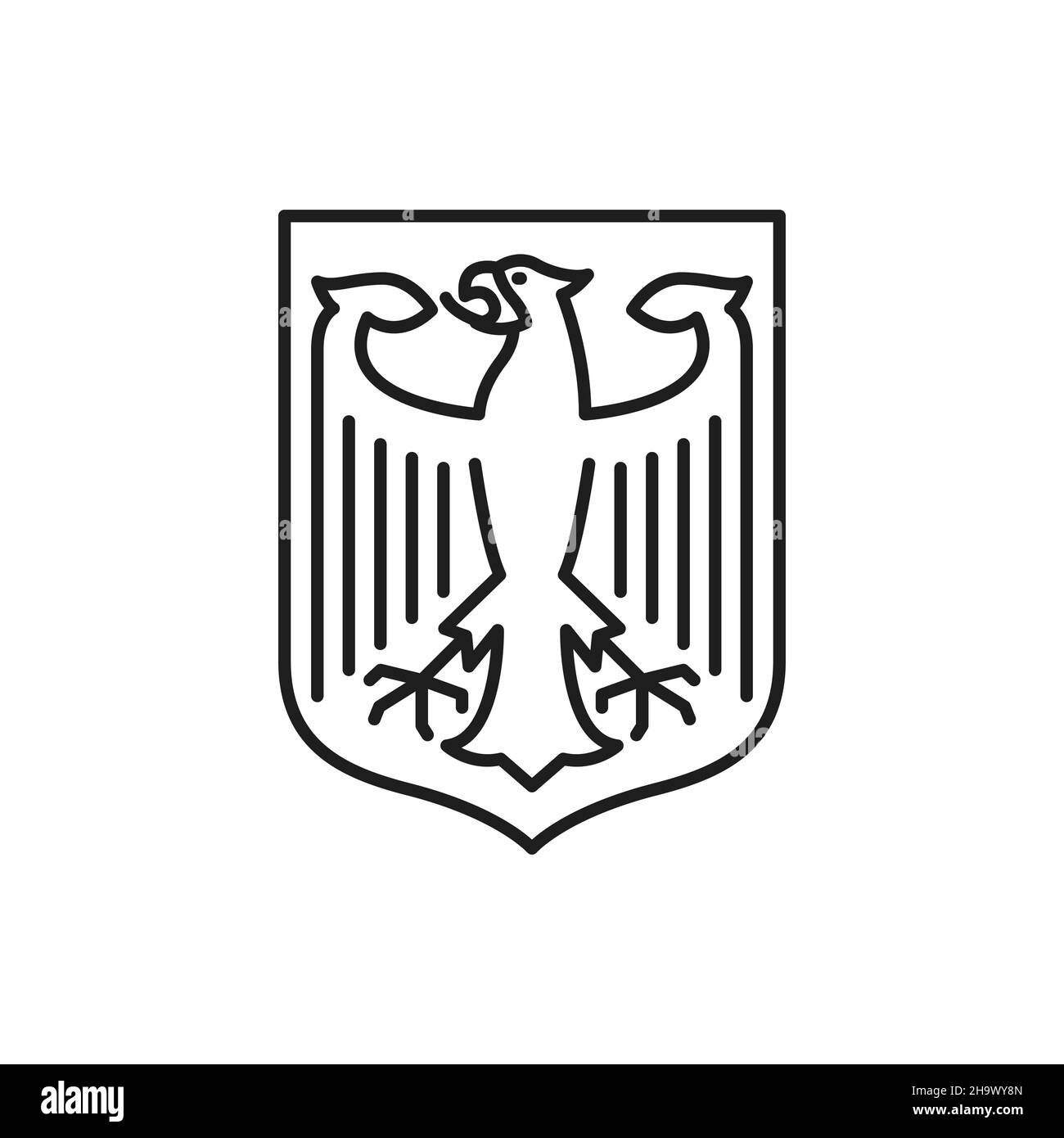

The German Flag and Eagle are iconic symbols that represent the rich history, culture, and national identity of Germany. These symbols have evolved over centuries, reflecting the country's political changes and cultural heritage. Understanding the significance of the German Flag and Eagle provides insight into the nation's journey and its enduring values.
The German Flag: A Symbol of Unity and Freedom
The German flag, known as the Bundesflagge, is a tricolor flag consisting of three equal horizontal bands of black, red, and gold. This design has been the official flag of Germany since 1949, but its roots trace back to the early 19th century. The colors black, red, and gold were first used in the Lützow Freikorps, a volunteer corps that fought against Napoleon's occupation of Germany. These colors became synonymous with German unity and freedom, and they were later adopted by various German states and movements.
The modern German flag was officially adopted by the Weimar Republic in 1919, replacing the previous black, white, and red flag used by the German Empire. The black, red, and gold flag was then used by the Federal Republic of Germany after World War II, symbolizing a new beginning and a commitment to democracy and peace. The flag's design is simple yet powerful, with each color carrying its own significance:
- Black: Represents the dark periods of German history, including the wars and conflicts that have shaped the nation.
- Red: Symbolizes the blood shed by Germans in their struggles for freedom and unity.
- Gold: Stands for the hope and prosperity that the German people strive for.
The German flag is not only a national symbol but also a symbol of European unity. It is often flown alongside the flags of other European countries, representing the shared values and goals of the European Union. The flag's design and colors have become universally recognized, making it an essential part of Germany's national identity.
The German Eagle: A Timeless Emblem of Power and Sovereignty
The German Eagle, or Bundesadler, is another iconic symbol of Germany. The eagle has been a prominent emblem in German heraldry for centuries, dating back to the Holy Roman Empire. The eagle's design has evolved over time, reflecting the political and cultural changes in Germany. Today, the German Eagle is a powerful symbol of the country's sovereignty and unity.
The modern German Eagle features a black eagle with outstretched wings, standing on a shield with the colors of the German flag. The eagle's head is turned to the right, symbolizing vigilance and readiness. The design of the eagle is simple yet striking, with intricate details that highlight its strength and majesty. The eagle is often depicted with a wreath of oak leaves around its neck, representing the country's resilience and endurance.
The German Eagle is used in various official contexts, including the coat of arms of the Federal Republic of Germany. It is also featured on official documents, such as passports and government seals. The eagle's image is a reminder of Germany's rich history and its commitment to democracy and the rule of law. The eagle's design and symbolism have made it an enduring emblem of German identity and pride.
The Evolution of the German Flag and Eagle
The German Flag and Eagle have undergone significant changes over the centuries, reflecting the country's political and cultural transformations. Understanding the evolution of these symbols provides a deeper appreciation of Germany's history and its enduring values.
The earliest known use of the German Eagle dates back to the Holy Roman Empire, where it was used as a symbol of imperial power. The eagle's design varied over time, but it remained a prominent emblem of the empire. During the Middle Ages, the eagle was adopted by various German states and cities, becoming a symbol of local sovereignty and identity.
The German Flag, on the other hand, has a more recent history. The colors black, red, and gold were first used in the early 19th century by the Lützow Freikorps, a volunteer corps that fought against Napoleon's occupation. These colors became synonymous with German unity and freedom, and they were later adopted by various German states and movements. The modern German flag was officially adopted by the Weimar Republic in 1919, replacing the previous black, white, and red flag used by the German Empire.
After World War II, the German Flag and Eagle were re-established as symbols of the Federal Republic of Germany. The flag's design and colors were retained, while the eagle's design was modernized to reflect the country's new democratic values. The German Eagle was featured on the coat of arms of the Federal Republic, symbolizing the country's sovereignty and unity.
The evolution of the German Flag and Eagle reflects the country's journey from a fragmented collection of states to a unified nation. These symbols have endured through centuries of political and cultural change, remaining powerful emblems of German identity and pride.
The Significance of the German Flag and Eagle Today
Today, the German Flag and Eagle continue to be important symbols of national identity and unity. They are used in various official contexts, including government buildings, military uniforms, and official documents. The flag and eagle are also featured in cultural events and celebrations, such as national holidays and sporting events. Their significance extends beyond Germany, as they are recognized internationally as symbols of the country's rich history and cultural heritage.
The German Flag and Eagle are also important symbols of European unity. They are often flown alongside the flags of other European countries, representing the shared values and goals of the European Union. The flag and eagle's design and colors have become universally recognized, making them essential parts of Germany's national identity and its role in the global community.
The German Flag and Eagle are more than just symbols; they are living emblems of the country's history, culture, and values. They represent the resilience and endurance of the German people, as well as their commitment to democracy, freedom, and unity. Understanding the significance of these symbols provides a deeper appreciation of Germany's rich heritage and its enduring legacy.
The German Flag and Eagle are also important symbols of national pride and identity. They are often displayed in public places, such as government buildings, schools, and sports stadiums. The flag and eagle are also featured in cultural events and celebrations, such as national holidays and sporting events. Their significance extends beyond Germany, as they are recognized internationally as symbols of the country's rich history and cultural heritage.
The German Flag and Eagle are also important symbols of European unity. They are often flown alongside the flags of other European countries, representing the shared values and goals of the European Union. The flag and eagle's design and colors have become universally recognized, making them essential parts of Germany's national identity and its role in the global community.
The German Flag and Eagle are more than just symbols; they are living emblems of the country's history, culture, and values. They represent the resilience and endurance of the German people, as well as their commitment to democracy, freedom, and unity. Understanding the significance of these symbols provides a deeper appreciation of Germany's rich heritage and its enduring legacy.
The German Flag and Eagle are also important symbols of national pride and identity. They are often displayed in public places, such as government buildings, schools, and sports stadiums. The flag and eagle are also featured in cultural events and celebrations, such as national holidays and sporting events. Their significance extends beyond Germany, as they are recognized internationally as symbols of the country's rich history and cultural heritage.
The German Flag and Eagle are also important symbols of European unity. They are often flown alongside the flags of other European countries, representing the shared values and goals of the European Union. The flag and eagle's design and colors have become universally recognized, making them essential parts of Germany's national identity and its role in the global community.
The German Flag and Eagle are more than just symbols; they are living emblems of the country's history, culture, and values. They represent the resilience and endurance of the German people, as well as their commitment to democracy, freedom, and unity. Understanding the significance of these symbols provides a deeper appreciation of Germany's rich heritage and its enduring legacy.
The German Flag and Eagle are also important symbols of national pride and identity. They are often displayed in public places, such as government buildings, schools, and sports stadiums. The flag and eagle are also featured in cultural events and celebrations, such as national holidays and sporting events. Their significance extends beyond Germany, as they are recognized internationally as symbols of the country's rich history and cultural heritage.
The German Flag and Eagle are also important symbols of European unity. They are often flown alongside the flags of other European countries, representing the shared values and goals of the European Union. The flag and eagle's design and colors have become universally recognized, making them essential parts of Germany's national identity and its role in the global community.
The German Flag and Eagle are more than just symbols; they are living emblems of the country's history, culture, and values. They represent the resilience and endurance of the German people, as well as their commitment to democracy, freedom, and unity. Understanding the significance of these symbols provides a deeper appreciation of Germany's rich heritage and its enduring legacy.
The German Flag and Eagle are also important symbols of national pride and identity. They are often displayed in public places, such as government buildings, schools, and sports stadiums. The flag and eagle are also featured in cultural events and celebrations, such as national holidays and sporting events. Their significance extends beyond Germany, as they are recognized internationally as symbols of the country's rich history and cultural heritage.
The German Flag and Eagle are also important symbols of European unity. They are often flown alongside the flags of other European countries, representing the shared values and goals of the European Union. The flag and eagle's design and colors have become universally recognized, making them essential parts of Germany's national identity and its role in the global community.
The German Flag and Eagle are more than just symbols; they are living emblems of the country's history, culture, and values. They represent the resilience and endurance of the German people, as well as their commitment to democracy, freedom, and unity. Understanding the significance of these symbols provides a deeper appreciation of Germany's rich heritage and its enduring legacy.
The German Flag and Eagle are also important symbols of national pride and identity. They are often displayed in public places, such as government buildings, schools, and sports stadiums. The flag and eagle are also featured in cultural events and celebrations, such as national holidays and sporting events. Their significance extends beyond Germany, as they are recognized internationally as symbols of the country's rich history and cultural heritage.
The German Flag and Eagle are also important symbols of European unity. They are often flown alongside the flags of other European countries, representing the shared values and goals of the European Union. The flag and eagle's design and colors have become universally recognized, making them essential parts of Germany's national identity and its role in the global community.
The German Flag and Eagle are more than just symbols; they are living emblems of the country's history, culture, and values. They represent the resilience and endurance of the German people, as well as their commitment to democracy, freedom, and unity. Understanding the significance of these symbols provides a deeper appreciation of Germany's rich heritage and its enduring legacy.
The German Flag and Eagle are also important symbols of national pride and identity. They are often displayed in public places, such as government buildings, schools, and sports stadiums. The flag and eagle are also featured in cultural events and celebrations, such as national holidays and sporting events. Their significance extends beyond Germany, as they are recognized internationally as symbols of the country's rich history and cultural heritage.
The German Flag and Eagle are also important symbols of European unity. They are often flown alongside the flags of other European countries, representing the shared values and goals of the European Union. The flag and eagle's design and colors have become universally recognized, making them essential parts of Germany's national identity and its role in the global community.
The German Flag and Eagle are more than just symbols; they are living emblems of the country's history, culture, and values. They represent the resilience and endurance of the German people, as well as their commitment to democracy, freedom, and unity. Understanding the significance of these symbols provides a deeper appreciation of Germany's rich heritage and its enduring legacy.
The German Flag and Eagle are also important symbols of national pride and identity. They are often displayed in public places, such as government buildings, schools, and sports stadiums. The flag and eagle are also featured in cultural events and celebrations, such as national holidays and sporting events. Their significance extends beyond Germany, as they are recognized internationally as symbols of the country's rich history and cultural heritage.
The German Flag and Eagle are also important symbols of European unity. They are often flown alongside the flags of other European countries, representing the shared values and goals of the European Union. The flag and eagle's design and colors have become universally recognized, making them essential parts of Germany's national identity and its role in the global community.
The German Flag and Eagle are more than just symbols; they are living emblems of the country's history, culture, and values. They represent the resilience and endurance of the German people, as well as their commitment to democracy, freedom, and unity. Understanding the significance of these symbols provides a deeper appreciation of Germany's rich heritage and its enduring legacy.
The German Flag and Eagle are also important symbols of national pride and identity. They are often displayed in public places, such as government buildings, schools, and sports stadiums. The flag and eagle are also featured in cultural events and celebrations, such as national holidays and sporting events. Their significance extends beyond Germany, as they are recognized internationally as symbols of the country's rich history and cultural heritage.
The German Flag and Eagle are also important symbols of European unity. They are often flown alongside the flags of other European countries, representing the shared values and goals of the European Union. The flag and eagle's design and colors have become universally recognized, making them essential parts of Germany's national identity and its role in the global community.
The German Flag and Eagle are more than just symbols; they are living emblems of the country's history, culture, and values. They represent the resilience and endurance of the German people, as well as their commitment to democracy, freedom, and unity. Understanding the significance of these symbols provides a deeper appreciation of Germany's rich heritage and its enduring legacy.
The German Flag and Eagle are also important symbols of national pride and identity. They are often displayed in public places, such as government buildings, schools, and sports stadiums. The flag and eagle are also featured in cultural events and celebrations, such as national holidays and sporting events. Their significance extends beyond Germany, as they are recognized internationally as symbols of the country's rich history and cultural heritage.
The German Flag and Eagle are also important symbols of European unity. They are often flown alongside the flags of other European countries, representing the shared values and goals of the European Union. The flag and eagle's design and colors have become universally recognized, making them essential parts of Germany's national identity and its role in the global community.
The German Flag and Eagle are more than just symbols; they are living emblems of the country's history, culture, and values. They represent the resilience and endurance of the German people, as well as their commitment to democracy, freedom, and unity. Understanding the significance of these symbols provides a deeper appreciation of Germany's rich heritage and its enduring legacy.
The German Flag and Eagle are also important symbols of national pride and identity. They are often displayed in public places, such as government buildings, schools, and sports stadiums. The flag and eagle are also featured in cultural events and celebrations, such as national holidays and sporting events. Their significance extends beyond Germany, as they are recognized internationally as symbols of the country's rich history and cultural heritage.
The German Flag and Eagle are also important symbols of European unity. They are often flown alongside the flags of other European countries, representing the shared values and goals of the European Union. The flag and eagle's design and colors have become universally recognized, making them essential parts of Germany's national identity and its role in the global community.
The German Flag and Eagle are more than just symbols; they are living emblems of the country's history, culture, and values. They represent the resilience and endurance of the German people, as well as their commitment to democracy, freedom, and unity. Understanding the significance of these symbols provides a deeper appreciation of Germany's rich heritage and its enduring legacy.
The German Flag and Eagle are also important symbols of national pride and identity. They are often displayed in public places, such as government buildings, schools, and sports stadiums. The flag and eagle are also featured in cultural events and celebrations, such as national holidays and sporting events. Their significance extends beyond Germany, as they are recognized internationally as symbols of the country's rich history and cultural heritage.
The German Flag and Eagle are also important symbols of European unity. They are often flown alongside the flags of other European countries, representing the shared values and goals of the European Union. The flag and eagle's design and colors have become universally recognized, making them essential parts of Germany's national identity and its role in the global community.
The German Flag and Eagle are more than just symbols; they are living emblems of the country's history, culture, and values. They represent the resilience and endurance of the German people, as well as their commitment to democracy, freedom, and unity. Understanding the significance of these symbols provides a deeper appreciation of Germany's rich heritage and its enduring legacy.
The German Flag and Eagle are also important symbols of national pride and identity. They are often displayed in public places, such as government buildings, schools, and sports stadiums. The flag and eagle are also featured in cultural events and celebrations, such as national holidays and sporting events. Their significance extends beyond Germany, as they are recognized internationally as symbols of the country's rich history and cultural heritage.
The German Flag and Eagle are also important symbols of European unity. They are often flown alongside the flags of other European countries, representing the shared values and goals of the European Union. The flag and eagle's design and colors have become universally recognized, making them essential parts of Germany's national identity and its role in the global community.
The German Flag and Eagle are more than just symbols; they are living emblems of the country's history, culture, and values. They represent the resilience and endurance of the German people, as well as their commitment to democracy, freedom, and unity. Understanding the significance of these symbols provides a deeper appreciation of Germany's rich heritage and its enduring legacy.
The German Flag and Eagle are also important symbols of national pride and identity. They are often displayed in public places, such as government buildings, schools, and sports stadiums. The flag and eagle are also featured in cultural events and celebrations, such as national holidays and sporting events. Their significance extends beyond Germany, as they are recognized internationally as symbols of the country's rich history and cultural heritage.
The German Flag and Eagle are also important symbols of European unity. They are often flown alongside the flags of other European countries, representing the shared values and goals of the European Union. The flag and eagle's design and colors have become universally recognized, making them essential parts of Germany's national identity and its role in the global community.
The German Flag and Eagle are more than just symbols; they are living emblems of the country's history, culture, and values. They represent the resilience and endurance of the German people, as well as their commitment to democracy, freedom, and unity. Understanding the significance of these symbols provides a deeper appreciation of Germany's rich heritage and its enduring legacy.
The German Flag and Eagle are also important symbols of national pride and identity. They are often displayed in public places, such as government buildings, schools, and sports stadiums. The flag and eagle are also featured in cultural events and celebrations, such as national holidays and sporting events. Their significance extends beyond Germany, as they are recognized internationally as symbols of the country's rich history and cultural heritage.
The German Flag and Eagle are also important symbols of European unity. They are often flown alongside the flags of other European countries, representing the shared values and goals of the European Union. The flag and eagle’s design and colors have become
Related Terms:
- modern german eagle
- german eagle symbol name
- german eagle meaning
- german black eagle symbol
- german bird symbol
- eagle germany national symbol