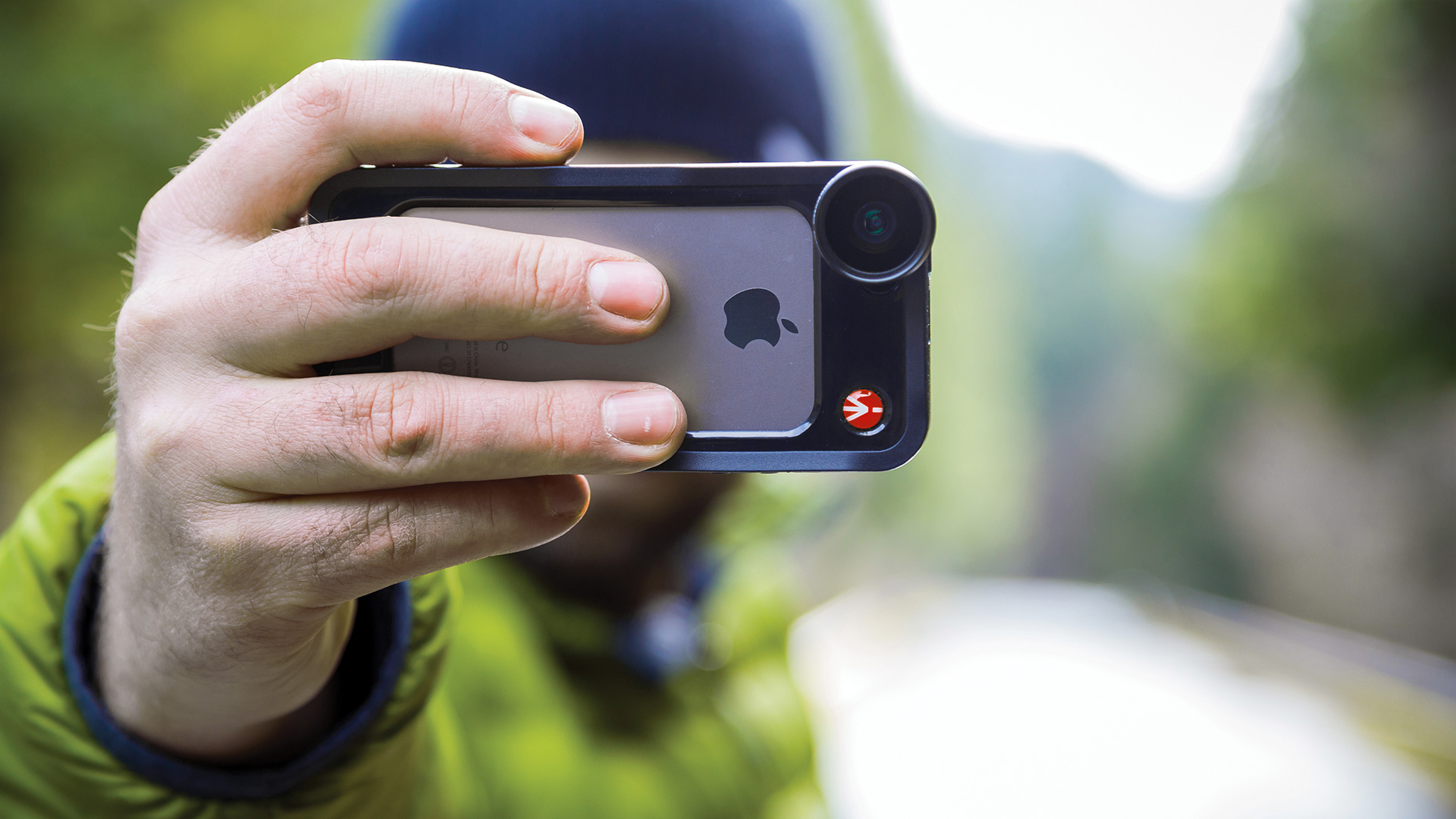

In the digital age, the concept of First Amendment Audits has gained significant traction, particularly among those interested in public accountability and transparency. These audits involve individuals recording public officials or law enforcement in public spaces to ensure that their actions align with constitutional rights. This practice has sparked debates about the balance between public transparency and individual privacy. Understanding the nuances of First Amendment Audits is crucial for anyone interested in civic engagement and the protection of constitutional rights.
Understanding First Amendment Audits
First Amendment Audits are a form of public accountability where individuals record interactions with public officials, such as police officers, to ensure that their actions comply with the First Amendment of the U.S. Constitution. The First Amendment protects freedom of speech, press, assembly, and the right to petition the government. Auditors often use cameras or smartphones to document these interactions, aiming to hold public officials accountable for their actions.
These audits are typically conducted in public spaces where the right to record is generally protected. However, the legality and ethical implications of First Amendment Audits can vary depending on the jurisdiction and the specific circumstances of the recording. It is essential to understand the legal framework and best practices to ensure that these audits are conducted responsibly and effectively.
Legal Framework of First Amendment Audits
The legal framework surrounding First Amendment Audits is complex and varies by state. Generally, the First Amendment protects the right to record public officials in public spaces. However, there are exceptions and limitations to this right. For example, recording in certain restricted areas, such as courthouses or secure facilities, may be prohibited. Additionally, some states have specific laws regarding the recording of law enforcement officers, which can impact the legality of First Amendment Audits in those jurisdictions.
It is crucial to research and understand the specific laws in your state before conducting a First Amendment Audit. Consulting with a legal professional can provide clarity on the legal boundaries and ensure that the audit is conducted within the bounds of the law. Some key legal considerations include:
- Public vs. private spaces: Recording in public spaces is generally protected, but recording in private spaces may not be.
- Consent: In some states, all parties must consent to being recorded, while in others, only one party needs to consent.
- Obstruction of justice: Recording law enforcement officers should not interfere with their duties or obstruct justice.
- Harassment: Audits should not be conducted in a manner that constitutes harassment or intimidation.
📝 Note: Always check local laws and regulations before conducting a First Amendment Audit to ensure compliance with legal requirements.
Best Practices for Conducting First Amendment Audits
Conducting a First Amendment Audit requires careful planning and adherence to best practices to ensure the audit is effective and legal. Here are some key steps to follow:
1. Research Local Laws: Understand the specific laws and regulations in your jurisdiction regarding the recording of public officials. This includes knowing the boundaries of public and private spaces and any consent requirements.
2. Choose the Right Location: Select a public space where recording is legally permitted. Avoid restricted areas or private spaces where recording may be prohibited.
3. Be Respectful and Professional: Approach the audit with a respectful and professional demeanor. Avoid confrontational behavior or language that could be interpreted as harassment or intimidation.
4. Document Everything: Use a high-quality camera or smartphone to record the interaction. Ensure that the recording is clear and audible, capturing all relevant details of the interaction.
5. Stay Calm and Composed: Maintain a calm and composed demeanor throughout the audit. Avoid escalating the situation or engaging in arguments with public officials.
6. Know Your Rights: Familiarize yourself with your constitutional rights and the rights of the public officials you are recording. This knowledge will help you navigate the interaction confidently and effectively.
7. Review and Share: After the audit, review the recording to ensure it captures all relevant details. Share the recording on social media or other platforms to raise awareness and hold public officials accountable.
📝 Note: Always prioritize safety and legal compliance when conducting a First Amendment Audit. Avoid situations that could escalate into conflict or legal issues.
Ethical Considerations of First Amendment Audits
While First Amendment Audits serve an important purpose in promoting transparency and accountability, they also raise ethical considerations. It is essential to conduct these audits responsibly and ethically to ensure that they achieve their intended goals without causing harm. Some key ethical considerations include:
- Respect for Privacy: While public officials are subject to public scrutiny, it is important to respect their privacy and personal boundaries. Avoid recording in situations where privacy is expected, such as private conversations or personal activities.
- Avoid Harassment: Audits should not be conducted in a manner that constitutes harassment or intimidation. Respect the dignity and professionalism of public officials and avoid behavior that could be perceived as threatening or disrespectful.
- Transparency: Be transparent about your intentions and the purpose of the audit. Clearly communicate that you are conducting a First Amendment Audit to ensure transparency and accountability.
- Accuracy: Ensure that the recording accurately reflects the interaction. Avoid editing or manipulating the recording in a way that misrepresents the events or intentions of the parties involved.
📝 Note: Ethical considerations are crucial in conducting First Amendment Audits. Always prioritize respect, transparency, and accuracy to ensure the audit is conducted responsibly.
Case Studies of First Amendment Audits
Several notable cases have highlighted the importance and impact of First Amendment Audits. These cases demonstrate how audits can expose misconduct, promote transparency, and hold public officials accountable. Here are a few examples:
1. The Case of Philip Turner: Philip Turner, a First Amendment Auditor, recorded an interaction with a police officer in Texas. The officer attempted to confiscate Turner's camera, leading to a legal battle that ultimately affirmed Turner's right to record. This case set a precedent for the protection of First Amendment Audits in Texas.
2. The Case of Adam Gray: Adam Gray, another First Amendment Auditor, recorded an interaction with a police officer in California. The officer attempted to arrest Gray for recording, but the charges were later dropped. This case highlighted the importance of knowing your rights and the legal protections afforded to First Amendment Auditors.
3. The Case of Michael Picciano: Michael Picciano, a First Amendment Auditor, recorded an interaction with a police officer in New York. The officer attempted to intimidate Picciano and confiscate his camera, but Picciano's recording provided evidence of the officer's misconduct. This case demonstrated the power of First Amendment Audits in exposing police misconduct and promoting accountability.
📝 Note: These case studies illustrate the importance of First Amendment Audits in promoting transparency and accountability. They also highlight the legal protections afforded to auditors and the challenges they may face.
Challenges and Controversies
While First Amendment Audits serve a valuable purpose, they are not without challenges and controversies. Some of the key challenges and controversies include:
- Legal Uncertainty: The legal framework surrounding First Amendment Audits can be uncertain and vary by jurisdiction. This uncertainty can make it difficult for auditors to navigate the legal landscape and conduct audits effectively.
- Public Perception: First Amendment Audits can be perceived as confrontational or disrespectful, leading to negative public perception. It is essential to conduct audits in a respectful and professional manner to avoid escalating tensions.
- Safety Concerns: Auditors may face safety concerns, including physical altercations or legal repercussions. It is crucial to prioritize safety and legal compliance when conducting audits.
- Ethical Dilemmas: Auditors may face ethical dilemmas, such as balancing the need for transparency with the respect for privacy. It is important to conduct audits ethically and responsibly to ensure they achieve their intended goals without causing harm.
📝 Note: Addressing these challenges and controversies requires a careful balance of legal knowledge, ethical considerations, and professional conduct. Always prioritize safety, respect, and transparency when conducting First Amendment Audits.
The Future of First Amendment Audits
The future of First Amendment Audits is likely to be shaped by ongoing legal battles, technological advancements, and public awareness. As more people become aware of their constitutional rights and the importance of transparency, First Amendment Audits are likely to become more prevalent. However, the legal and ethical challenges associated with these audits will continue to evolve, requiring auditors to stay informed and adaptable.
Technological advancements, such as improved recording devices and social media platforms, will also play a significant role in the future of First Amendment Audits. These advancements will make it easier for auditors to document interactions and share their findings with a broader audience, increasing the impact and reach of these audits.
Public awareness and education will be crucial in promoting the acceptance and understanding of First Amendment Audits. As more people become aware of their constitutional rights and the importance of transparency, they will be more likely to support and engage in these audits. Education and outreach efforts will be essential in fostering a culture of accountability and transparency.
📝 Note: The future of First Amendment Audits will be shaped by legal, technological, and public awareness factors. Staying informed and adaptable will be crucial for auditors to navigate the evolving landscape and achieve their goals.
In wrapping up, First Amendment Audits play a crucial role in promoting transparency and accountability in public spaces. By understanding the legal framework, best practices, and ethical considerations, auditors can conduct these audits responsibly and effectively. Case studies and challenges highlight the importance of these audits in exposing misconduct and promoting accountability. As the future of First Amendment Audits continues to evolve, staying informed and adaptable will be essential for auditors to achieve their goals and contribute to a more transparent and accountable society.
Related Terms:
- laws against first amendment auditors
- first amendment audits youtube
- first amendment audits today 2025
- first amendment audits videos
- constitution audits
- first amendment audits videos today