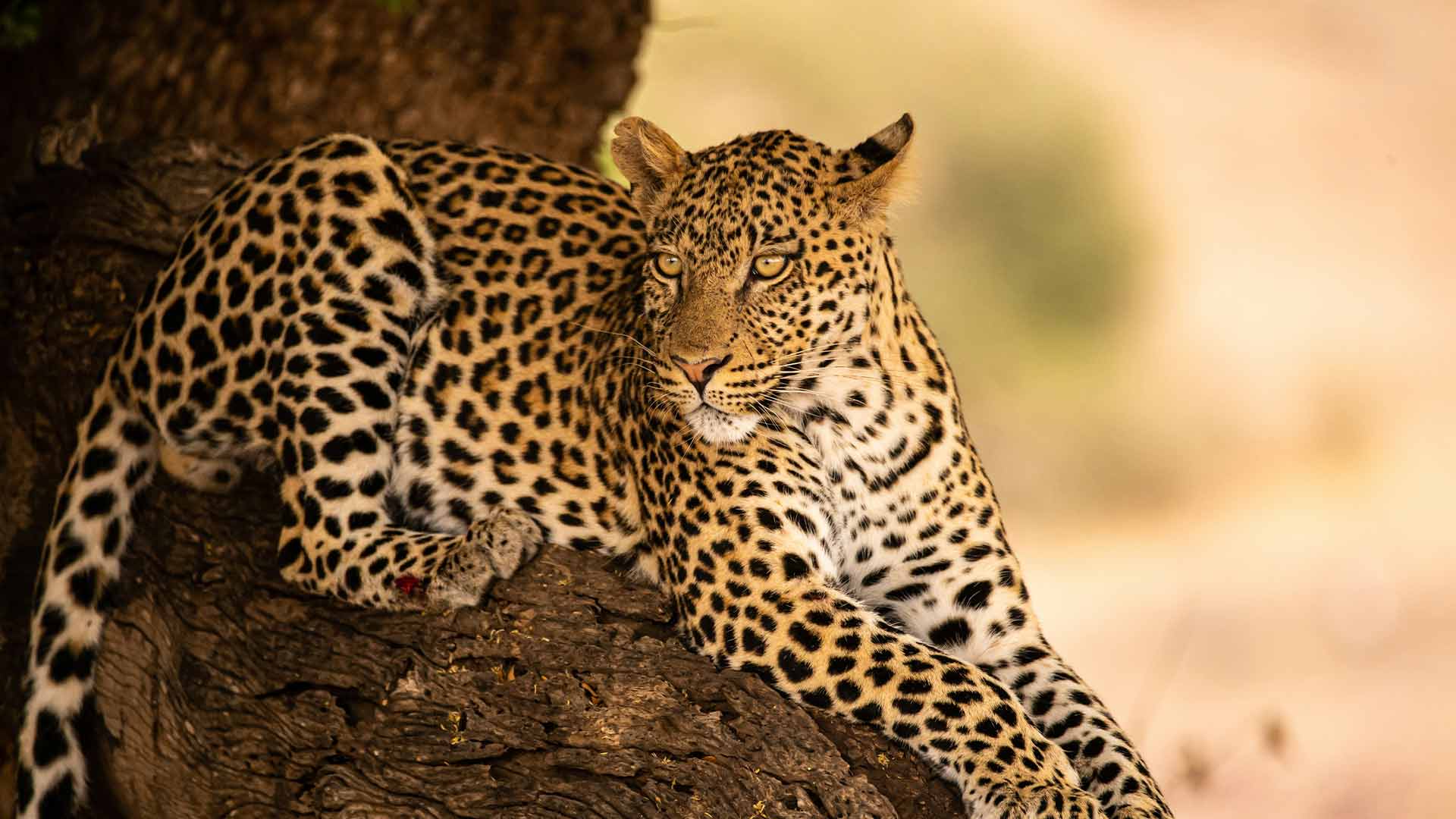

Leopards are one of the most fascinating and enigmatic big cats in the world. Known for their stealth, agility, and striking appearance, these predators have captivated human imagination for centuries. This blog post delves into the intriguing world of leopards, exploring various Facts About Leopards that make them unique and essential to their ecosystems.
Physical Characteristics
Leopards are known for their distinctive physical features, which make them well-adapted to their environments. Here are some key points about their physical characteristics:
- Coat Pattern: Leopards have a coat that is covered in rosettes, which are rose-shaped patterns. These rosettes help them blend into their surroundings, making them excellent hunters.
- Size and Weight: Male leopards are generally larger than females. Adult males can weigh between 40 to 90 kg (88 to 198 lbs), while females typically weigh between 23 to 60 kg (51 to 132 lbs).
- Body Structure: Leopards have a muscular build with powerful limbs and a long tail, which aids in balance and agility. Their retractable claws help them climb trees effortlessly.
Habitat and Distribution
Leopards are highly adaptable and can be found in a variety of habitats across Africa and Asia. Their distribution and habitat preferences are as follows:
- Geographic Range: In Africa, leopards are found in sub-Saharan regions, while in Asia, they inhabit parts of India, Southeast Asia, and China.
- Habitat Types: Leopards thrive in diverse environments, including savannas, rainforests, deserts, and mountainous regions. Their adaptability allows them to survive in both dense forests and open grasslands.
Leopards are known for their ability to climb trees, which is a unique behavior among big cats. This skill helps them escape from competitors and store their prey in trees to keep it safe from scavengers.
Hunting and Diet
Leopards are solitary and territorial animals, known for their exceptional hunting skills. Their diet and hunting strategies are crucial to their survival:
- Diet: Leopards are opportunistic hunters and feed on a variety of prey, including antelopes, deer, monkeys, and even birds. They are also known to hunt livestock, which sometimes brings them into conflict with humans.
- Hunting Techniques: Leopards are ambush predators, relying on stealth and surprise to catch their prey. They often stalk their targets from a distance before launching a swift attack.
Leopards are known for their ability to drag heavy prey up into trees, a behavior that is unique among big cats. This helps them keep their kills safe from other predators and scavengers.
Behavior and Social Structure
Leopards are generally solitary animals, but their behavior and social structure are complex and fascinating:
- Territorial Behavior: Both male and female leopards are territorial and mark their territories with urine, feces, and scratches on trees. Males are particularly aggressive in defending their territories.
- Social Interactions: While leopards are solitary, they do interact with each other, especially during mating season. Females give birth to a litter of 1-3 cubs after a gestation period of about 90-105 days.
Leopard cubs stay with their mothers for about 18-24 months, learning essential survival skills before venturing out on their own.
Conservation Status
The conservation status of leopards is a critical concern, as their populations face numerous threats. Understanding their status and the challenges they face is essential for their protection:
- Threats: Leopards face threats from habitat loss, poaching, and human-wildlife conflict. Their populations have declined significantly in many regions due to these factors.
- Conservation Efforts: Various conservation initiatives are underway to protect leopards and their habitats. These efforts include anti-poaching patrols, habitat restoration, and community education programs.
Leopards are listed as Vulnerable on the IUCN Red List, highlighting the urgent need for conservation action.
Cultural Significance
Leopards hold significant cultural and symbolic importance in many societies around the world. Their representation in folklore, mythology, and art reflects their deep connection with human culture:
- Mythology and Folklore: In many African and Asian cultures, leopards are revered as symbols of strength, courage, and stealth. They often appear in myths and legends as powerful and mysterious creatures.
- Art and Literature: Leopards have been depicted in various forms of art and literature, from ancient cave paintings to modern-day novels and films. Their striking appearance and elusive nature make them a popular subject for artists and writers.
Leopards are often featured in national emblems and symbols, representing the wild and untamed spirit of nature.
Interesting Facts About Leopards
Leopards are full of surprises, and there are many interesting facts about these magnificent creatures that make them even more fascinating:
- Swimming Abilities: Unlike many big cats, leopards are excellent swimmers and are known to cross rivers and lakes in search of prey or new territories.
- Nocturnal Behavior: Leopards are primarily nocturnal, meaning they are most active during the night. This helps them avoid competition with other predators and increases their chances of catching prey.
- Unique Roars: Leopards have a distinctive roar that is different from other big cats. Their roars are often described as a deep, resonant sound that can be heard from a considerable distance.
Leopards are known for their ability to adapt to different environments, making them one of the most versatile big cats in the world.
Leopards are truly remarkable creatures, and understanding their behavior, habitat, and conservation needs is crucial for their survival. By appreciating the unique qualities of these big cats, we can work towards ensuring their continued existence in the wild.
🐾 Note: The information provided in this blog post is based on general knowledge and research about leopards. For the most accurate and up-to-date information, it is recommended to consult scientific literature and conservation organizations.
Leopards are not just fascinating animals; they play a vital role in maintaining the balance of their ecosystems. Their presence helps control prey populations and contributes to the overall health of the environment. By protecting leopards, we are also safeguarding the biodiversity and ecological integrity of the regions they inhabit. Understanding the various Facts About Leopards helps us appreciate their importance and the need for their conservation. Through continued research, education, and conservation efforts, we can ensure that these magnificent creatures continue to thrive in the wild for generations to come.
Related Terms:
- facts about snow leopards
- what do leopards eat
- leopards habitat
- 5 interesting facts about leopards
- fun fact about leopards
- facts about leopards habitat