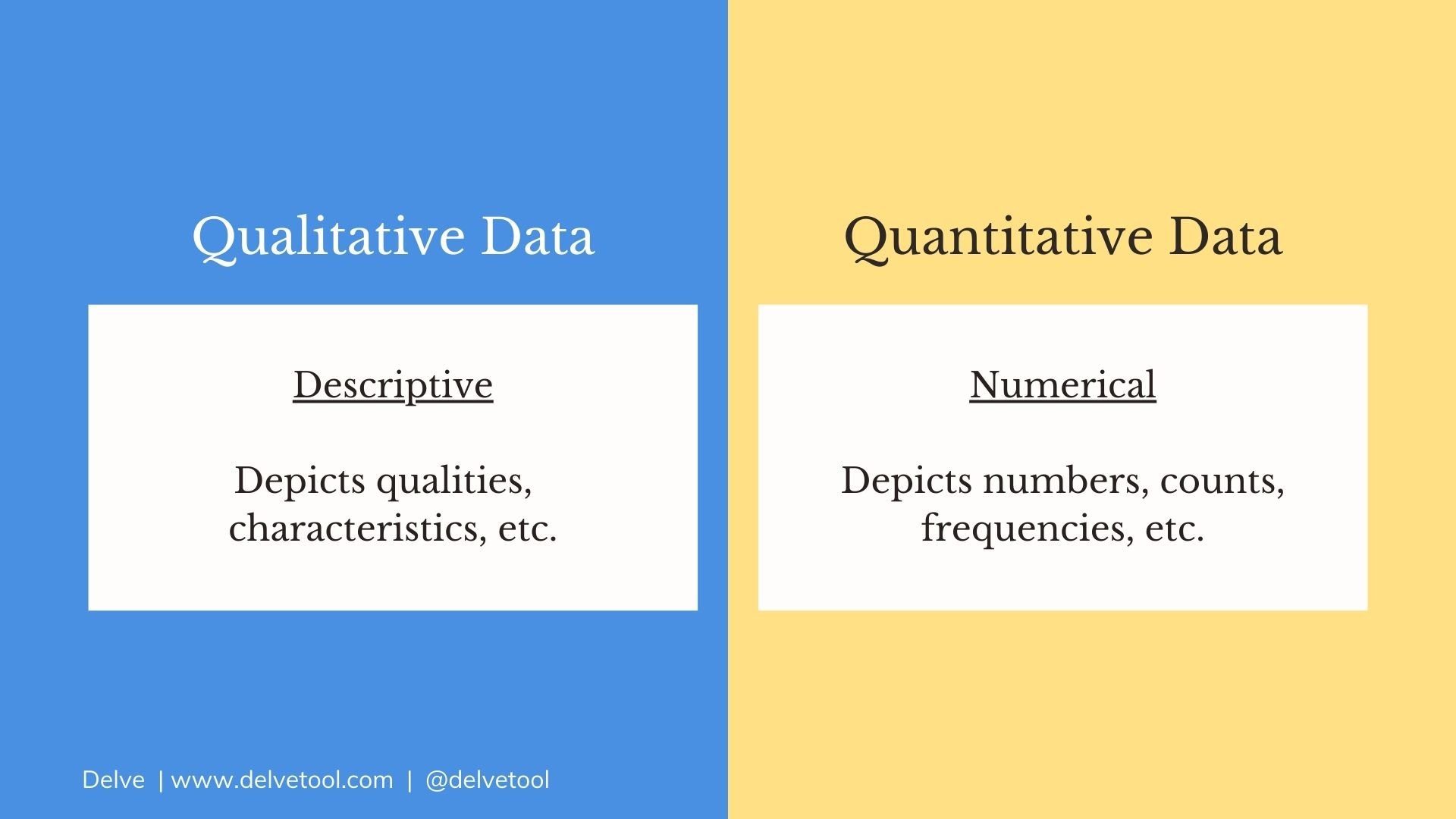

Data is the backbone of decision-making in various fields, from business and healthcare to social sciences and education. Understanding the different types of data is crucial for effective analysis and interpretation. One of the fundamental distinctions is between qualitative and quantitative data. While quantitative data deals with numbers and measurements, qualitative data focuses on descriptions, characteristics, and qualities. In this post, we will delve into the world of qualitative data, exploring its definition, types, collection methods, and examples of qualitative data.
Understanding Qualitative Data
Qualitative data is information that describes qualities or characteristics. It is often non-numerical and can be observed but not measured. This type of data is essential for understanding the “why” and “how” behind phenomena, providing deeper insights into human behavior, attitudes, and experiences.
Types of Qualitative Data
Qualitative data can be categorized into several types, each serving different purposes in research and analysis. The main types include:
- Descriptive Data: This type of data provides detailed descriptions of phenomena. It includes words, phrases, and sentences that describe characteristics, behaviors, or events.
- Narrative Data: Narrative data consists of stories, anecdotes, and personal accounts. It is often used to understand individual experiences and perspectives.
- Observational Data: This data is collected through direct observation of behaviors, interactions, and environments. It helps in understanding patterns and dynamics in real-world settings.
- Interview Data: Collected through structured or unstructured interviews, this data provides in-depth insights into participants’ thoughts, feelings, and experiences.
- Document Data: This includes information from documents such as reports, articles, and historical records. It is used to analyze trends, policies, and historical events.
Methods of Collecting Qualitative Data
Collecting qualitative data involves various methods, each with its own strengths and limitations. Some of the most common methods include:
- Interviews: One-on-one conversations with participants to gather detailed information about their experiences, opinions, and perceptions.
- Focus Groups: Group discussions facilitated by a moderator to explore a specific topic and gather diverse perspectives.
- Surveys: Questionnaires that include open-ended questions to collect descriptive and narrative data from a large number of respondents.
- Observations: Directly observing behaviors, interactions, and environments to gather data on patterns and dynamics.
- Document Analysis: Examining documents such as reports, articles, and historical records to extract qualitative data.
Examples of Qualitative Data
To better understand qualitative data, let’s explore some examples across different fields:
Healthcare
In healthcare, qualitative data is crucial for understanding patient experiences and improving care. Examples include:
- Patient narratives describing their journey through diagnosis and treatment.
- Interviews with healthcare providers about their challenges and successes.
- Observational data on patient-provider interactions in clinical settings.
Education
In education, qualitative data helps in understanding student learning experiences and teacher effectiveness. Examples include:
- Student essays and reflections on their learning processes.
- Interviews with teachers about their teaching methods and classroom management strategies.
- Observational data on classroom dynamics and student behaviors.
Business
In business, qualitative data is used to understand customer preferences, market trends, and organizational culture. Examples include:
- Customer reviews and feedback on products and services.
- Focus group discussions on brand perception and market trends.
- Employee interviews about workplace satisfaction and organizational culture.
Social Sciences
In social sciences, qualitative data is essential for studying social phenomena and human behavior. Examples include:
- Ethnographic studies of cultural practices and community dynamics.
- Interviews with participants about their social identities and experiences.
- Document analysis of historical records and policy documents.
Analyzing Qualitative Data
Analyzing qualitative data involves several steps to ensure accurate and meaningful interpretation. The process typically includes:
- Data Collection: Gathering qualitative data through various methods such as interviews, observations, and document analysis.
- Data Organization: Organizing the collected data into manageable categories and themes.
- Data Coding: Assigning codes to different segments of the data to identify patterns and relationships.
- Data Interpretation: Interpreting the coded data to draw conclusions and insights.
- Reporting: Presenting the findings in a clear and coherent manner, often through narratives, themes, and quotes.
📝 Note: The analysis of qualitative data often requires iterative processes, where researchers move back and forth between data collection, organization, and interpretation to ensure a comprehensive understanding.
Challenges in Collecting and Analyzing Qualitative Data
While qualitative data provides rich insights, it also presents several challenges:
- Subjectivity: Qualitative data is often subjective and can be influenced by the researcher’s biases and interpretations.
- Time-Consuming: Collecting and analyzing qualitative data can be time-consuming, requiring extensive effort and resources.
- Data Volume: Qualitative data can be voluminous, making it difficult to manage and analyze efficiently.
- Generalizability: Qualitative findings may not be generalizable to larger populations, as they often focus on specific contexts and individuals.
Best Practices for Collecting and Analyzing Qualitative Data
To overcome the challenges and ensure the reliability and validity of qualitative data, researchers should follow best practices:
- Clear Research Questions: Define clear and specific research questions to guide the data collection and analysis process.
- Triangulation: Use multiple data sources and methods to validate findings and ensure reliability.
- Reflexivity: Reflect on the researcher’s role and biases to minimize subjectivity and enhance objectivity.
- Transparency: Document the data collection and analysis processes transparently to ensure reproducibility and credibility.
- Ethical Considerations: Ensure ethical practices in data collection, including informed consent, confidentiality, and respect for participants.
📝 Note: Adhering to these best practices can enhance the quality and credibility of qualitative research, making it a valuable tool for understanding complex phenomena.
Tools for Analyzing Qualitative Data
Several tools and software can assist in the analysis of qualitative data, making the process more efficient and systematic. Some popular tools include:
- NVivo: A comprehensive software for qualitative and mixed methods research, offering features for data organization, coding, and analysis.
- ATLAS.ti: A qualitative data analysis software that supports various research methods, including grounded theory, discourse analysis, and narrative analysis.
- MAXQDA: A versatile software for qualitative and mixed methods research, providing tools for data management, coding, and visualization.
- Dedoose: An online qualitative data analysis software that facilitates collaborative research and offers features for data coding, annotation, and analysis.
Applications of Qualitative Data
Qualitative data has wide-ranging applications across various fields. Some key applications include:
- Market Research: Understanding customer preferences, behaviors, and perceptions to develop effective marketing strategies.
- Healthcare Improvement: Enhancing patient care by understanding patient experiences, provider challenges, and healthcare dynamics.
- Educational Research: Improving teaching methods and learning outcomes by analyzing student experiences and teacher practices.
- Social Policy: Informing policy decisions by studying social phenomena, community dynamics, and public perceptions.
Case Studies: Examples of Qualitative Data in Action
To illustrate the practical applications of qualitative data, let’s explore a few case studies:
Case Study 1: Healthcare
In a study on patient experiences with chronic pain, researchers conducted in-depth interviews with patients to understand their journeys, challenges, and coping mechanisms. The qualitative data revealed that patients often felt misunderstood and unheard by healthcare providers, highlighting the need for more empathetic and patient-centered care.
Case Study 2: Education
An educational study focused on understanding the impact of blended learning on student engagement. Researchers collected observational data from classrooms, conducted interviews with teachers, and analyzed student reflections. The findings indicated that blended learning enhanced student engagement and motivation, but also presented challenges in terms of technology access and teacher training.
Case Study 3: Business
A market research study aimed to understand consumer perceptions of a new product. Researchers conducted focus group discussions and analyzed customer reviews. The qualitative data provided insights into consumer preferences, concerns, and suggestions for product improvement, helping the company refine its marketing strategy.
Case Study 4: Social Sciences
In a social science study on community resilience, researchers conducted ethnographic observations and interviews with community members. The qualitative data revealed the importance of social networks, community resources, and collective action in building resilience against natural disasters and economic hardships.
Qualitative data plays a crucial role in understanding complex phenomena and providing deep insights into human experiences and behaviors. By exploring examples of qualitative data across various fields, we can appreciate its versatility and significance in research and analysis. Whether through interviews, observations, or document analysis, qualitative data offers a rich tapestry of information that can inform decision-making, improve practices, and enhance our understanding of the world around us.
Related Terms:
- definition of qualitative data
- example of qualitative research
- quantitative data
- qualitative vs quantitative
- examples of quantitative data
- qualitative research