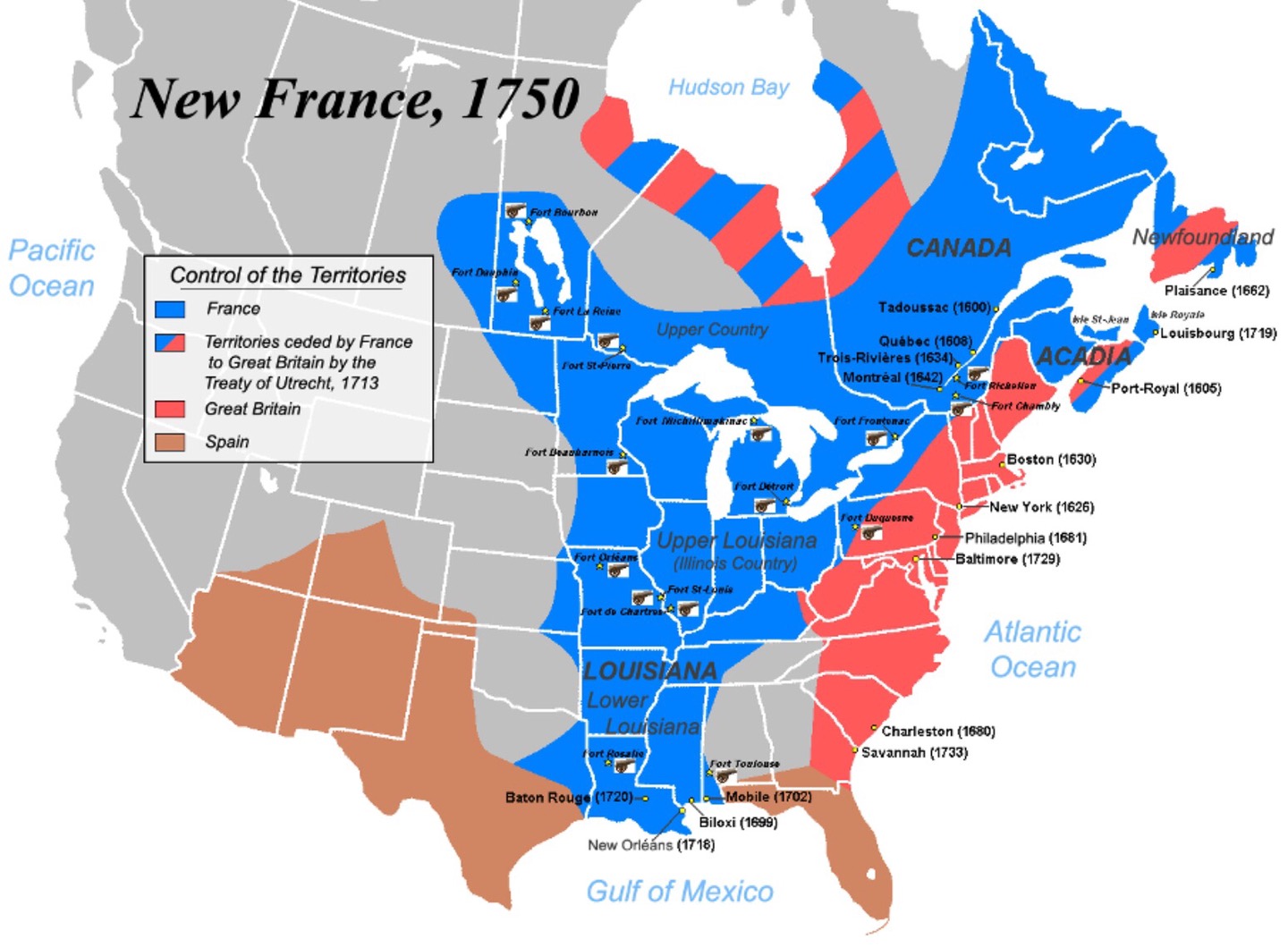

The English Colonisation of America is a pivotal chapter in world history, marked by significant events, cultural exchanges, and profound impacts on both the colonizers and the indigenous populations. This period, spanning from the late 16th to the early 18th century, saw the establishment of British colonies along the eastern coast of North America, which eventually evolved into the United States. Understanding the English Colonisation of America involves delving into the motivations, challenges, and consequences of this historical process.
The Motivations Behind English Colonisation
The English Colonisation of America was driven by a multitude of factors, including economic, religious, and political motivations. The quest for wealth and resources was a primary driver. England sought to establish colonies to exploit the natural resources of the New World, such as timber, furs, and precious metals. Additionally, the English were motivated by the desire to expand their trade networks and establish new markets for their goods.
Religious freedom was another significant factor. Many English settlers, particularly the Puritans and Quakers, sought refuge from religious persecution in England. The New World offered a place where they could practice their faith freely and establish communities based on their religious principles. This religious motivation led to the founding of colonies like Massachusetts Bay and Pennsylvania.
Political considerations also played a role. The English Colonisation of America was part of a broader geopolitical strategy to counter the influence of other European powers, such as Spain and France. By establishing colonies in North America, England aimed to secure strategic advantages and expand its global empire.
The Early Colonies
The first successful English colony in America was established at Jamestown, Virginia, in 1607. The colony faced numerous challenges, including harsh living conditions, disease, and conflicts with Native American tribes. Despite these hardships, Jamestown survived and became a model for future English settlements.
Other notable early colonies include Plymouth, founded by the Pilgrims in 1620, and Massachusetts Bay, established by the Puritans in 1630. These colonies were characterized by their strong religious and communal values, which shaped their governance and social structures. The Pilgrims, for example, established a system of self-governance based on the Mayflower Compact, while the Puritans created a theocratic society in Massachusetts Bay.
In addition to these settlements, the English also established colonies in the Carolinas, Maryland, and New York. Each of these colonies had its unique characteristics and challenges, but they all contributed to the broader English Colonisation of America.
The Middle Colonies
The Middle Colonies, which included New York, New Jersey, Pennsylvania, and Delaware, were known for their diversity and economic prosperity. These colonies were characterized by a mix of religious and ethnic groups, including Dutch, Swedish, and German settlers, as well as English Quakers and other religious minorities.
New York, originally a Dutch colony known as New Amsterdam, was captured by the English in 1664 and renamed. The colony became a hub for trade and commerce, benefiting from its strategic location on the Hudson River. New Jersey, originally part of New York, was granted to two proprietors in 1664 and became a separate colony in 1702. It was known for its fertile land and agricultural productivity.
Pennsylvania, founded by William Penn in 1681, was established as a haven for Quakers and other religious dissenters. The colony was known for its religious tolerance and progressive governance, which attracted a diverse population. Delaware, originally part of Pennsylvania, became a separate colony in 1704 and was known for its agricultural and maritime industries.
The Southern Colonies
The Southern Colonies, which included Virginia, Maryland, North Carolina, South Carolina, and Georgia, were characterized by their agricultural economies and reliance on slave labor. These colonies were established primarily for economic gain, with a focus on the cultivation of cash crops such as tobacco, rice, and indigo.
Virginia, the first successful English colony, became a major producer of tobacco. The colony's economy was heavily dependent on slave labor, which led to the development of a plantation system. Maryland, founded by Lord Baltimore in 1634, was established as a refuge for English Catholics. The colony was known for its tobacco plantations and religious tolerance.
North Carolina and South Carolina were originally part of the same colony but were separated in 1712. North Carolina was known for its timber and naval stores, while South Carolina became a major producer of rice and indigo. Georgia, the last of the Southern Colonies to be established, was founded in 1732 by James Oglethorpe as a buffer between Spanish Florida and the other English colonies. The colony was known for its agricultural and maritime industries.
The Impact of English Colonisation on Native American Populations
The English Colonisation of America had a profound impact on the indigenous populations of North America. The arrival of European settlers brought about significant changes in the social, economic, and cultural landscapes of the Native American tribes. These changes were often detrimental to the indigenous populations, leading to displacement, disease, and conflict.
One of the most devastating impacts was the introduction of European diseases, such as smallpox and measles, which decimated Native American populations. These diseases, to which the indigenous people had no immunity, spread rapidly and caused widespread death and suffering. The loss of life weakened the social and political structures of many Native American tribes, making them more vulnerable to European colonization.
Conflict and warfare were also significant aspects of the English Colonisation of America. The English settlers often clashed with Native American tribes over land, resources, and cultural differences. These conflicts, such as King Philip's War and the Yamasee War, resulted in significant loss of life and displacement for both the settlers and the indigenous populations.
Cultural exchange and assimilation were also part of the English Colonisation of America. The interaction between European settlers and Native American tribes led to the exchange of knowledge, technologies, and cultural practices. However, this exchange was often unequal, with European culture and values dominating. Many Native American tribes were forced to adopt European ways of life, leading to the erosion of their traditional cultures and identities.
In summary, the English Colonisation of America had a profound and lasting impact on the indigenous populations of North America. The introduction of European diseases, conflict and warfare, and cultural exchange and assimilation all played significant roles in shaping the lives of Native American tribes during this period.
The Legacy of English Colonisation
The English Colonisation of America left a lasting legacy that continues to shape the United States today. The political, economic, and cultural institutions established during the colonial period laid the foundation for the modern American nation. The principles of self-governance, religious freedom, and individual rights that were developed in the colonies continue to influence American society and politics.
Economically, the English Colonisation of America established a system of agriculture and trade that continues to be important today. The cultivation of cash crops such as tobacco, rice, and indigo, as well as the development of maritime industries, laid the groundwork for the modern American economy. The reliance on slave labor during the colonial period also had a lasting impact on American society, shaping the institution of slavery and the subsequent struggles for civil rights.
Culturally, the English Colonisation of America brought about a blend of European and indigenous influences that continue to shape American culture. The interaction between European settlers and Native American tribes led to the exchange of knowledge, technologies, and cultural practices. This cultural exchange has resulted in a rich and diverse American culture that reflects the contributions of many different groups.
In conclusion, the English Colonisation of America was a complex and multifaceted process that had profound and lasting impacts on both the colonizers and the indigenous populations. The motivations, challenges, and consequences of this historical period continue to shape the United States today, making it an essential subject of study for anyone interested in American history and culture.
📚 Note: The English Colonisation of America is a vast and complex topic with many different perspectives and interpretations. This blog post provides a general overview of the key events, motivations, and impacts of this historical period. For a more detailed and nuanced understanding, further reading and research are recommended.
Related Terms:
- when did britain colonize america
- reasons why england colonized america
- early english colonies in america
- why did england colonize america
- did the british found america
- colonial settlement in the 1600s