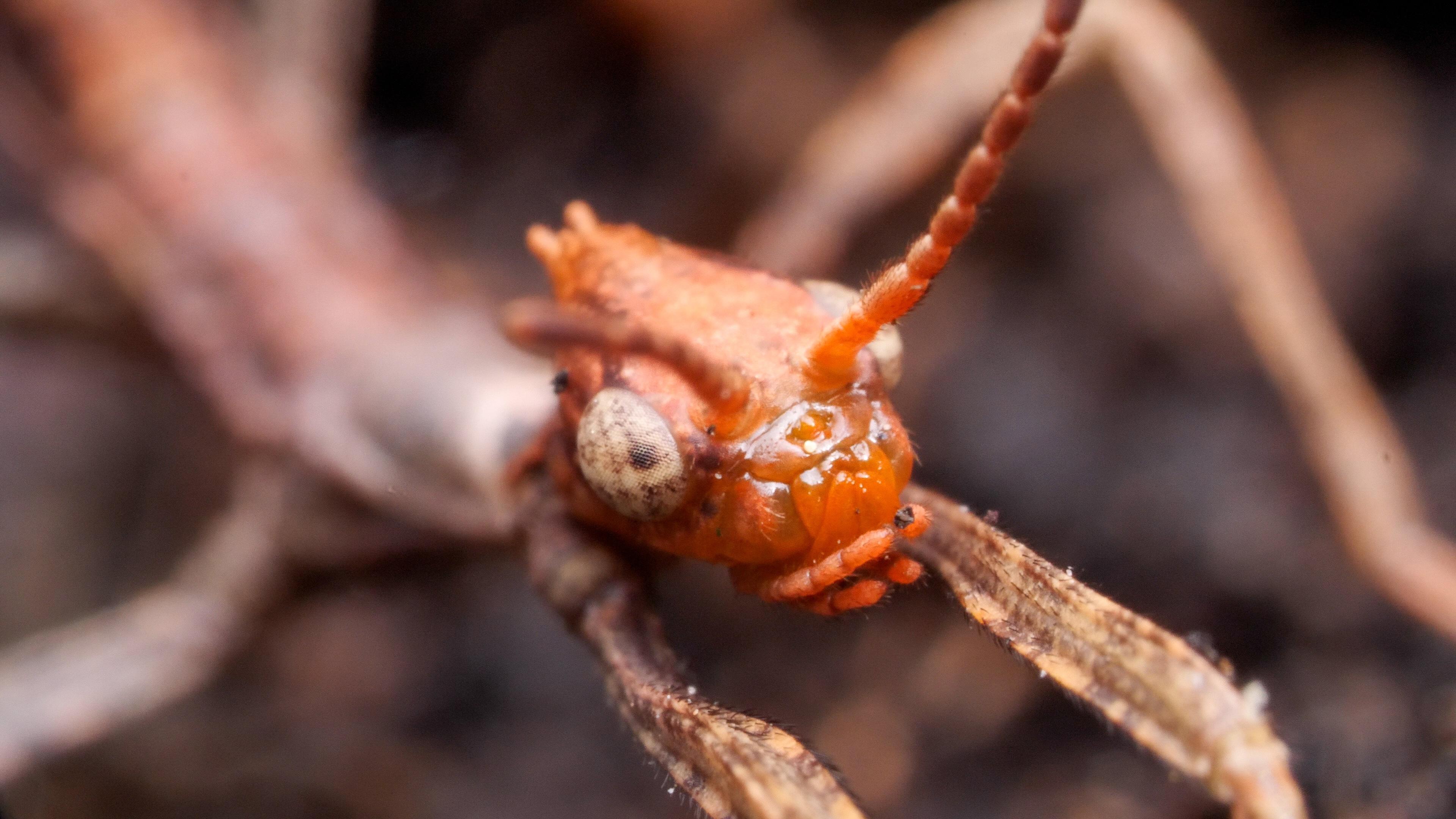

Stick bugs, also known as walking sticks, are fascinating creatures that have captivated the interest of entomologists and nature enthusiasts alike. These insects are renowned for their unique appearance, which allows them to blend seamlessly into their surroundings. However, one question that often arises among those who encounter these creatures is: Do stick bugs bite? This question is not only intriguing but also important for understanding the behavior and potential risks associated with these insects.
Understanding Stick Bugs
Stick bugs are part of the order Phasmatodea, which includes over 3,000 species worldwide. They are known for their elongated bodies that resemble twigs or leaves, making them excellent at camouflage. This adaptation helps them avoid predators and is a key survival strategy in their natural habitats.
Stick bugs are generally harmless to humans. They do not have venomous bites or stings, and their primary defense mechanism is their ability to blend into their environment. However, there are a few species that can deliver a mild pinch if handled roughly, but this is not a bite in the traditional sense.
Do Stick Bugs Bite?
The short answer is no, stick bugs do not bite in the way that mosquitoes, ticks, or other biting insects do. Stick bugs are herbivorous, meaning they feed on plant material such as leaves, twigs, and bark. Their mouthparts are designed for chewing plant matter, not for piercing skin.
However, there are a few misconceptions and rare instances that might lead some to believe stick bugs can bite. For example, some species of stick bugs have spines or sharp edges on their legs that can cause a minor pinch if the insect feels threatened and is handled roughly. This is not a bite but rather a defensive reaction.
Defensive Mechanisms of Stick Bugs
Stick bugs have several defensive mechanisms to protect themselves from predators. These include:
- Camouflage: Their twig-like appearance helps them blend into their surroundings, making them nearly invisible to predators.
- Mimicry: Some species can mimic the movements of twigs or leaves, further enhancing their camouflage.
- Autotomy: The ability to detach a leg or part of their body to escape a predator. The detached part can continue to twitch, distracting the predator while the stick bug escapes.
- Chemical Defense: Some species can release a foul-smelling or bad-tasting substance to deter predators.
While these mechanisms are effective, they do not involve biting. The primary goal of these defenses is to avoid or escape predators without engaging in direct combat.
Handling Stick Bugs
If you encounter a stick bug and are curious about handling it, there are a few guidelines to follow to ensure the safety of both you and the insect:
- Handle with care: Stick bugs are delicate creatures and can be easily injured if handled roughly.
- Avoid sudden movements: Sudden movements can startle the insect and cause it to react defensively.
- Wash your hands: After handling a stick bug, wash your hands thoroughly to remove any potential irritants or allergens.
It's important to note that while stick bugs are generally harmless, some people may have allergic reactions to their defensive secretions. If you experience any adverse reactions after handling a stick bug, seek medical attention.
📌 Note: Always respect the natural habitat of stick bugs and avoid disturbing them unnecessarily. If you find a stick bug in your home, it's best to gently relocate it outdoors rather than attempting to keep it as a pet.
Common Species of Stick Bugs
There are many species of stick bugs, each with its unique characteristics and adaptations. Some of the most common species include:
| Species | Description | Habitat |
|---|---|---|
| Indian Stick Insect (Carausius morosus) | One of the most common pet species, known for its docile nature and ease of care. | Tropical and subtropical regions of Asia. |
| Spiny Stick Insect (Extatosoma tiaratum) | Known for its spiny appearance and ability to release a foul-smelling substance when threatened. | Eastern Australia. |
| Giant Prickly Stick Insect (Eurycantha calcarata) | A large species with a prickly appearance, often kept as a pet due to its unique look. | Eastern Australia. |
These species are just a few examples of the diverse world of stick bugs. Each species has adapted to its environment in unique ways, making them fascinating subjects for study and observation.
Stick Bugs as Pets
Stick bugs are popular pets due to their unique appearance and relatively low maintenance requirements. They are generally easy to care for and can live for several years with proper care. However, it's important to understand their needs and behaviors before deciding to keep one as a pet.
Some key points to consider when keeping stick bugs as pets include:
- Housing: Provide a spacious enclosure with plenty of branches and leaves for the stick bug to climb and hide.
- Diet: Feed them a variety of leaves and twigs from non-toxic plants. Some popular choices include bramble, oak, and rose leaves.
- Humidity: Maintain appropriate humidity levels, as stick bugs require a humid environment to thrive.
- Temperature: Keep the enclosure at a consistent temperature, typically between 70-80°F (21-27°C).
While stick bugs make interesting pets, it's important to remember that they are wild animals and may not always behave as expected. Always handle them with care and respect their natural behaviors.
📌 Note: Stick bugs are not suitable for children or inexperienced pet owners due to their delicate nature and specific care requirements.
Stick Bugs in Culture and Mythology
Stick bugs have been a part of human culture and mythology for centuries. In some cultures, they are seen as symbols of patience and adaptability, while in others, they are associated with good luck and prosperity. For example, in some Native American traditions, stick bugs are believed to bring good fortune and protection.
In modern times, stick bugs continue to captivate the imagination of people around the world. They are often featured in literature, art, and even video games, where their unique appearance and behaviors are celebrated.
One interesting example is the use of stick bugs in the popular video game series "Pokémon," where a character named "Stick Bug" is based on these fascinating insects. This further highlights the cultural significance and appeal of stick bugs.
Stick bugs are also a popular subject for scientific research, particularly in the fields of entomology and ecology. Their unique adaptations and behaviors make them valuable subjects for studying evolution, camouflage, and predator-prey interactions.
In conclusion, stick bugs are fascinating creatures that play an important role in their ecosystems and in human culture. While the question “Do stick bugs bite?” is often asked, the answer is clear: stick bugs do not bite in the traditional sense. Their primary defense mechanisms are designed to avoid predators rather than engage in direct combat. Understanding these insects and their behaviors can help us appreciate their unique adaptations and the important role they play in the natural world.
Related Terms:
- are stick bugs dangerous
- are stick bugs harmless
- do stick bugs have wings
- what do stick bugs eat
- bugs that look like sticks
- are stick bugs poisonous