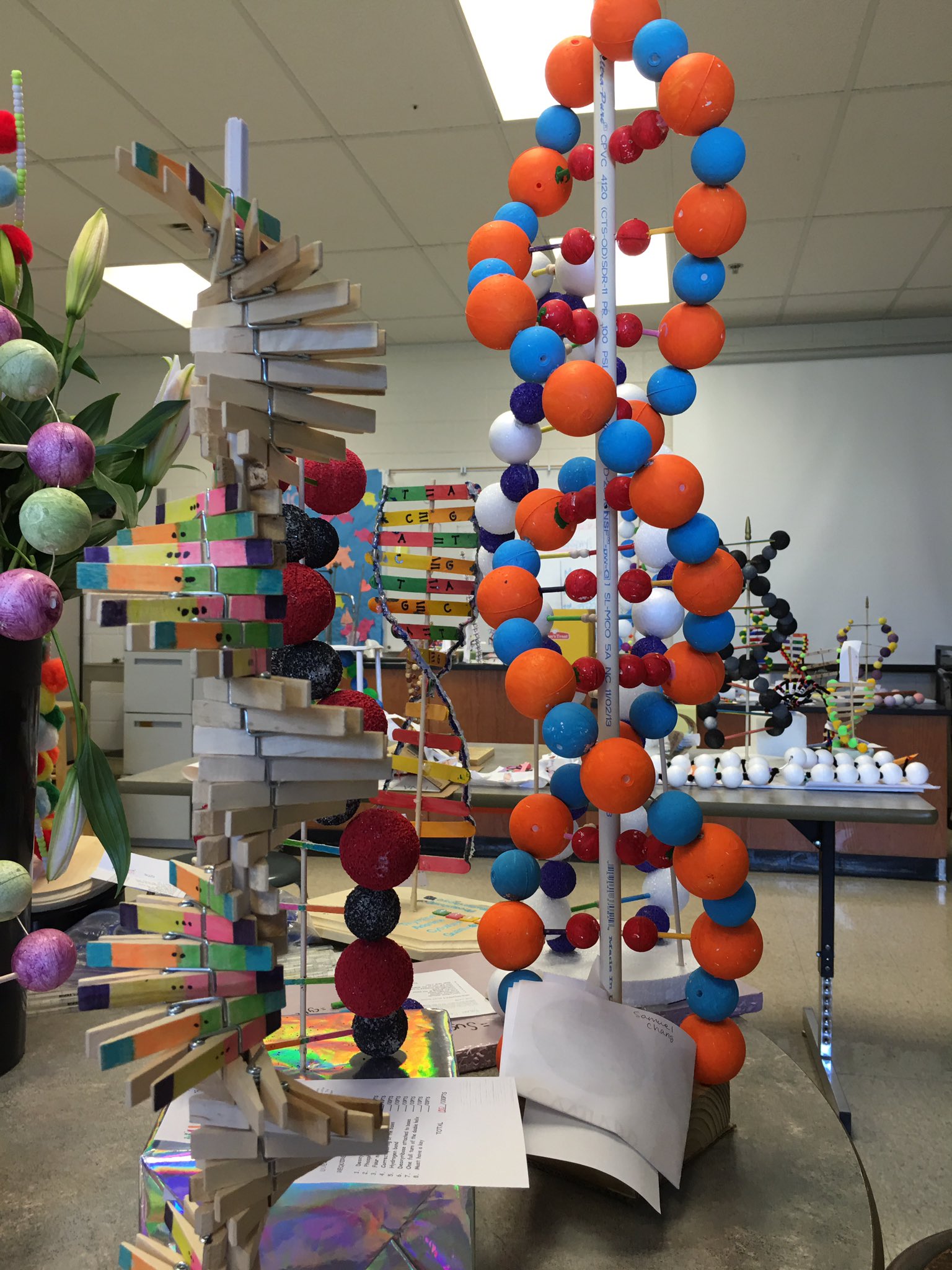

Embarking on a DNA Model Project can be an exciting journey into the world of molecular biology and computational modeling. This project involves creating a three-dimensional model of a DNA molecule, which can be used for various purposes, including educational demonstrations, scientific research, and even artistic representations. Whether you are a student, a researcher, or an enthusiast, understanding the steps and tools involved in a DNA Model Project can help you achieve your goals effectively.
Understanding DNA Structure
Before diving into the DNA Model Project, it is essential to understand the basic structure of DNA. DNA, or deoxyribonucleic acid, is a complex molecule that carries the genetic instructions for the development, functioning, growth, and reproduction of all known living organisms. The structure of DNA is often compared to a twisted ladder, known as a double helix. This structure consists of two strands that are held together by hydrogen bonds between complementary bases: adenine (A) pairs with thymine (T), and cytosine © pairs with guanine (G).
Tools and Materials for a DNA Model Project
To create a DNA Model Project, you will need a variety of tools and materials. The choice of tools depends on the complexity and purpose of your model. Here are some common tools and materials:
- Molecular Modeling Kits: These kits come with pre-made components that can be assembled to form a DNA model. They are ideal for educational purposes and are often used in classrooms.
- 3D Printing: For a more advanced and customizable model, 3D printing can be used. You will need a 3D printer, modeling software, and filament or resin.
- Computer Software: Software like PyMOL, Chimera, or VMD can be used to create and visualize DNA models on a computer. These tools are useful for scientific research and detailed analysis.
- Basic Craft Materials: For a simple and cost-effective model, you can use materials like pipe cleaners, beads, and cardboard. These materials are readily available and can be assembled easily.
Steps to Create a DNA Model
Creating a DNA Model Project involves several steps, from planning to assembly. Here is a detailed guide to help you through the process:
Planning Your Model
Before you start building your model, it is crucial to plan the design and purpose. Consider the following factors:
- Purpose: Determine whether your model is for educational, research, or artistic purposes.
- Scale: Decide on the scale of your model. A larger scale will provide more detail but may be more challenging to build.
- Materials: Choose the materials based on your budget, skills, and the complexity of the model.
Gathering Materials
Once you have a plan, gather all the necessary materials. If you are using a molecular modeling kit, ensure you have all the components. For 3D printing, you will need the design files and printing materials. For craft materials, collect items like pipe cleaners, beads, and cardboard.
Building the Model
The process of building the model will vary depending on the tools and materials you are using. Here are some general steps:
- Assembly: Follow the instructions provided with your molecular modeling kit or design files for 3D printing. If using craft materials, start by creating the backbone of the DNA strands using pipe cleaners or cardboard.
- Adding Bases: Attach the complementary bases to the backbone. Use beads or small pieces of cardboard to represent the bases.
- Twisting the Helix: Twist the strands to form the double helix shape. Ensure the bases are correctly paired and the strands are evenly twisted.
- Finishing Touches: Add any final details, such as labels for the bases or a stand to display the model.
📝 Note: If you are using 3D printing, ensure your design files are accurate and optimized for printing. Test print small sections to check for any issues before printing the entire model.
Visualizing DNA Models with Software
For a more detailed and interactive DNA Model Project, you can use computer software to visualize DNA structures. Software like PyMOL, Chimera, and VMD are powerful tools that allow you to create, manipulate, and analyze DNA models. These tools are particularly useful for scientific research and educational purposes.
Choosing the Right Software
Selecting the right software depends on your specific needs and expertise. Here is a brief overview of some popular options:
- PyMOL: Known for its user-friendly interface and powerful visualization capabilities, PyMOL is widely used in academic and research settings.
- Chimera: Developed by the Resource for Biocomputing, Visualization, and Informatics (RBVI) at the University of California, San Francisco, Chimera offers a comprehensive set of tools for molecular visualization and analysis.
- VMD (Visual Molecular Dynamics): VMD is a highly versatile tool that supports a wide range of molecular visualization and analysis tasks. It is particularly useful for simulating and analyzing molecular dynamics.
Creating and Visualizing DNA Models
Once you have chosen the software, follow these steps to create and visualize DNA models:
- Installation: Download and install the software from the official website. Follow the installation instructions provided.
- Loading Structures: Load the DNA structure files into the software. These files are typically in PDB (Protein Data Bank) format.
- Visualization: Use the software’s tools to visualize the DNA structure. You can rotate, zoom, and adjust the display settings to get a clear view of the model.
- Analysis: Perform various analyses, such as measuring distances, angles, and interactions between bases. Use the software’s built-in tools for detailed analysis.
📝 Note: Ensure you have the necessary permissions and licenses to use the software and access the structure files. Some software may require a license for commercial use.
Applications of DNA Models
DNA models have a wide range of applications in various fields. Here are some key areas where DNA Model Projects are particularly useful:
Educational Demonstrations
DNA models are invaluable tools for teaching and learning about molecular biology. They help students visualize the complex structure of DNA and understand its role in genetic information. Models can be used in classrooms, laboratories, and educational exhibits to provide hands-on learning experiences.
Scientific Research
In scientific research, DNA models are used to study the structure and function of DNA molecules. Researchers can use models to analyze genetic sequences, study mutations, and develop new therapies. Advanced visualization tools allow for detailed analysis and simulation of molecular interactions.
Artistic Representations
DNA models can also be used for artistic purposes, creating visually stunning representations of molecular structures. Artists and designers use DNA models to create sculptures, installations, and digital art that explore the beauty and complexity of genetic information.
Challenges and Considerations
While creating a DNA Model Project can be rewarding, it also comes with challenges and considerations. Here are some factors to keep in mind:
Accuracy and Detail
Ensuring the accuracy and detail of your DNA model is crucial, especially for scientific and educational purposes. Use reliable sources and tools to create an accurate representation of the DNA structure. Double-check your model for any errors or inaccuracies.
Time and Resources
Creating a detailed DNA model can be time-consuming and resource-intensive. Plan your project carefully and allocate sufficient time and resources for each step. Consider the complexity of the model and your available resources when planning.
Ethical Considerations
When using DNA models for research or educational purposes, it is essential to consider ethical implications. Ensure that your project complies with ethical guidelines and regulations, especially when dealing with sensitive genetic information.
📝 Note: Always obtain necessary permissions and follow ethical guidelines when using DNA models for research or educational purposes.
Examples of DNA Models
To inspire your DNA Model Project, here are some examples of DNA models created using different tools and materials:
Molecular Modeling Kits
Molecular modeling kits are popular for educational purposes. These kits come with pre-made components that can be assembled to form a DNA model. They are ideal for classrooms and educational exhibits.
3D Printed Models
3D printing allows for the creation of highly detailed and customizable DNA models. These models can be used for scientific research, educational demonstrations, and artistic representations. The table below shows some examples of 3D printed DNA models:
| Model Name | Purpose | Materials |
|---|---|---|
| Double Helix DNA Model | Educational Demonstration | PLA Filament |
| Genetic Sequence Model | Scientific Research | Resin |
| Artistic DNA Sculpture | Artistic Representation | Metal and Glass |
Computer-Generated Models
Computer software like PyMOL, Chimera, and VMD can be used to create and visualize DNA models on a computer. These tools are useful for detailed analysis and simulation of molecular interactions. The images below show examples of computer-generated DNA models:

Creating a DNA Model Project is a fascinating journey into the world of molecular biology and computational modeling. By understanding the structure of DNA, choosing the right tools and materials, and following the steps outlined in this guide, you can create a detailed and accurate DNA model. Whether for educational, research, or artistic purposes, a well-executed DNA Model Project can provide valuable insights and inspire further exploration into the fascinating world of genetics.
Related Terms:
- dna model project paper
- dna model project 3d
- dna model project materials
- dna model school project
- dna model project examples
- 3d dna model project labeled