
The digestive system of poultry is a fascinating and complex network designed to efficiently extract nutrients from feed. Understanding the intricacies of this system is crucial for poultry farmers and veterinarians to ensure the health and productivity of their flocks. This blog post delves into the anatomy, physiology, and key functions of the digestive system of poultry, providing a comprehensive overview for enthusiasts and professionals alike.
The Anatomy of the Digestive System of Poultry
The digestive system of poultry can be divided into several key components, each playing a vital role in the breakdown and absorption of nutrients. These components include the mouth, esophagus, crop, proventriculus, gizzard, small intestine, ceca, and cloaca.
The Mouth and Esophagus
The digestive process begins in the mouth, where poultry use their beaks to grasp and manipulate food. The esophagus is a muscular tube that connects the mouth to the crop, facilitating the passage of food through peristalsis, a series of rhythmic contractions.
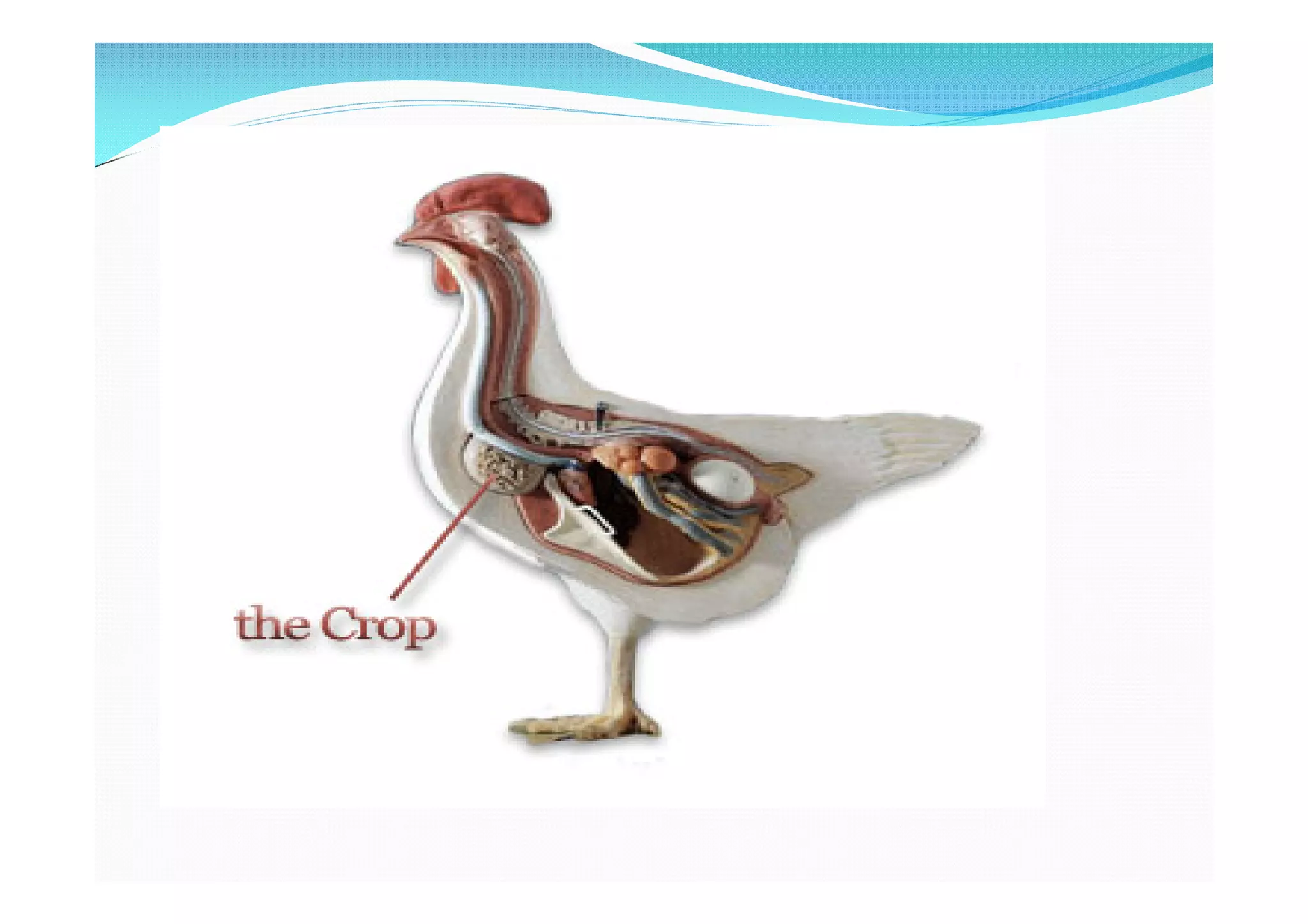
The Crop
The crop is a thin-walled, expandable pouch located at the base of the esophagus. It serves as a temporary storage site for food, allowing poultry to eat large quantities quickly and then digest the food gradually. The crop also plays a role in softening and moistening the feed, making it easier to digest.
The Proventriculus and Gizzard
The proventriculus, or true stomach, is the glandular portion of the stomach where digestive enzymes are secreted. These enzymes, including pepsin and hydrochloric acid, begin the chemical breakdown of proteins. The gizzard, or muscular stomach, follows the proventriculus and is responsible for the mechanical breakdown of food. Poultry swallow small stones and grit, which accumulate in the gizzard and aid in grinding the feed into smaller particles.
The Small Intestine
The small intestine is the primary site of nutrient absorption in the digestive system of poultry. It is divided into three sections: the duodenum, jejunum, and ileum. The duodenum receives digestive enzymes from the pancreas and bile from the liver, which further break down fats, proteins, and carbohydrates. The jejunum and ileum are responsible for the absorption of nutrients into the bloodstream.
The Ceca
The ceca are two blind-ended pouches located at the junction of the small and large intestines. They play a crucial role in the fermentation of undigested carbohydrates and the synthesis of certain vitamins, such as vitamin K and B vitamins. The ceca also harbor a diverse microbiome that aids in digestion and immune function.
The Cloaca
The cloaca is the common opening for the digestive, urinary, and reproductive systems in poultry. It serves as the final exit point for undigested food, urine, and reproductive products. The cloaca is equipped with sphincter muscles that control the release of waste.
The Physiology of the Digestive System of Poultry
The physiology of the digestive system of poultry is characterized by rapid digestion and efficient nutrient absorption. This is essential for meeting the high metabolic demands of poultry, especially in commercial settings where rapid growth and egg production are desired.
Digestive Enzymes
The digestive system of poultry produces a variety of enzymes that break down different types of nutrients. These enzymes include:
- Amylases: Break down carbohydrates into simple sugars.
- Proteases: Break down proteins into amino acids.
- Lipases: Break down fats into fatty acids and glycerol.
Microbiome
The microbiome of the digestive system of poultry plays a critical role in digestion, immune function, and overall health. The microbiome consists of trillions of microorganisms, including bacteria, fungi, and viruses, that reside in the digestive tract. These microorganisms aid in the fermentation of undigested carbohydrates, the synthesis of vitamins, and the protection against pathogenic organisms.
Nutrient Absorption
Nutrient absorption in the digestive system of poultry occurs primarily in the small intestine. The villi and microvilli lining the small intestine provide a large surface area for the absorption of nutrients. The absorbed nutrients are then transported to the liver via the portal vein, where they are processed and distributed to the rest of the body.
Key Functions of the Digestive System of Poultry
The digestive system of poultry performs several key functions that are essential for maintaining health and productivity. These functions include digestion, absorption, excretion, and immune defense.
Digestion
Digestion is the process of breaking down complex nutrients into simpler forms that can be absorbed and utilized by the body. In the digestive system of poultry, digestion occurs through both mechanical and chemical processes. Mechanical digestion involves the physical breakdown of food in the gizzard, while chemical digestion involves the enzymatic breakdown of nutrients in the proventriculus and small intestine.
Absorption
Absorption is the process of transporting nutrients from the digestive tract into the bloodstream. In the digestive system of poultry, absorption occurs primarily in the small intestine, where nutrients are absorbed through the villi and microvilli lining the intestinal wall.
Excretion
Excretion is the process of eliminating undigested food and waste products from the body. In the digestive system of poultry, excretion occurs through the cloaca, which serves as the common opening for the digestive, urinary, and reproductive systems.
Immune Defense
The digestive system of poultry also plays a crucial role in immune defense. The microbiome of the digestive tract helps protect against pathogenic organisms by competing for nutrients and space, producing antimicrobial substances, and stimulating the immune system. The digestive tract is also equipped with immune cells, such as lymphocytes and macrophages, that help defend against infections.
Common Digestive Disorders in Poultry
Despite the efficiency of the digestive system of poultry, various disorders can affect its function and compromise the health and productivity of the flock. Some common digestive disorders in poultry include:
Coccidiosis
Coccidiosis is a parasitic infection caused by protozoa of the genus Eimeria. It affects the intestinal tract, leading to diarrhea, weight loss, and reduced feed efficiency. Coccidiosis is a significant concern in commercial poultry operations and can be managed through vaccination, medication, and good hygiene practices.
Necrotic Enteritis
Necrotic enteritis is a bacterial infection caused by Clostridium perfringens. It affects the small intestine, leading to necrosis (tissue death) and inflammation. Symptoms include diarrhea, reduced feed intake, and sudden death. Management strategies include antibiotic treatment, vaccination, and improved hygiene.
Infectious Bursal Disease
Infectious bursal disease (IBD), also known as Gumboro disease, is a viral infection that affects the bursa of Fabricius, a lymphoid organ involved in immune function. IBD can lead to immunosuppression, making poultry more susceptible to other infections. Symptoms include diarrhea, ruffled feathers, and reduced feed intake. Vaccination is the primary method of prevention.
Maintaining Digestive Health in Poultry
Maintaining digestive health in poultry is essential for ensuring optimal growth, egg production, and overall well-being. Several strategies can be employed to support digestive health, including proper nutrition, hygiene, and management practices.
Proper Nutrition
Providing a balanced and nutritious diet is crucial for maintaining digestive health in poultry. The diet should contain appropriate levels of protein, carbohydrates, fats, vitamins, and minerals to support digestion and nutrient absorption. Additionally, including prebiotics and probiotics in the diet can help promote a healthy microbiome and improve digestive function.
Hygiene
Good hygiene practices are essential for preventing digestive disorders in poultry. This includes regular cleaning and disinfection of housing facilities, providing clean water and feed, and implementing biosecurity measures to prevent the introduction of pathogens. Proper waste management is also crucial to minimize the risk of disease transmission.
Management Practices
Effective management practices can significantly impact digestive health in poultry. This includes monitoring feed intake, maintaining optimal environmental conditions, and providing adequate space and enrichment to reduce stress. Regular health checks and prompt treatment of any digestive issues are also important for maintaining flock health.
📝 Note: Regular veterinary consultations are essential for early detection and management of digestive disorders in poultry.
In conclusion, the digestive system of poultry is a complex and efficient network designed to extract nutrients from feed and support overall health and productivity. Understanding the anatomy, physiology, and key functions of the digestive system of poultry is crucial for farmers and veterinarians to ensure the well-being of their flocks. By implementing proper nutrition, hygiene, and management practices, digestive health can be maintained, leading to improved growth, egg production, and resistance to diseases.
Related Terms:
- easy chicken digestive system diagrams
- digestive system of hen
- digestion in livestock and poultry
- digestive system of poultry pdf
- digestive system of farm animals
- poultry digestive system diagram