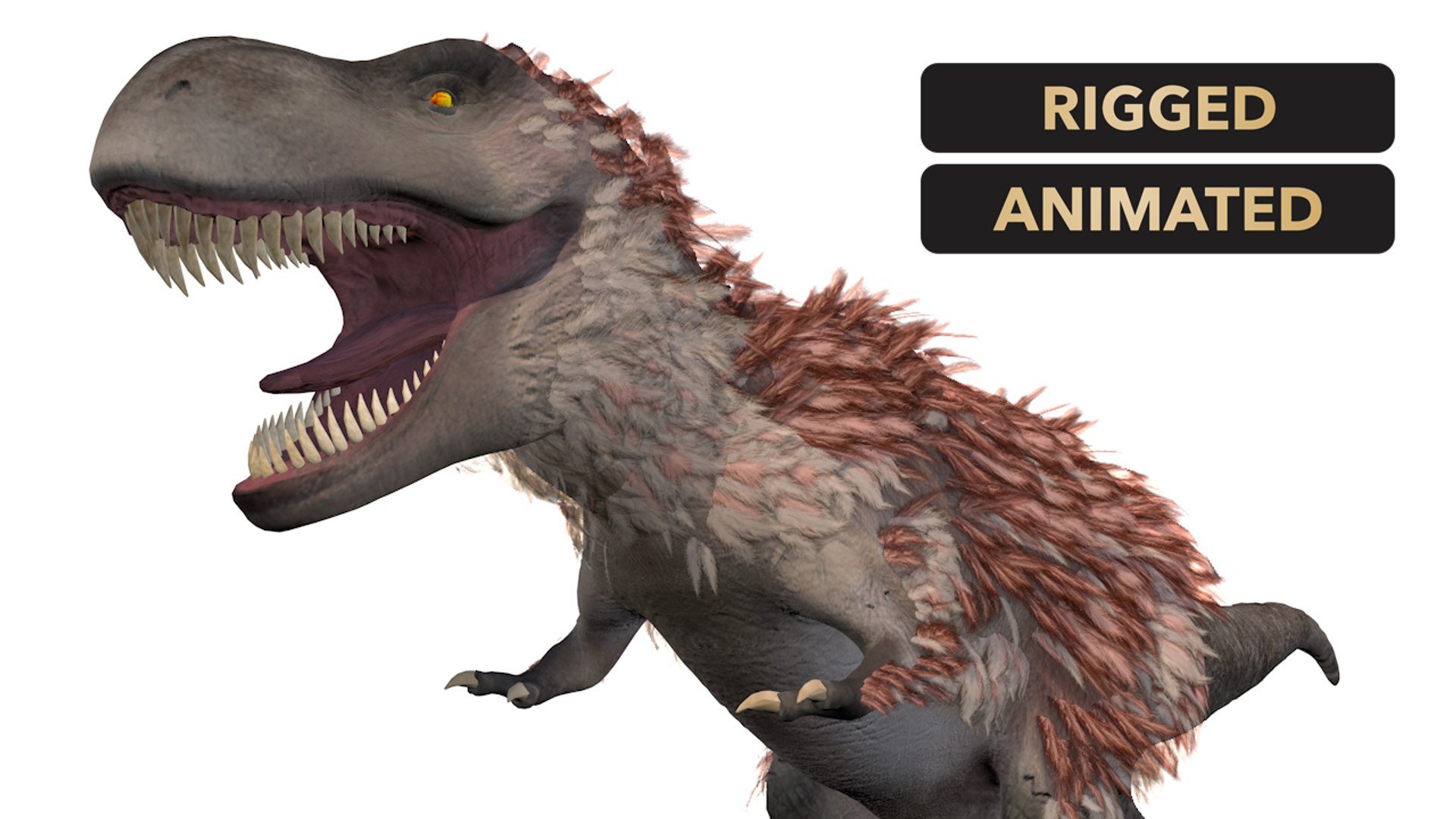

Did Trex Have Feathers? The question of whether the Tyrannosaurus rex, or T. rex, had feathers has been a subject of intense debate and fascination among paleontologists and dinosaur enthusiasts alike. The idea that one of the most iconic and fearsome predators of the Cretaceous period might have been adorned with feathers challenges our traditional perceptions of what a dinosaur should look like. This blog post delves into the scientific evidence, theories, and implications surrounding the question of whether the T. rex had feathers.
Understanding the T. rex
The T. rex is one of the most well-known dinosaurs, thanks in part to its prominent role in popular culture. This massive theropod dinosaur lived during the late Cretaceous period, approximately 68 to 66 million years ago. Known for its powerful jaws, tiny arms, and massive size, the T. rex is often depicted as a scaly, reptilian beast. However, recent discoveries and advancements in paleontology have led scientists to reconsider the appearance of this iconic dinosaur.
The Evolution of Feathers
Feathers are a defining characteristic of modern birds, which are theropod dinosaurs. The evolution of feathers is believed to have occurred gradually over millions of years, starting with simple, hair-like structures called protofeathers. These protofeathers likely served various purposes, including insulation, display, and possibly even flight in some early bird-like dinosaurs.
Over time, these protofeathers evolved into more complex structures, eventually giving rise to the diverse array of feathers seen in modern birds. The presence of feathers in many theropod dinosaurs, including some close relatives of the T. rex, has led scientists to speculate about the possibility that the T. rex itself may have had some form of feathering.
Evidence for Feathers in Theropod Dinosaurs
Several theropod dinosaurs, particularly those closely related to birds, have been found with evidence of feathering. For example, the Sinosauropteryx, a small, feathered dinosaur from the Early Cretaceous period, is one of the earliest known dinosaurs to have clear evidence of feathers. Other feathered dinosaurs include the Velociraptor, the Anchiornis, and the Sinornithosaurus, all of which provide valuable insights into the evolution of feathers in theropod dinosaurs.
These discoveries have led paleontologists to consider the possibility that feathering may have been more widespread among theropod dinosaurs than previously thought. The presence of feathers in these dinosaurs suggests that feathering could have been an ancestral trait, present in many theropod lineages, including those leading to the T. rex.
The Case for a Feathered T. rex
While direct evidence of feathers on the T. rex is currently lacking, several lines of evidence suggest that it is possible. One of the most compelling arguments comes from the study of the T. rex’s close relatives. The T. rex belongs to the group of theropod dinosaurs known as coelurosaurs, which includes many feathered species. The presence of feathers in these close relatives suggests that the T. rex may have also had some form of feathering.
Additionally, the T. rex's small arms, which are often depicted as useless, may have been covered in feathers. Feathers on the arms could have served various purposes, such as insulation, display, or even helping to regulate body temperature. The presence of feathers on the arms of other theropod dinosaurs, such as the Velociraptor, supports the idea that the T. rex may have had similar feathering.
Another piece of evidence comes from the study of the T. rex's skin impressions. While most of the known T. rex specimens show scaly skin, some specimens have been found with what appear to be feather-like structures. These structures, known as quill knobs, are small, bumpy protrusions on the bones where feathers would have attached. The presence of quill knobs in some T. rex specimens suggests that these dinosaurs may have had feathers, at least in certain areas of their bodies.
The Case Against a Feathered T. rex
Despite the evidence suggesting that the T. rex may have had feathers, there are also arguments against this idea. One of the main arguments is the lack of direct evidence. While quill knobs and other feather-like structures have been found in some T. rex specimens, they are not widespread, and many specimens show only scaly skin. This lack of consistent evidence makes it difficult to definitively conclude that the T. rex had feathers.
Another argument against a feathered T. rex is the size of the dinosaur. Feathers are typically associated with smaller, more agile dinosaurs, such as birds and their close relatives. The T. rex, on the other hand, was one of the largest land predators of its time, and it is possible that its massive size made feathering impractical. Feathers may have been too heavy or cumbersome for such a large dinosaur, making it more likely that the T. rex had scaly skin instead.
Additionally, the T. rex's lifestyle and habitat may have influenced its appearance. The T. rex lived in a warm, humid environment, where feathers may not have been necessary for insulation. Instead, the T. rex may have relied on its scaly skin to regulate body temperature and protect it from the elements. This adaptation would have been more practical for a large, active predator like the T. rex.
The Role of Feathers in Dinosaur Behavior
Feathers played a crucial role in the behavior and ecology of many theropod dinosaurs. In addition to providing insulation and aiding in flight, feathers were also used for display, communication, and courtship. The presence of feathers in many theropod dinosaurs suggests that these dinosaurs may have engaged in complex social behaviors, using their feathers to attract mates, signal danger, or establish dominance.
For the T. rex, the presence of feathers could have had similar implications. If the T. rex did have feathers, they may have been used for display or communication, helping the dinosaur to attract mates or establish its dominance over other members of its species. Feathers could have also played a role in the T. rex's hunting behavior, helping it to blend into its environment or signal to potential prey.
However, it is important to note that the role of feathers in the T. rex's behavior is purely speculative. Without direct evidence of feathers in the T. rex, it is difficult to say for certain how these structures may have influenced the dinosaur's behavior and ecology. Further research and the discovery of new fossils may provide more insights into this fascinating question.
The Implications of a Feathered T. rex
The question of whether the T. rex had feathers has significant implications for our understanding of dinosaur evolution and the origins of birds. If the T. rex did have feathers, it would provide further evidence that feathering was a widespread trait among theropod dinosaurs, and that birds are directly descended from these feathered dinosaurs.
Additionally, the presence of feathers in the T. rex would challenge our traditional perceptions of what a dinosaur should look like. The T. rex is often depicted as a scaly, reptilian beast, but the discovery of feathers in this iconic dinosaur would force us to reconsider our ideas about dinosaur appearance and behavior. This would have important implications for how we study and interpret dinosaur fossils, as well as how we depict dinosaurs in popular culture.
Furthermore, the question of whether the T. rex had feathers has important implications for our understanding of the evolution of flight. Feathers are a key adaptation for flight in modern birds, and the presence of feathers in many theropod dinosaurs suggests that these dinosaurs may have been capable of some form of flight or gliding. If the T. rex did have feathers, it is possible that these structures played a role in the evolution of flight in birds.
The Future of T. rex Research
The question of whether the T. rex had feathers is far from settled, and ongoing research continues to shed new light on this fascinating topic. As new fossils are discovered and new technologies are developed, scientists are gaining a better understanding of the T. rex’s appearance, behavior, and ecology. This research is helping to paint a more complete picture of this iconic dinosaur and its place in the evolutionary history of birds.
One area of ongoing research is the study of the T. rex's skin impressions. As more specimens are discovered and studied, scientists are gaining a better understanding of the T. rex's skin texture and appearance. This research may provide new insights into the question of whether the T. rex had feathers, as well as other aspects of the dinosaur's biology and behavior.
Another area of research is the study of the T. rex's close relatives. By comparing the T. rex to other theropod dinosaurs, scientists can gain a better understanding of the evolutionary relationships between these dinosaurs and the origins of birds. This research may provide new insights into the question of whether the T. rex had feathers, as well as other aspects of the dinosaur's biology and behavior.
Additionally, ongoing research is focused on the development of new technologies and techniques for studying dinosaur fossils. Advances in imaging, DNA analysis, and other fields are providing scientists with new tools for studying the T. rex and other dinosaurs. These technologies may help to answer the question of whether the T. rex had feathers, as well as other questions about the dinosaur's biology and behavior.
📝 Note: The study of the T. rex and other dinosaurs is a complex and ongoing process, and new discoveries and insights are constantly emerging. As our understanding of these fascinating creatures continues to evolve, so too will our understanding of the question of whether the T. rex had feathers.
Comparing Theropod Dinosaurs
To better understand the question of whether the T. rex had feathers, it is helpful to compare the T. rex to other theropod dinosaurs. The following table provides a comparison of some key features of the T. rex and other theropod dinosaurs, including their size, diet, and known feathering.
| Dinosaur | Size | Diet | Known Feathering |
|---|---|---|---|
| Tyrannosaurus rex | Up to 40 feet long, 12-13 feet tall | Carnivorous | Possible quill knobs, but mostly scaly skin |
| Velociraptor | Up to 6.8 feet long, 1.6 feet tall | Carnivorous | Feathered arms and body |
| Sinosauropteryx | Up to 3.3 feet long, 1.6 feet tall | Carnivorous | Feathered body |
| Anchiornis | Up to 1.1 feet long, 0.4 feet tall | Carnivorous | Feathered body and wings |
| Sinornithosaurus | Up to 3.3 feet long, 1.1 feet tall | Carnivorous | Feathered body and wings |
This table provides a snapshot of some of the key features of the T. rex and other theropod dinosaurs. While the T. rex is one of the largest and most well-known theropod dinosaurs, it is important to note that many smaller theropods, such as the Velociraptor and the Anchiornis, are known to have had feathers. This comparison highlights the diversity of theropod dinosaurs and the complexity of the question of whether the T. rex had feathers.
As our understanding of these fascinating creatures continues to evolve, so too will our understanding of the question of whether the T. rex had feathers. Ongoing research and the discovery of new fossils are providing scientists with new insights into the biology and behavior of the T. rex and other theropod dinosaurs. These discoveries are helping to paint a more complete picture of the evolutionary history of birds and the origins of flight.
In the meantime, the question of whether the T. rex had feathers remains one of the most intriguing and debated topics in paleontology. As new evidence and insights emerge, scientists and dinosaur enthusiasts alike continue to explore this fascinating question, seeking to uncover the truth about one of the most iconic dinosaurs of all time.
In summary, the question of whether the T. rex had feathers is a complex and multifaceted one, involving a range of scientific evidence, theories, and implications. While direct evidence of feathers in the T. rex is currently lacking, the presence of feathers in many of its close relatives, as well as the discovery of quill knobs in some T. rex specimens, suggests that feathering may have been more widespread among theropod dinosaurs than previously thought. The role of feathers in the T. rex’s behavior and ecology, as well as the implications of a feathered T. rex for our understanding of dinosaur evolution and the origins of birds, are all important considerations in this ongoing debate. As our understanding of these fascinating creatures continues to evolve, so too will our understanding of the question of whether the T. rex had feathers.
Related Terms:
- did dinosaurs have scales
- did t rex have scales
- did velociraptors have feathers
- dinosaurs with feathers
- which dinosaurs have feathers
- which dinosaurs had feathers