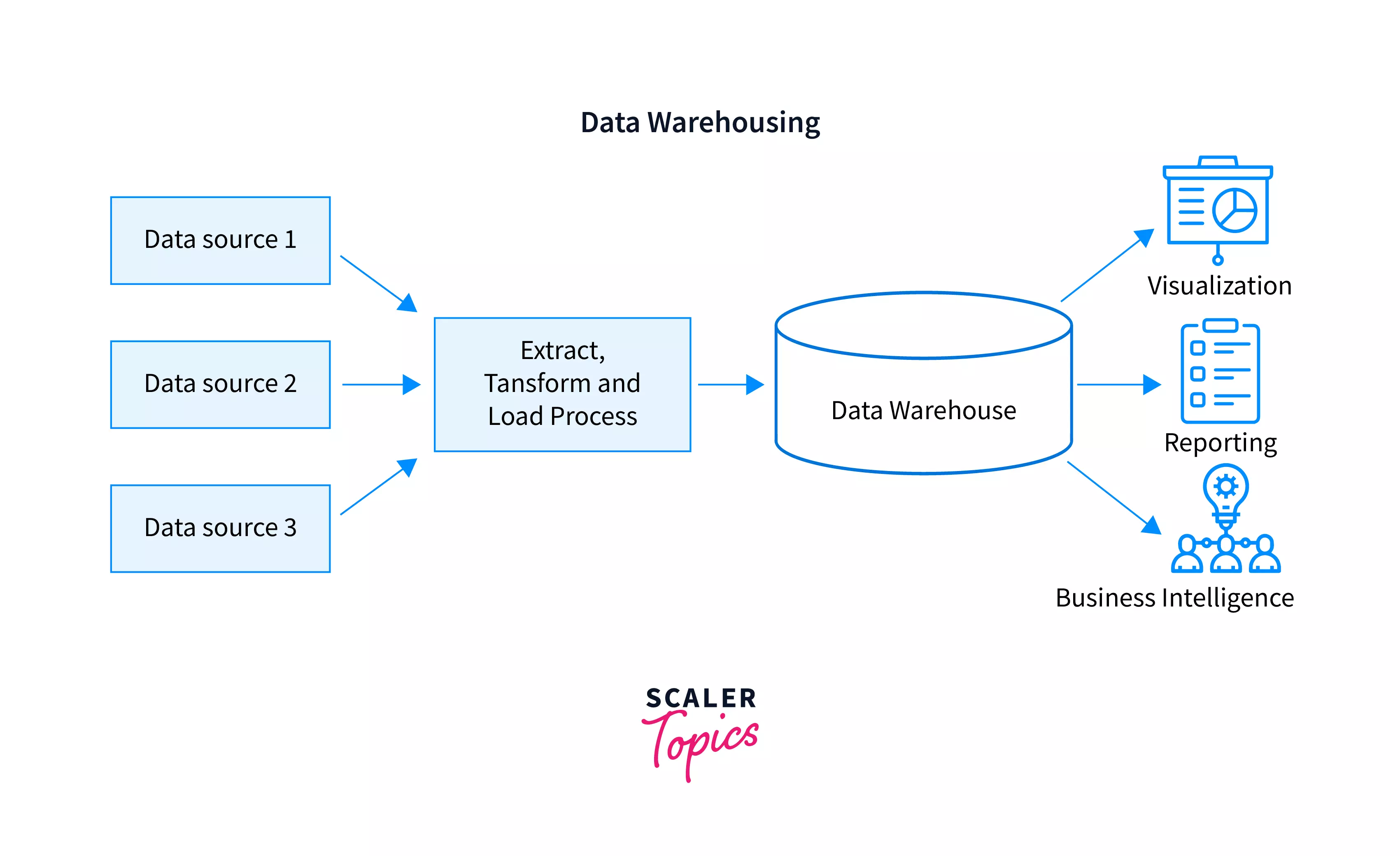

In the realm of data management, the design of a data warehouse is a critical component that ensures efficient data storage, retrieval, and analysis. A well-designed data warehouse can significantly enhance an organization's ability to make data-driven decisions, improve operational efficiency, and gain competitive advantages. This post delves into the intricacies of data warehouse design, exploring key concepts, best practices, and practical steps to create an effective data warehouse.
Understanding Data Warehouse Design
Data warehouse design refers to the process of creating a centralized repository where data from various sources is integrated, stored, and managed. The primary goal is to support business intelligence activities, such as reporting and data analysis. A well-designed data warehouse should be scalable, flexible, and capable of handling large volumes of data efficiently.
There are several key components to consider in data warehouse design:
- Data Sources: Identify the various data sources that will feed into the data warehouse. These can include transactional databases, flat files, external data feeds, and more.
- Data Integration: Ensure that data from different sources is integrated seamlessly. This involves data cleansing, transformation, and loading (ETL) processes.
- Data Storage: Choose the appropriate storage solutions, such as relational databases, NoSQL databases, or cloud-based storage, based on the organization's needs.
- Data Modeling: Design a data model that supports the organization's analytical requirements. Common data models include star schemas, snowflake schemas, and fact constellation schemas.
- Data Access: Provide tools and interfaces for users to access and analyze the data. This can include reporting tools, dashboards, and data mining software.
Key Concepts in Data Warehouse Design
To create an effective data warehouse, it is essential to understand several key concepts:
Data Marts vs. Data Warehouses
A data mart is a smaller, more focused subset of a data warehouse designed to support a specific business function or department. Data marts are often easier and quicker to implement than full-fledged data warehouses but may lack the comprehensive data integration and scalability of a data warehouse.
ETL Processes
ETL (Extract, Transform, Load) processes are crucial for data integration. The extraction phase involves pulling data from various sources. The transformation phase involves cleaning, filtering, and converting data into a suitable format. The loading phase involves inserting the transformed data into the data warehouse.
Data Modeling Techniques
Data modeling is the process of creating a blueprint for the data warehouse. Common data modeling techniques include:
- Star Schema: A simple and widely used schema that consists of a central fact table surrounded by dimension tables. This schema is easy to understand and query.
- Snowflake Schema: An extension of the star schema where dimension tables are normalized into multiple related tables. This schema reduces data redundancy but can be more complex to query.
- Fact Constellation Schema: A more complex schema that consists of multiple fact tables sharing dimension tables. This schema is suitable for organizations with diverse analytical needs.
Data Governance
Data governance involves the policies, procedures, and standards for managing data within the data warehouse. Effective data governance ensures data quality, security, and compliance with regulatory requirements. Key aspects of data governance include:
- Data Quality: Ensuring that data is accurate, complete, and consistent.
- Data Security: Protecting data from unauthorized access and breaches.
- Data Compliance: Adhering to regulatory requirements and industry standards.
Best Practices in Data Warehouse Design
Implementing best practices in data warehouse design can significantly enhance the performance, scalability, and usability of the data warehouse. Here are some key best practices to consider:
Scalability
Design the data warehouse to handle increasing volumes of data and user queries. This involves choosing scalable storage solutions, optimizing data models, and implementing efficient ETL processes.
Flexibility
Ensure that the data warehouse can adapt to changing business requirements. This involves designing a flexible data model, using modular ETL processes, and providing user-friendly data access tools.
Performance Optimization
Optimize the performance of the data warehouse by implementing indexing, partitioning, and caching techniques. Regularly monitor and tune the data warehouse to ensure optimal performance.
Data Quality Management
Implement robust data quality management processes to ensure that data is accurate, complete, and consistent. This involves data cleansing, validation, and monitoring.
Security and Compliance
Ensure that the data warehouse is secure and compliant with regulatory requirements. This involves implementing access controls, encryption, and auditing mechanisms.
Steps to Design a Data Warehouse
Designing a data warehouse involves several steps, from planning to implementation. Here is a detailed guide to help you through the process:
Step 1: Define Business Requirements
Identify the business objectives and analytical needs that the data warehouse will support. This involves:
- Conducting stakeholder interviews to understand their data needs.
- Defining key performance indicators (KPIs) and metrics.
- Identifying the data sources that will feed into the data warehouse.
Step 2: Design the Data Model
Create a data model that supports the identified business requirements. This involves:
- Choosing an appropriate data modeling technique (e.g., star schema, snowflake schema).
- Designing fact and dimension tables.
- Defining relationships between tables.
📝 Note: Ensure that the data model is flexible and can adapt to changing business requirements.
Step 3: Implement ETL Processes
Develop ETL processes to extract, transform, and load data into the data warehouse. This involves:
- Extracting data from various sources.
- Transforming data to ensure consistency and quality.
- Loading data into the data warehouse.
Step 4: Choose Storage Solutions
Select appropriate storage solutions based on the organization's needs. This involves:
- Choosing between relational databases, NoSQL databases, or cloud-based storage.
- Considering factors such as scalability, performance, and cost.
- Implementing indexing, partitioning, and caching techniques to optimize performance.
Step 5: Implement Data Governance
Establish data governance policies and procedures to ensure data quality, security, and compliance. This involves:
- Defining data quality standards and validation rules.
- Implementing access controls and encryption.
- Conducting regular audits and monitoring.
Step 6: Provide Data Access Tools
Provide tools and interfaces for users to access and analyze the data. This involves:
- Implementing reporting tools and dashboards.
- Providing data mining and analytics software.
- Ensuring that data access tools are user-friendly and intuitive.
Step 7: Monitor and Optimize
Regularly monitor the performance of the data warehouse and optimize as needed. This involves:
- Monitoring data quality and integrity.
- Optimizing ETL processes and data models.
- Conducting regular performance tuning and maintenance.
📝 Note: Continuous monitoring and optimization are essential to ensure the long-term success of the data warehouse.
Data Warehouse Design Considerations
When designing a data warehouse, there are several considerations to keep in mind to ensure its effectiveness and efficiency. These considerations include:
Data Volume and Velocity
Consider the volume and velocity of data that the data warehouse will handle. This involves:
- Choosing scalable storage solutions.
- Implementing efficient ETL processes.
- Optimizing data models for performance.
Data Variety
Consider the variety of data sources and formats that will feed into the data warehouse. This involves:
- Designing a flexible data model.
- Implementing robust data integration processes.
- Ensuring data consistency and quality.
Data Latency
Consider the latency requirements for data availability. This involves:
- Choosing real-time or batch ETL processes.
- Optimizing data models for quick retrieval.
- Implementing caching and indexing techniques.
Data Security
Consider the security requirements for protecting sensitive data. This involves:
- Implementing access controls and encryption.
- Conducting regular security audits.
- Ensuring compliance with regulatory requirements.
Data Compliance
Consider the compliance requirements for data management. This involves:
- Adhering to industry standards and regulations.
- Implementing data governance policies.
- Conducting regular compliance audits.
Data Warehouse Design Tools
There are several tools available to assist in data warehouse design and implementation. These tools can help streamline the design process, improve data integration, and enhance data analysis. Some popular data warehouse design tools include:
ETL Tools
ETL tools are essential for data integration and transformation. Popular ETL tools include:
- Talend: An open-source ETL tool that supports data integration, data quality, and data governance.
- Pentaho: A comprehensive data integration and business analytics platform.
- Informatica: A leading ETL tool that provides robust data integration and data quality capabilities.
Data Modeling Tools
Data modeling tools help in designing and visualizing data models. Popular data modeling tools include:
- ER/Studio: A powerful data modeling tool that supports both logical and physical data modeling.
- Toad Data Modeler: A comprehensive data modeling tool that supports various database platforms.
- Microsoft Visio: A versatile diagramming tool that can be used for data modeling.
Data Warehouse Management Tools
Data warehouse management tools help in managing and optimizing data warehouses. Popular data warehouse management tools include:
- Amazon Redshift: A fully managed data warehouse service that provides fast query performance and scalability.
- Google BigQuery: A serverless, highly scalable, and cost-effective multi-cloud data warehouse.
- Snowflake: A cloud-based data warehousing solution that provides scalability, flexibility, and performance.
Data Warehouse Design Examples
To illustrate the concepts of data warehouse design, let's consider a few examples:
Retail Data Warehouse
In a retail environment, a data warehouse can help in analyzing sales data, customer behavior, and inventory management. The data warehouse can integrate data from various sources, such as point-of-sale systems, customer relationship management (CRM) systems, and supply chain management (SCM) systems. The data model can include fact tables for sales transactions, customer interactions, and inventory movements, along with dimension tables for time, products, and customers.
Healthcare Data Warehouse
In a healthcare setting, a data warehouse can help in analyzing patient data, clinical outcomes, and operational efficiency. The data warehouse can integrate data from electronic health records (EHRs), billing systems, and clinical research databases. The data model can include fact tables for patient encounters, clinical procedures, and billing transactions, along with dimension tables for patients, providers, and diagnoses.
Financial Services Data Warehouse
In the financial services industry, a data warehouse can help in analyzing customer transactions, risk management, and regulatory compliance. The data warehouse can integrate data from banking systems, trading platforms, and regulatory reporting systems. The data model can include fact tables for customer transactions, risk events, and regulatory reports, along with dimension tables for customers, products, and time.
These examples illustrate how data warehouse design can be tailored to meet the specific needs of different industries and business functions.
In conclusion, data warehouse design is a critical component of data management that ensures efficient data storage, retrieval, and analysis. By understanding key concepts, implementing best practices, and following a structured approach, organizations can create effective data warehouses that support business intelligence activities and drive data-driven decision-making. The design process involves defining business requirements, designing the data model, implementing ETL processes, choosing storage solutions, implementing data governance, providing data access tools, and monitoring and optimizing the data warehouse. By considering factors such as data volume, variety, latency, security, and compliance, organizations can ensure the long-term success of their data warehouses. With the right tools and techniques, data warehouse design can significantly enhance an organization’s ability to leverage data for competitive advantage.
Related Terms:
- data warehouse design and implementation
- 5 examples of data warehouse
- data warehouse design process steps
- design guidelines for data warehouse
- data warehouse design examples