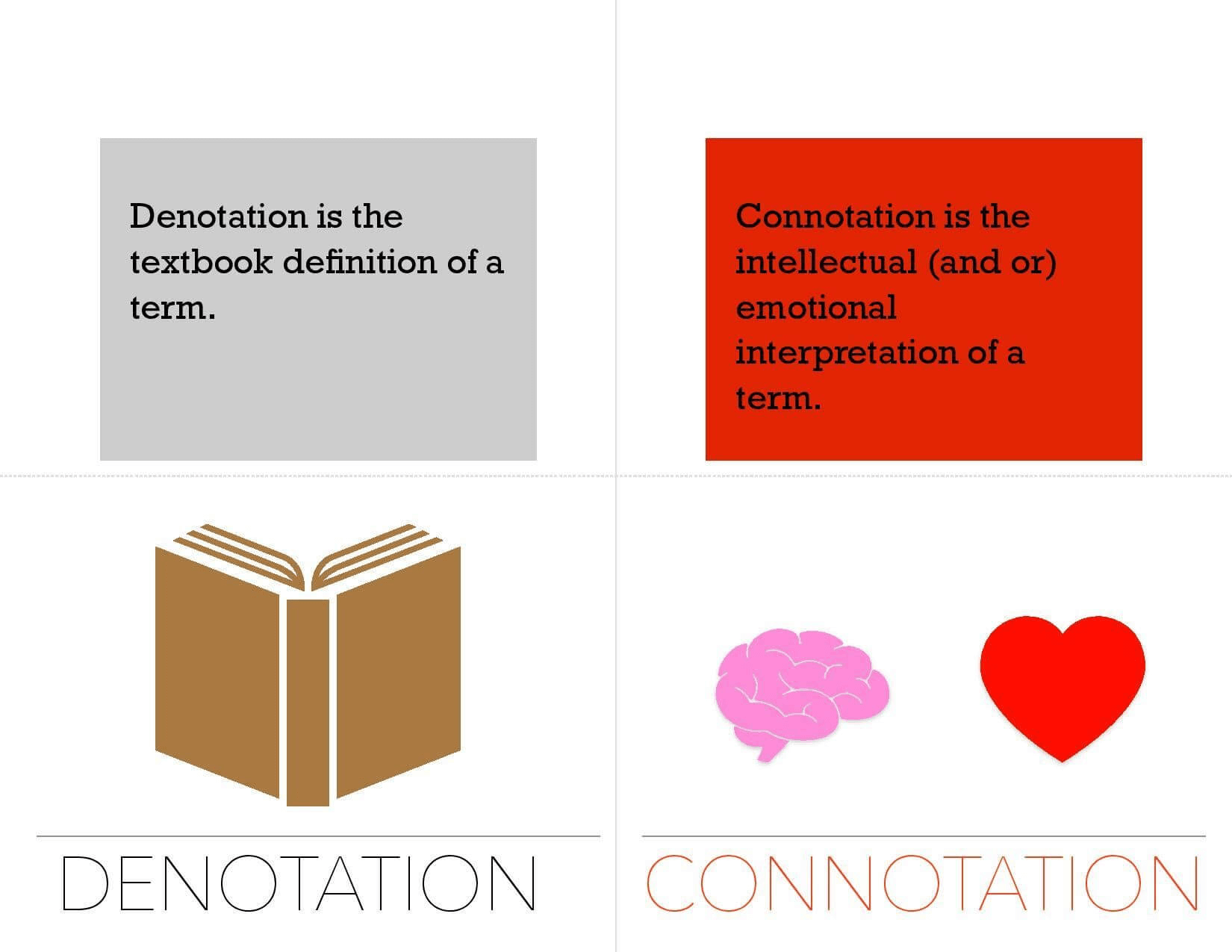

Language is a powerful tool that shapes our perceptions and interactions. It is through language that we convey thoughts, emotions, and ideas. However, the meaning of words is not always straightforward. The concept of Connotation Versus Denotation is crucial in understanding how language works and how it can influence our communication. Denotation refers to the literal or dictionary definition of a word, while connotation encompasses the emotional, cultural, and personal associations that a word carries. This distinction is fundamental in various fields, including literature, marketing, and everyday communication.
Understanding Denotation
Denotation is the explicit, literal meaning of a word. It is the definition you would find in a dictionary. For example, the denotation of the word “home” is a place where one lives. This definition is straightforward and universally understood. Denotation provides the basic framework for communication, ensuring that we can convey information accurately and clearly.
Exploring Connotation
Connotation, on the other hand, is more nuanced and subjective. It refers to the emotional, cultural, and personal associations that a word carries. For instance, the word “home” can evoke feelings of warmth, comfort, and security for some, while for others, it might bring up memories of conflict or loneliness. Connotations can vary widely based on individual experiences, cultural backgrounds, and personal beliefs.
The Importance of Connotation Versus Denotation
The distinction between connotation and denotation is vital in various contexts. In literature, authors often use connotations to create depth and emotional resonance in their writing. For example, in poetry, the choice of words can evoke powerful emotions and imagery. In marketing, understanding connotations can help create effective advertising campaigns that resonate with the target audience. In everyday communication, being aware of connotations can prevent misunderstandings and enhance clarity.
Connotation Versus Denotation in Literature
In literature, the use of connotation versus denotation is a powerful tool for authors. By carefully selecting words with specific connotations, authors can create rich, layered narratives that engage readers on multiple levels. For example, consider the following sentences:
- “The house was old and dilapidated.”
- “The house was ancient and full of character.”
Both sentences describe the same physical state of a house, but the connotations of the words “dilapidated” versus “ancient and full of character” create very different emotional responses. The first sentence evokes feelings of neglect and decay, while the second suggests a sense of history and charm.
Connotation Versus Denotation in Marketing
In marketing, understanding the connotations of words is crucial for creating effective messaging. Brands often use words with positive connotations to evoke desirable emotions and associations. For example, a company might describe its products as “luxurious” rather than “expensive” to create a sense of prestige and exclusivity. Similarly, using words like “natural” and “organic” can appeal to consumers who value health and sustainability.
Connotation Versus Denotation in Everyday Communication
In everyday communication, being aware of connotations can help prevent misunderstandings and enhance clarity. For instance, consider the following phrases:
- “She is very assertive.”
- “She is very aggressive.”
Both phrases describe someone who is confident and direct, but the connotations of “assertive” versus “aggressive” are very different. “Assertive” has a positive connotation, suggesting confidence and self-assurance, while “aggressive” has a negative connotation, implying hostility and confrontation.
Connotation Versus Denotation in Different Languages
The concept of connotation versus denotation is not limited to English. Different languages have their own unique connotations and denotations. For example, in Spanish, the word “casa” has the same denotation as the English word “home,” but it may carry different connotations based on cultural and personal experiences. Understanding these nuances can be crucial for effective cross-cultural communication.
Connotation Versus Denotation in Advertising
Advertising relies heavily on the use of connotations to create compelling messages. Advertisers often use words with positive connotations to evoke desirable emotions and associations. For example, a car advertisement might describe a vehicle as “spacious” rather than “large” to create a sense of comfort and luxury. Similarly, using words like “reliable” and “durable” can appeal to consumers who value quality and longevity.
Connotation Versus Denotation in Politics
In politics, the use of connotations can significantly influence public opinion. Politicians often use words with specific connotations to frame issues and sway voters. For example, describing a policy as “progressive” versus “radical” can evoke very different responses. “Progressive” has a positive connotation, suggesting forward-thinking and innovation, while “radical” has a negative connotation, implying extremism and disruption.
Connotation Versus Denotation in Education
In education, understanding connotations can enhance teaching and learning. Teachers can use words with specific connotations to make lessons more engaging and meaningful. For example, describing a historical event as “tragic” versus “unfortunate” can evoke different emotional responses and deepen students’ understanding of the event. Similarly, using words like “challenging” versus “difficult” can motivate students to overcome obstacles and achieve their goals.
Connotation Versus Denotation in Psychology
In psychology, the study of connotations is crucial for understanding human behavior and emotions. Psychologists often analyze the connotations of words to gain insights into a person’s thoughts and feelings. For example, a therapist might ask a client to describe their emotions using specific words to understand the underlying connotations and associations. This can help in diagnosing and treating mental health issues.
Connotation Versus Denotation in Media
In media, the use of connotations can shape public perception and influence opinions. Journalists and media professionals often use words with specific connotations to frame stories and convey messages. For example, describing a protest as “peaceful” versus “disruptive” can evoke different emotional responses and shape public opinion. Similarly, using words like “brave” versus “reckless” can influence how viewers perceive the actions of individuals or groups.
Connotation Versus Denotation in Social Media
In social media, the use of connotations can significantly impact online interactions. Users often use words with specific connotations to express their thoughts and emotions. For example, describing a situation as “funny” versus “ridiculous” can evoke different responses and shape online conversations. Similarly, using words like “inspiring” versus “overwhelming” can influence how others perceive and engage with content.
Connotation Versus Denotation in Business
In business, understanding connotations can enhance communication and decision-making. Business leaders often use words with specific connotations to motivate employees and stakeholders. For example, describing a project as “ambitious” versus “risky” can evoke different emotional responses and influence team morale. Similarly, using words like “innovative” versus “experimental” can shape how others perceive and support new initiatives.
Connotation Versus Denotation in Technology
In technology, the use of connotations can influence user experience and product design. Tech companies often use words with specific connotations to describe their products and features. For example, describing a device as “intuitive” versus “complex” can evoke different emotional responses and influence user satisfaction. Similarly, using words like “efficient” versus “basic” can shape how users perceive and interact with technology.
Connotation Versus Denotation in Art
In art, the use of connotations can create powerful emotional and visual experiences. Artists often use words with specific connotations to convey their messages and evoke emotions. For example, describing a painting as “mysterious” versus “confusing” can evoke different emotional responses and shape viewers’ interpretations. Similarly, using words like “vibrant” versus “garish” can influence how others perceive and appreciate art.
Connotation Versus Denotation in Music
In music, the use of connotations can enhance the emotional impact of lyrics and melodies. Musicians often use words with specific connotations to create meaningful and resonant songs. For example, describing a song as “melancholic” versus “sad” can evoke different emotional responses and shape listeners’ experiences. Similarly, using words like “energetic” versus “loud” can influence how others perceive and enjoy music.
Connotation Versus Denotation in Film
In film, the use of connotations can shape storytelling and character development. Filmmakers often use words with specific connotations to create compelling narratives and evoke emotions. For example, describing a character as “mysterious” versus “enigmatic” can evoke different emotional responses and shape viewers’ perceptions. Similarly, using words like “heroic” versus “brave” can influence how others perceive and engage with characters.
Connotation Versus Denotation in Theater
In theater, the use of connotations can enhance performances and audience engagement. Actors and directors often use words with specific connotations to convey emotions and create meaningful interactions. For example, describing a scene as “intense” versus “dramatic” can evoke different emotional responses and shape viewers’ experiences. Similarly, using words like “poignant” versus “sentimental” can influence how others perceive and appreciate performances.
Connotation Versus Denotation in Dance
In dance, the use of connotations can create powerful emotional and physical experiences. Choreographers and dancers often use words with specific connotations to convey their messages and evoke emotions. For example, describing a dance as “graceful” versus “elegant” can evoke different emotional responses and shape viewers’ interpretations. Similarly, using words like “dynamic” versus “energetic” can influence how others perceive and appreciate dance performances.
Connotation Versus Denotation in Fashion
In fashion, the use of connotations can influence style and trends. Designers and stylists often use words with specific connotations to describe their creations and evoke emotions. For example, describing a garment as “chic” versus “stylish” can evoke different emotional responses and shape viewers’ perceptions. Similarly, using words like “edgy” versus “bold” can influence how others perceive and appreciate fashion.
Connotation Versus Denotation in Food
In the culinary world, the use of connotations can enhance the dining experience. Chefs and food critics often use words with specific connotations to describe dishes and evoke emotions. For example, describing a dish as “delicious” versus “tasty” can evoke different emotional responses and shape diners’ experiences. Similarly, using words like “exquisite” versus “elaborate” can influence how others perceive and appreciate food.
Connotation Versus Denotation in Travel
In travel, the use of connotations can shape experiences and perceptions. Travel writers and guides often use words with specific connotations to describe destinations and evoke emotions. For example, describing a location as “exotic” versus “foreign” can evoke different emotional responses and shape travelers’ expectations. Similarly, using words like “adventurous” versus “risky” can influence how others perceive and engage with travel experiences.
Connotation Versus Denotation in Health and Wellness
In health and wellness, the use of connotations can influence attitudes and behaviors. Health professionals and wellness coaches often use words with specific connotations to motivate and inspire their clients. For example, describing a workout as “challenging” versus “difficult” can evoke different emotional responses and shape clients’ motivation. Similarly, using words like “nourishing” versus “healthy” can influence how others perceive and engage with wellness practices.
Connotation Versus Denotation in Environmentalism
In environmentalism, the use of connotations can shape attitudes and actions. Environmental activists and educators often use words with specific connotations to convey messages and evoke emotions. For example, describing a practice as “sustainable” versus “eco-friendly” can evoke different emotional responses and shape public opinion. Similarly, using words like “conservation” versus “preservation” can influence how others perceive and engage with environmental issues.
Connotation Versus Denotation in Social Issues
In addressing social issues, the use of connotations can influence public perception and action. Advocates and activists often use words with specific connotations to frame issues and sway public opinion. For example, describing a policy as “inclusive” versus “diverse” can evoke different emotional responses and shape public support. Similarly, using words like “justice” versus “fairness” can influence how others perceive and engage with social issues.
Connotation Versus Denotation in Personal Development
In personal development, the use of connotations can enhance self-awareness and growth. Coaches and mentors often use words with specific connotations to motivate and inspire their clients. For example, describing a goal as “ambitious” versus “risky” can evoke different emotional responses and shape clients’ motivation. Similarly, using words like “resilient” versus “tough” can influence how others perceive and engage with personal development.
Connotation Versus Denotation in Relationships
In relationships, the use of connotations can shape interactions and emotions. Partners and friends often use words with specific connotations to express their thoughts and feelings. For example, describing a relationship as “supportive” versus “controlling” can evoke different emotional responses and shape interactions. Similarly, using words like “loving” versus “possessive” can influence how others perceive and engage in relationships.
Connotation Versus Denotation in Conflict Resolution
In conflict resolution, the use of connotations can influence outcomes and perceptions. Mediators and negotiators often use words with specific connotations to frame issues and facilitate resolution. For example, describing a disagreement as “constructive” versus “contentious” can evoke different emotional responses and shape the resolution process. Similarly, using words like “compromise” versus “surrender” can influence how others perceive and engage in conflict resolution.
Connotation Versus Denotation in Leadership
In leadership, the use of connotations can enhance communication and decision-making. Leaders often use words with specific connotations to motivate and inspire their teams. For example, describing a challenge as “opportunity” versus “problem” can evoke different emotional responses and shape team morale. Similarly, using words like “visionary” versus “ambitious” can influence how others perceive and support leadership initiatives.
Connotation Versus Denotation in Creativity
In creativity, the use of connotations can enhance innovation and expression. Artists, writers, and designers often use words with specific connotations to convey their messages and evoke emotions. For example, describing a creation as “unique” versus “unusual” can evoke different emotional responses and shape viewers’ interpretations. Similarly, using words like “inspiring” versus “motivating” can influence how others perceive and appreciate creative works.
Connotation Versus Denotation in Ethics
In ethics, the use of connotations can shape moral judgments and decisions. Philosophers and ethicists often use words with specific connotations to frame issues and convey messages. For example, describing an action as “ethical” versus “moral” can evoke different emotional responses and shape public opinion. Similarly, using words like “justice” versus “fairness” can influence how others perceive and engage with ethical issues.
Connotation Versus Denotation in Philosophy
In philosophy, the use of connotations can enhance understanding and debate. Philosophers often use words with specific connotations to explore complex ideas and convey messages. For example, describing a concept as “existential” versus “philosophical” can evoke different emotional responses and shape discussions. Similarly, using words like “rational” versus “logical” can influence how others perceive and engage with philosophical concepts.
Connotation Versus Denotation in Science
In science, the use of connotations can influence research and communication. Scientists often use words with specific connotations to describe their findings and convey messages. For example, describing a discovery as “groundbreaking” versus “significant” can evoke different emotional responses and shape public perception. Similarly, using words like “innovative” versus “revolutionary” can influence how others perceive and engage with scientific advancements.
Connotation Versus Denotation in Technology
In technology, the use of connotations can shape user experience and product design. Tech companies often use words with specific connotations to describe their products and features. For example, describing a device as “intuitive” versus “complex” can evoke different emotional responses and influence user satisfaction. Similarly, using words like “efficient” versus “basic” can shape how users perceive and interact with technology.
Connotation Versus Denotation in Artificial Intelligence
In artificial intelligence, the use of connotations can influence the development and perception of AI systems. AI researchers and developers often use words with specific connotations to describe their work and convey messages. For example, describing an AI system as “intelligent” versus “smart” can evoke different emotional responses and shape public perception. Similarly, using words like “autonomous” versus “independent” can influence how others perceive and engage with AI technologies.
Connotation Versus Denotation in Machine Learning
In machine learning, the use of connotations can enhance understanding and communication. Machine learning experts often use words with specific connotations to describe their algorithms and models. For example, describing a model as “accurate” versus “precise” can evoke different emotional responses and shape discussions. Similarly, using words like “efficient” versus “optimal” can influence how others perceive and engage with machine learning concepts.
Connotation Versus Denotation in Data Science
In data science, the use of connotations can influence research and communication. Data scientists often use words with specific connotations to describe their findings and convey messages. For example, describing a dataset as “comprehensive” versus “extensive” can evoke different emotional responses and shape public perception. Similarly, using words like “insightful” versus “informative” can influence how others perceive and engage with data science insights.
Connotation Versus Denotation in Cybersecurity
In cybersecurity, the use of connotations can shape perceptions and actions. Cybersecurity professionals often use words with specific connotations to describe threats and solutions. For example, describing a threat as “imminent” versus “urgent” can evoke different emotional responses and shape public awareness. Similarly, using words like “secure” versus “safe” can influence how others perceive and engage with cybersecurity measures.
Connotation Versus Denotation in Blockchain
In blockchain, the use of connotations can influence understanding and adoption. Blockchain experts often use words with specific connotations to describe their technologies and convey messages. For example, describing a blockchain as “decentralized” versus “distributed” can evoke different emotional responses and shape public perception. Similarly, using words like “transparent” versus “open” can influence how others perceive and engage with blockchain technologies.
Connotation Versus Denotation in Cryptocurrency
In cryptocurrency, the use of connotations can shape perceptions and actions. Cryptocurrency enthusiasts and experts often use words with specific connotations to
Related Terms:
- words with denotation and connotation
- denotation and connotation sample
- denotation and connotation in literature
- connotation vs denotation pdf
- connotative vs denotative meaning
- difference between connotation and definition