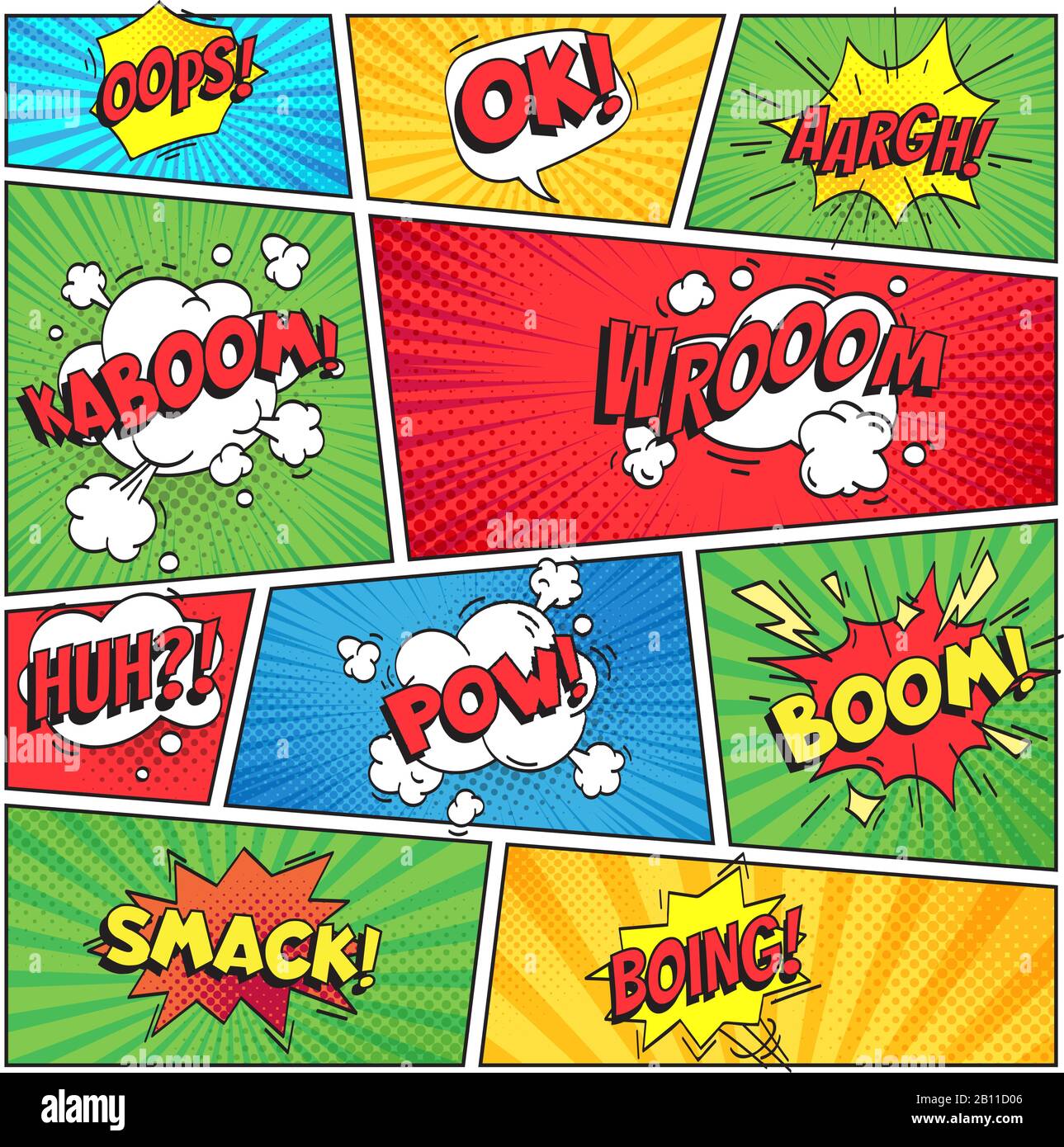

Creating a compelling comic page layout is an art form that combines visual storytelling with design principles. Whether you're a seasoned comic artist or just starting out, understanding the fundamentals of comic page layout can significantly enhance the impact of your work. This guide will walk you through the essential elements of comic page layout, from panel design to pacing and flow, helping you create dynamic and engaging comic pages.
Understanding the Basics of Comic Page Layout
Before diving into the specifics, it's crucial to grasp the basic concepts that underpin effective comic page layout. A well-designed comic page should guide the reader's eye through the story seamlessly, ensuring that each panel flows naturally into the next. Here are some key principles to keep in mind:
- Panel Size and Shape: The size and shape of your panels can greatly influence the pacing and emphasis of your story. Larger panels often draw more attention and can be used to highlight important moments, while smaller panels can speed up the narrative.
- Panel Placement: The arrangement of panels on a page can create different visual rhythms. Experiment with grid layouts, staggered panels, and other configurations to find the best fit for your story.
- Gutter Space: The space between panels, known as the gutter, plays a crucial role in pacing. Wider gutters can slow down the reader, allowing them to absorb more detail, while narrower gutters can create a sense of urgency.
Designing Effective Panels
Panels are the building blocks of a comic page layout. Each panel should serve a specific purpose, whether it's advancing the plot, revealing character emotions, or setting the scene. Here are some tips for designing effective panels:
- Establish a Clear Focal Point: Ensure that each panel has a clear focal point to guide the reader's eye. This can be achieved through composition techniques such as the rule of thirds or leading lines.
- Use Varied Shapes: Don't be afraid to experiment with different panel shapes. Circular, triangular, or irregularly shaped panels can add visual interest and break up the monotony of rectangular panels.
- Consider Panel Borders: The style of your panel borders can also impact the overall feel of your comic. Thick, bold borders can create a more dynamic look, while thin, delicate borders can lend a more subtle, elegant feel.
Creating a Dynamic Flow
One of the most important aspects of comic page layout is creating a dynamic flow that keeps the reader engaged. This involves not only the arrangement of panels but also the pacing and rhythm of the story. Here are some strategies for achieving a dynamic flow:
- Use Z-Patterns and S-Patterns: These are common reading patterns that can help guide the reader's eye through the page. A Z-pattern starts at the top left, moves to the top right, then down to the bottom left, and finally to the bottom right. An S-pattern follows a more serpentine path, moving from top left to bottom right in a wavy line.
- Vary Panel Sizes: Mixing up the sizes of your panels can create visual interest and control the pacing. Larger panels can slow down the action, while smaller panels can speed it up.
- Utilize White Space: Don't be afraid to leave some white space on your pages. This can help to emphasize important panels and give the reader's eyes a rest.
Pacing and Rhythm
Pacing and rhythm are essential elements of comic storytelling. The way you arrange your panels can greatly influence the speed at which the story unfolds. Here are some techniques for controlling pacing and rhythm:
- Use Silent Panels: Silent panels, which contain no dialogue or sound effects, can create a sense of tension or contemplation. They can also be used to emphasize the visual storytelling.
- Vary Panel Count: The number of panels on a page can affect the pacing. Pages with fewer panels tend to have a slower pace, while pages with more panels can create a sense of urgency.
- Control the Eye Movement: The direction in which the reader's eye moves through the page can also influence pacing. For example, a diagonal arrangement of panels can create a sense of movement and energy.
Incorporating Text and Dialogue
Text and dialogue are integral parts of a comic page layout. They not only convey the story but also add depth to the characters and setting. Here are some tips for incorporating text and dialogue effectively:
- Balance Text and Images: Ensure that the text and images work together harmoniously. Too much text can overwhelm the visuals, while too little can leave the reader confused.
- Use Speech Bubbles Wisely: Speech bubbles should be placed in a way that guides the reader's eye naturally. Avoid placing them in a way that disrupts the flow of the story.
- Consider Font Choices: The font you choose for your text can also impact the overall feel of your comic. Bold, dramatic fonts can add emphasis, while more subtle fonts can create a sense of calm.
Advanced Techniques for Comic Page Layout
Once you've mastered the basics, you can explore more advanced techniques to enhance your comic page layout. These techniques can add depth and complexity to your storytelling:
- Splashes and Double-Page Spreads: Splashes are large, full-page illustrations that can be used to create a dramatic impact. Double-page spreads can be used to create immersive, panoramic scenes.
- Non-Traditional Panel Shapes: Experimenting with non-traditional panel shapes can add visual interest and break up the monotony of rectangular panels. For example, you can use circular or triangular panels to create a unique look.
- Layering and Depth: Adding layers and depth to your panels can create a more immersive experience. This can be achieved through techniques such as perspective, shading, and foreground/background elements.
📝 Note: When experimenting with advanced techniques, always consider how they will impact the overall flow and readability of your comic. Complex layouts can be visually stunning but may also confuse the reader if not executed carefully.
Examples of Effective Comic Page Layouts
To better understand the principles of comic page layout, it can be helpful to study examples from successful comics. Here are a few notable examples:
| Comic Title | Artist | Notable Techniques |
|---|---|---|
| Watchmen | Dave Gibbons | Use of a nine-panel grid, intricate panel arrangements, and dynamic use of white space. |
| Maus | Art Spiegelman | Minimalist panel design, effective use of black and white, and a focus on character expressions. |
| Saga | Fiona Staples | Vibrant color schemes, varied panel sizes, and intricate backgrounds. |

These examples demonstrate how different artists use comic page layout to enhance their storytelling. By studying these works, you can gain insights into various techniques and approaches that you can apply to your own comics.
In conclusion, mastering the art of comic page layout involves understanding the fundamentals of panel design, creating a dynamic flow, controlling pacing and rhythm, and effectively incorporating text and dialogue. By experimenting with different techniques and studying successful examples, you can develop your own unique style and create compelling comic pages that captivate your readers. The key is to balance visual storytelling with design principles, ensuring that each element of your comic page layout serves a purpose and contributes to the overall narrative.
Related Terms:
- cartoon layout template
- comic layout generator
- comic layout examples
- comic page layout ideas
- comic book inside pages
- comic page format