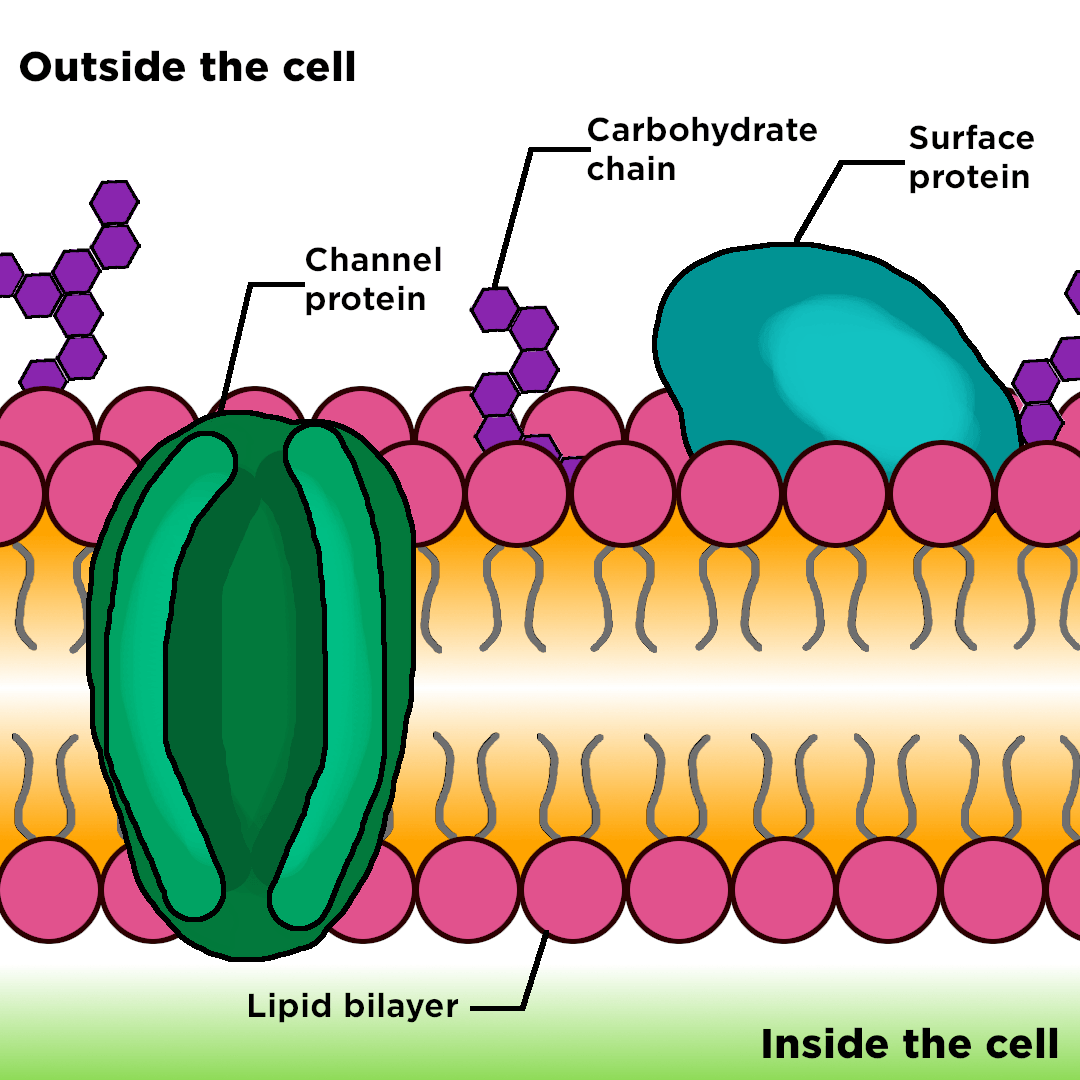

Understanding the intricate mechanisms of cellular transport is crucial for comprehending how cells maintain homeostasis and communicate with their environment. Two fundamental components of this process are Channel Vs Carrier Proteins. These proteins play distinct roles in facilitating the movement of molecules across cellular membranes. This post delves into the differences, functions, and significance of channel and carrier proteins, providing a comprehensive overview of their roles in cellular physiology.
What are Channel Proteins?
Channel proteins are integral membrane proteins that form pores or channels across the cell membrane. These channels allow the passive transport of ions and small molecules down their concentration gradients. Channel proteins are essential for various physiological processes, including nerve impulse transmission, muscle contraction, and the regulation of cell volume.
Types of Channel Proteins
Channel proteins can be categorized based on their gating mechanisms and selectivity. The primary types include:
- Voltage-Gated Channels: These channels open or close in response to changes in membrane potential. Examples include sodium and potassium channels involved in action potential generation.
- Ligand-Gated Channels: These channels are activated by the binding of specific ligands, such as neurotransmitters. Nicotinic acetylcholine receptors are a classic example.
- Mechanically-Gated Channels: These channels respond to mechanical stimuli, such as touch or pressure. Examples include stretch-activated channels in sensory neurons.
Mechanism of Action
Channel proteins function by undergoing conformational changes that open or close the channel pore. This process is often regulated by various factors, including voltage, ligand binding, or mechanical stress. When the channel is open, ions or small molecules can pass through the pore down their electrochemical gradient, facilitating rapid and efficient transport.
What are Carrier Proteins?
Carrier proteins, also known as transporters, facilitate the movement of molecules across the cell membrane through a process called facilitated diffusion or active transport. Unlike channel proteins, carrier proteins do not form continuous pores; instead, they bind to specific molecules and undergo conformational changes to transport them across the membrane.
Types of Carrier Proteins
Carrier proteins can be classified based on the direction of transport and the energy requirements. The primary types include:
- Uniporters: These proteins transport a single type of molecule across the membrane. Examples include glucose transporters (GLUTs) that facilitate the diffusion of glucose.
- Symporters: These proteins transport two or more molecules in the same direction. An example is the sodium-glucose cotransporter (SGLT), which moves sodium and glucose into the cell simultaneously.
- Antiporters: These proteins transport molecules in opposite directions. The sodium-potassium pump (Na+/K+ ATPase) is an example that moves sodium out of the cell and potassium into the cell.
Mechanism of Action
Carrier proteins function by binding to specific molecules on one side of the membrane and undergoing a conformational change that releases the molecule on the other side. This process can be passive, driven by the concentration gradient, or active, requiring energy in the form of ATP. The binding and release of molecules are highly specific, ensuring that only the intended substrates are transported.
Channel Vs Carrier Proteins: Key Differences
While both channel and carrier proteins facilitate the movement of molecules across the cell membrane, they differ in several key aspects:
| Aspect | Channel Proteins | Carrier Proteins |
|---|---|---|
| Mechanism | Form continuous pores | Bind and release molecules |
| Transport Type | Passive transport | Passive or active transport |
| Speed | Rapid transport | Slower transport |
| Selectivity | Highly selective | Highly selective |
| Examples | Ion channels, aquaporins | Glucose transporters, sodium-potassium pump |
These differences highlight the specialized roles of channel and carrier proteins in cellular transport, each contributing uniquely to the maintenance of cellular homeostasis.
🔍 Note: The specific mechanisms and types of channel and carrier proteins can vary widely depending on the cell type and physiological context. Understanding these variations is crucial for comprehending the diverse functions of these proteins in different tissues and organs.
Significance in Cellular Physiology
Channel and carrier proteins play critical roles in various physiological processes. Their dysfunction can lead to numerous diseases and disorders. For instance, mutations in ion channels can cause conditions such as cystic fibrosis, epilepsy, and cardiac arrhythmias. Similarly, defects in carrier proteins can result in metabolic disorders, such as glucose-galactose malabsorption and Hartnup disease.
In addition to their roles in health and disease, channel and carrier proteins are important targets for therapeutic interventions. Many drugs act by modulating the activity of these proteins, either by blocking or enhancing their function. For example, diuretics like furosemide inhibit the sodium-potassium-chloride cotransporter, while insulin sensitizers like metformin enhance glucose uptake by increasing the activity of glucose transporters.
Future Directions
Research on channel and carrier proteins continues to advance our understanding of cellular transport mechanisms and their roles in health and disease. Emerging technologies, such as cryo-electron microscopy and single-molecule imaging, are providing unprecedented insights into the structure and function of these proteins. These advancements pave the way for the development of novel therapeutic strategies targeting channel and carrier proteins, offering new hope for the treatment of various diseases.
Moreover, the study of channel and carrier proteins in different organisms and cell types is revealing the evolutionary conservation and diversification of these transport mechanisms. This knowledge can inform the development of biotechnological applications, such as the engineering of synthetic transporters for bioprocessing and biosensing.
In conclusion, channel and carrier proteins are essential components of cellular transport systems, each playing a unique role in maintaining cellular homeostasis. Their distinct mechanisms, types, and functions highlight the complexity and diversity of cellular transport processes. Understanding these proteins and their roles in health and disease is crucial for advancing our knowledge of cellular physiology and developing effective therapeutic interventions. The ongoing research in this field promises to uncover new insights and applications, furthering our understanding of the intricate world of cellular transport.
Related Terms:
- carrier vs transport proteins
- carrier proteins examples
- protein channels vs pumps
- channel protein vs transport
- carrier proteins function to
- channel proteins function