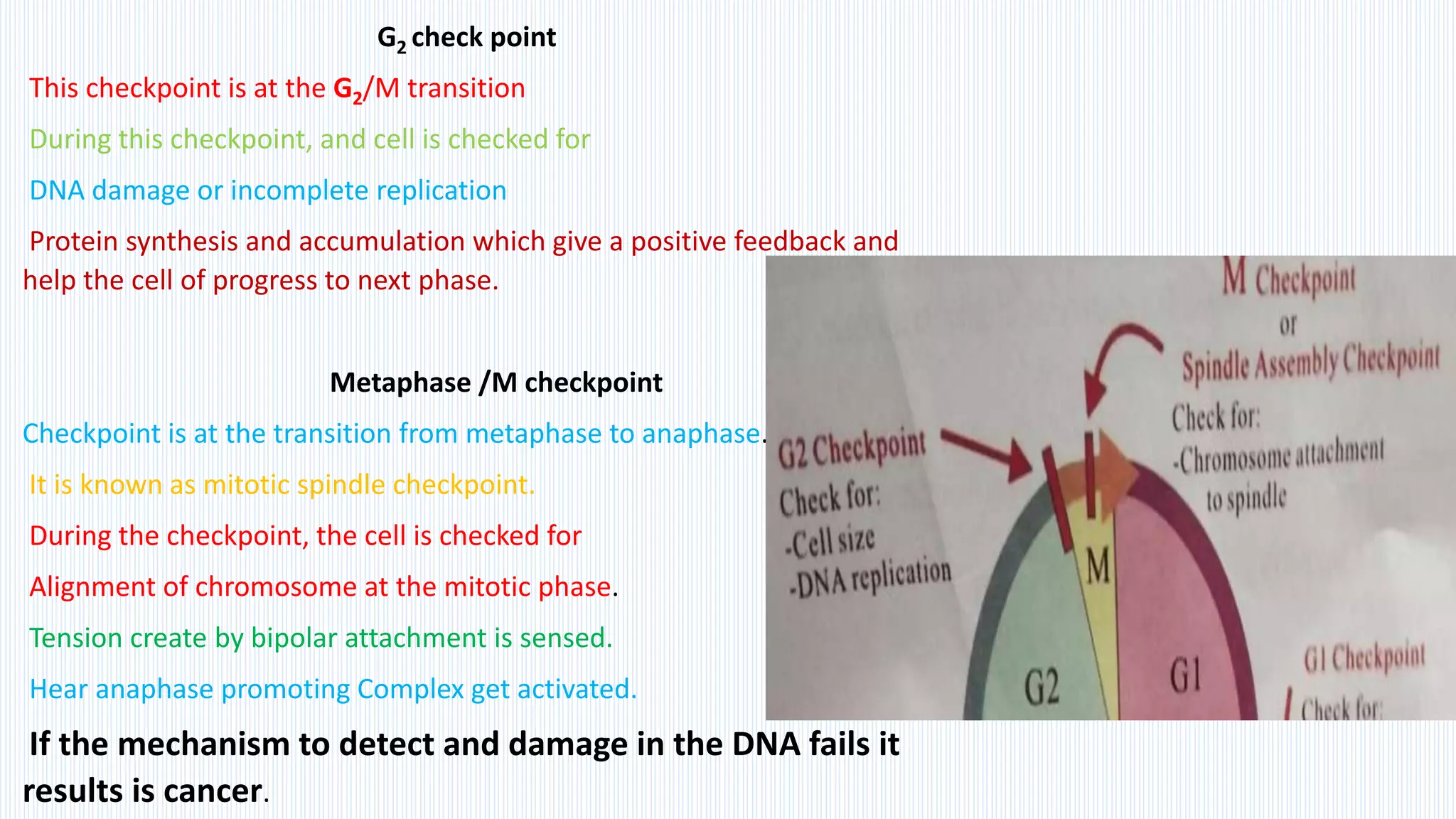

The cell cycle is a fundamental process in biology that governs the growth and division of cells. Understanding the intricacies of the cell cycle is crucial for various fields, including cancer research, developmental biology, and regenerative medicine. One of the critical aspects of the cell cycle is the cell cycle check, a series of regulatory mechanisms that ensure the accurate and timely progression of cells through different phases. This blog post delves into the details of the cell cycle, the importance of cell cycle checks, and the molecular mechanisms involved.
The Phases of the Cell Cycle
The cell cycle is divided into several distinct phases, each with specific functions and regulatory mechanisms. The primary phases are:
- G1 Phase (Gap 1): This is the first gap phase where the cell grows in size and prepares for DNA synthesis.
- S Phase (Synthesis): During this phase, DNA replication occurs, resulting in the duplication of the genetic material.
- G2 Phase (Gap 2): This is the second gap phase where the cell grows further and prepares for mitosis.
- M Phase (Mitosis): This phase involves the division of the nucleus (mitosis) and the cytoplasm (cytokinesis), resulting in two identical daughter cells.
In addition to these phases, there is a quiescent phase called G0, where cells exit the cell cycle and enter a resting state. Cells in G0 can re-enter the cell cycle if stimulated by appropriate signals.
The Importance of Cell Cycle Checks
Cell cycle checks, also known as cell cycle checkpoints, are crucial for maintaining genomic stability and preventing the propagation of damaged cells. These checkpoints ensure that each phase of the cell cycle is completed accurately before proceeding to the next phase. The primary cell cycle checks are:
- G1/S Checkpoint: This checkpoint ensures that the cell is ready to enter the S phase and that DNA replication can proceed without errors.
- G2/M Checkpoint: This checkpoint verifies that DNA replication is complete and that the cell is ready to enter mitosis.
- Spindle Assembly Checkpoint (SAC): This checkpoint monitors the proper attachment of microtubules to the kinetochores during mitosis, ensuring accurate chromosome segregation.
These checkpoints are essential for preventing the accumulation of genetic mutations and ensuring the fidelity of cell division.
Molecular Mechanisms of Cell Cycle Checks
The molecular mechanisms underlying cell cycle checks involve a complex network of proteins and signaling pathways. Key players in these mechanisms include:
- Cyclins and Cyclin-Dependent Kinases (CDKs): Cyclins and CDKs form complexes that drive the progression of the cell cycle. Different cyclin-CDK complexes are active at different phases of the cell cycle.
- Checkpoint Proteins: Proteins such as p53, p21, and Chk1/Chk2 play crucial roles in activating cell cycle checkpoints in response to DNA damage or other stressors.
- Ubiquitin-Proteasome System: This system regulates the degradation of cell cycle proteins, ensuring the timely progression of the cell cycle.
These molecular mechanisms work together to ensure that the cell cycle proceeds accurately and that any errors are corrected before they can lead to genomic instability.
Regulation of the Cell Cycle
The cell cycle is tightly regulated by various factors, including growth factors, hormones, and intracellular signaling pathways. Key regulatory mechanisms include:
- Growth Factors: Growth factors such as epidermal growth factor (EGF) and platelet-derived growth factor (PDGF) stimulate cell proliferation by activating signaling pathways that promote cell cycle progression.
- Hormones: Hormones such as insulin and estrogen regulate the cell cycle in specific tissues, ensuring that cell division occurs in response to physiological needs.
- Intracellular Signaling Pathways: Signaling pathways such as the MAPK (mitogen-activated protein kinase) pathway and the PI3K/Akt pathway play crucial roles in regulating the cell cycle by integrating signals from growth factors and other stimuli.
These regulatory mechanisms ensure that the cell cycle is coordinated with the overall physiology of the organism, allowing for controlled cell proliferation and differentiation.
Cell Cycle Dysregulation and Disease
Dysregulation of the cell cycle is a hallmark of many diseases, including cancer. Mutations in cell cycle regulatory proteins can lead to uncontrolled cell proliferation and genomic instability, contributing to the development of cancer. Key examples of cell cycle dysregulation in disease include:
- Cancer: Mutations in genes such as p53, Rb, and cyclin D1 are commonly found in cancer cells, leading to uncontrolled cell proliferation and genomic instability.
- Aging: Age-related changes in cell cycle regulation can contribute to the decline in tissue function and the increased risk of age-related diseases.
- Developmental Disorders: Abnormalities in cell cycle regulation during development can lead to congenital defects and developmental disorders.
Understanding the molecular mechanisms underlying cell cycle dysregulation is crucial for developing targeted therapies for these diseases.
Cell Cycle Checkpoints in Cancer Therapy
Cell cycle checkpoints are important targets for cancer therapy. By exploiting the differences between normal and cancer cells, researchers have developed strategies to selectively target cancer cells while sparing normal cells. Key approaches include:
- Chemotherapy: Many chemotherapeutic agents target cell cycle checkpoints, inducing DNA damage and activating cell cycle arrest or apoptosis in cancer cells.
- Targeted Therapies: Small molecule inhibitors and monoclonal antibodies that target specific cell cycle regulatory proteins, such as CDKs and cyclin D1, are being developed as targeted therapies for cancer.
- Radiation Therapy: Radiation therapy induces DNA damage and activates cell cycle checkpoints, leading to cell cycle arrest or apoptosis in cancer cells.
These approaches hold promise for improving the efficacy of cancer therapy and reducing the side effects associated with traditional treatments.
🔍 Note: The effectiveness of cell cycle checkpoint inhibitors in cancer therapy depends on the specific genetic and molecular characteristics of the tumor. Personalized medicine approaches are being developed to tailor treatments to individual patients based on their tumor's unique profile.
Future Directions in Cell Cycle Research
Despite significant advances in our understanding of the cell cycle, many questions remain unanswered. Future research directions include:
- Identifying New Cell Cycle Regulators: Continued efforts to identify new proteins and signaling pathways involved in cell cycle regulation will provide new targets for therapeutic intervention.
- Understanding Cell Cycle Heterogeneity: Investigating the heterogeneity of cell cycle regulation in different cell types and tissues will provide insights into the mechanisms underlying tissue-specific diseases.
- Developing Novel Therapies: Exploring new approaches to target cell cycle checkpoints, such as combination therapies and immunotherapy, will enhance the efficacy of cancer treatment.
These research directions hold promise for advancing our understanding of the cell cycle and developing new strategies for preventing and treating diseases associated with cell cycle dysregulation.
In conclusion, the cell cycle is a complex and tightly regulated process that ensures the accurate and timely progression of cells through different phases. Cell cycle checks play a crucial role in maintaining genomic stability and preventing the propagation of damaged cells. Understanding the molecular mechanisms underlying cell cycle regulation and dysregulation is essential for developing targeted therapies for diseases such as cancer. Future research in this field will continue to uncover new insights and pave the way for innovative treatments.
Related Terms:
- cell cycle practice quiz
- cell cycle checkpoints quiz
- cell cycle stages quiz
- cell cycle biology quiz
- cell division and cycle quiz
- cell cycle checkpoints questions