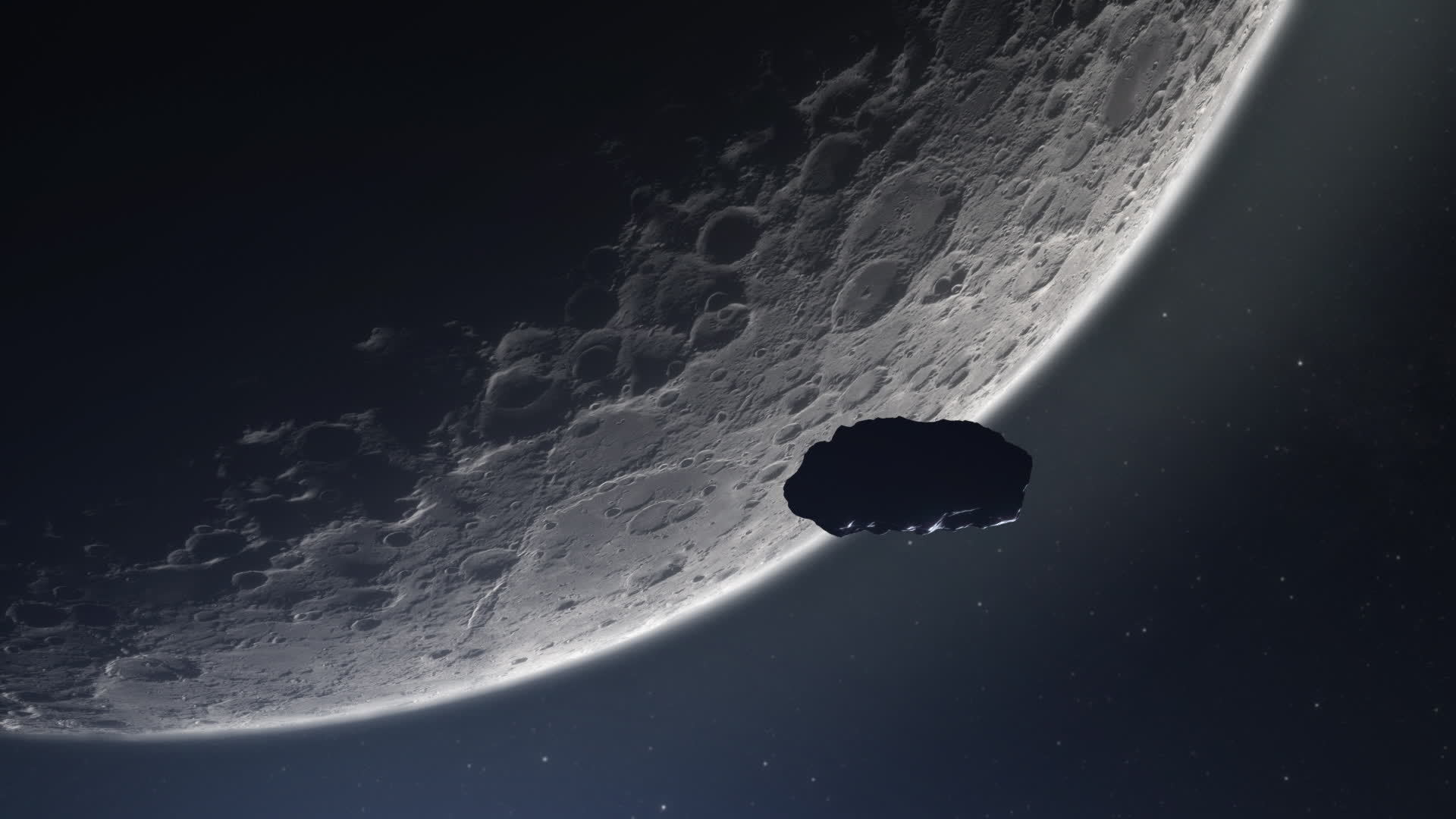

Exploring the cosmos reveals a myriad of celestial bodies, each with its unique characteristics and behaviors. Among these, asteroids vs comets stand out as two of the most intriguing and often misunderstood objects. Understanding the differences between asteroids and comets is crucial for astronomers and space enthusiasts alike, as these celestial bodies offer insights into the formation and evolution of our solar system.
What are Asteroids?
Asteroids are rocky, airless remnants left over from the early formation of our solar system about 4.6 billion years ago. They are primarily composed of metals and rocky material, with some containing organic compounds. Asteroids vary greatly in size, ranging from small boulders to massive objects hundreds of kilometers in diameter. Most asteroids are found in the asteroid belt, a region between the orbits of Mars and Jupiter.
Asteroids are classified into several types based on their composition and spectral characteristics. The three main types are:
- C-type asteroids: These are carbonaceous asteroids, rich in carbon and other volatile compounds. They are the most common type, making up about 75% of known asteroids.
- S-type asteroids: These are silicate asteroids, composed mainly of silicates and some metals. They make up about 17% of known asteroids.
- M-type asteroids: These are metallic asteroids, primarily composed of nickel-iron. They make up a smaller percentage of known asteroids.
Asteroids play a significant role in the study of the solar system's early history. Their composition and structure provide clues about the conditions present during the formation of the planets. Additionally, asteroids are of interest for potential resource mining, as they contain valuable metals and other materials.
What are Comets?
Comets, on the other hand, are icy bodies that originate from the outer reaches of the solar system. They are composed of a mixture of ice, dust, and rocky material, often referred to as a "dirty snowball." Comets have highly elliptical orbits, which bring them close to the Sun and then far out into the solar system. As a comet approaches the Sun, the heat causes the ice to sublimate, releasing gas and dust that form a glowing coma and often a spectacular tail.
Comets are classified based on their orbital periods:
- Short-period comets: These have orbital periods of less than 200 years and originate from the Kuiper Belt, a region beyond Neptune's orbit.
- Long-period comets: These have orbital periods of more than 200 years and originate from the Oort Cloud, a spherical shell of icy bodies far beyond the Kuiper Belt.
Comets are of great interest to astronomers because they provide insights into the composition of the early solar system. The icy material in comets is thought to be relatively unchanged since the solar system's formation, making them valuable for studying the primordial conditions of the cosmos.
Asteroids vs Comets: Key Differences
While both asteroids and comets are small solar system bodies, they have several key differences:
| Characteristic | Asteroids | Comets |
|---|---|---|
| Composition | Rocky and metallic | Icy with dust and rocky material |
| Location | Primarily in the asteroid belt between Mars and Jupiter | Originate from the Kuiper Belt and Oort Cloud |
| Orbit | Circular or slightly elliptical | Highly elliptical |
| Appearance | Rocky and airless | Develop a coma and tail when near the Sun |
These differences highlight the distinct origins and behaviors of asteroids and comets, making them unique subjects of study in astronomy.
Impact Events and Asteroids vs Comets
Both asteroids and comets can pose a threat to Earth through impact events. While the likelihood of a major impact is low, the consequences can be catastrophic. Understanding the differences between asteroids and comets is crucial for developing strategies to mitigate potential threats.
Asteroids, due to their rocky and metallic composition, are generally denser and more massive than comets of similar size. This makes them more likely to cause significant damage upon impact. Comets, with their icy composition, are less dense and more likely to break apart as they enter the Earth's atmosphere, potentially causing widespread but less concentrated damage.
Impact events have shaped the history of Earth and other planets. For example, the Chicxulub impactor, believed to be an asteroid, is thought to have caused the extinction of the dinosaurs 66 million years ago. Comets, while less frequent, have also left their mark, such as the Tunguska event in 1908, which is believed to have been caused by a comet or asteroid fragment.
Scientists continuously monitor near-Earth objects (NEOs) to assess potential threats. NEOs include both asteroids and comets that come close to Earth's orbit. By studying these objects, astronomers can better predict and prepare for potential impact events.
📌 Note: The study of asteroids and comets is an ongoing field of research, with new discoveries and insights continually emerging. Staying informed about the latest findings can help us better understand and prepare for potential threats from these celestial bodies.
Exploration and Study of Asteroids vs Comets
The exploration of asteroids and comets has provided valuable data for scientists. Space missions have been launched to study these objects up close, offering insights into their composition, structure, and origins.
Some notable missions include:
- NASA's OSIRIS-REx mission: Launched in 2016, this mission aimed to collect samples from the asteroid Bennu and return them to Earth for analysis. The samples will provide valuable information about the early solar system and the potential for asteroid mining.
- ESA's Rosetta mission: Launched in 2004, Rosetta studied the comet 67P/Churyumov-Gerasimenko up close. The mission included a lander, Philae, which provided the first-ever data from the surface of a comet.
- NASA's Dawn mission: Launched in 2007, Dawn explored the asteroids Vesta and Ceres, providing detailed images and data about their composition and structure.
These missions have revolutionized our understanding of asteroids and comets, offering unprecedented views and data that have challenged and refined our theories about the solar system's formation and evolution.
Future missions are planned to further explore these celestial bodies. For example, NASA's Psyche mission, scheduled to launch in 2023, will study the metallic asteroid Psyche, providing insights into the early solar system's formation and the potential for asteroid mining.
In addition to space missions, ground-based observations and telescopic studies continue to play a crucial role in the study of asteroids and comets. These observations help track the orbits of these objects, assess potential threats, and provide data for scientific research.
Asteroids and comets are not only objects of scientific curiosity but also potential resources for future space exploration. The idea of asteroid mining, where valuable metals and other materials are extracted from asteroids, is gaining traction. This could provide resources for space missions, reduce the need for Earth-based mining, and support the development of space colonies.
Comets, with their icy composition, could also be a source of water and other volatiles for future space missions. The extraction of water from comets could support human exploration of the solar system by providing a source of drinking water and fuel for spacecraft.
As our understanding of asteroids and comets grows, so too does our ability to harness their potential for scientific discovery and resource utilization. The study of these celestial bodies offers a window into the early solar system and the potential for future space exploration and colonization.
In conclusion, the study of asteroids vs comets reveals a rich tapestry of celestial bodies with distinct characteristics and behaviors. Understanding the differences between these objects is crucial for advancing our knowledge of the solar system and preparing for potential threats. Through ongoing research and exploration, we continue to uncover the mysteries of these fascinating celestial bodies, paving the way for future discoveries and innovations.
Related Terms:
- are comets bigger than asteroids
- similarities between asteroids and comets
- difference between asteroid and meteor
- difference between asteroids meteors comets
- asteroids and comets similarities
- difference between asteroids and comets