
Automated External Defibrillators (AEDs) are crucial lifesaving devices designed to restore a normal heartbeat by sending an electric pulse or shock to the heart. Proper AED placement on adult patients is essential for effective use and can significantly improve survival rates in cases of sudden cardiac arrest. This blog post will delve into the importance of AEDs, the correct placement techniques, and best practices for ensuring optimal outcomes.
Understanding AEDs and Their Importance
AEDs are portable devices that analyze the heart's rhythm and deliver an electric shock if necessary to restore a normal heartbeat. They are designed to be used by both trained medical professionals and laypersons, making them invaluable in public settings such as schools, airports, and sports facilities. The primary goal of an AED is to treat ventricular fibrillation or ventricular tachycardia, which are the most common causes of sudden cardiac arrest.
When to Use an AED
An AED should be used in cases of suspected sudden cardiac arrest. Key indicators include:
- Unresponsiveness: The person does not respond to verbal commands or physical stimulation.
- No Normal Breathing: The person is not breathing normally or at all.
- No Pulse: The person has no detectable pulse.
If these signs are present, immediate action is crucial. Call emergency services and begin CPR while someone retrieves the AED.
Steps for Proper AED Placement on Adult
Correct AED placement on adult patients involves several critical steps. Follow these guidelines to ensure effective use:
1. Ensure Safety
Before using the AED, ensure the environment is safe for both the victim and the responder. Check for any hazards that could pose a risk, such as water or flammable materials.
2. Turn on the AED
Power on the AED and follow the voice prompts. Most AEDs are designed to be user-friendly, with clear instructions and visual cues.
3. Expose the Chest
Remove any clothing from the victim's chest to expose the bare skin. This step is crucial for proper electrode placement.
4. Attach the Electrodes
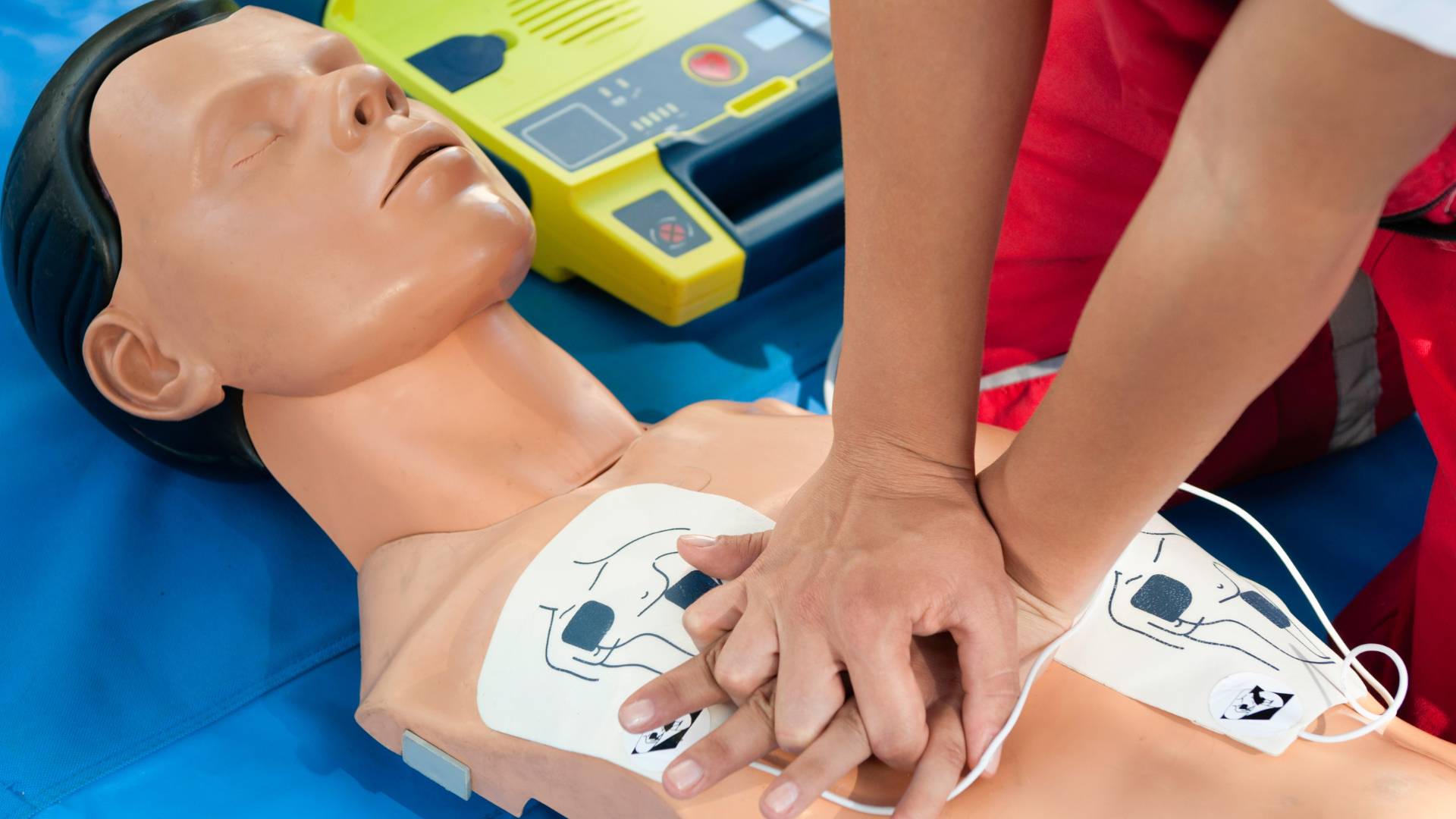
Place the electrodes on the victim's bare chest as indicated by the diagrams on the electrode pads. The most common placement is:
- One electrode on the upper right side of the chest, just below the collarbone.
- The other electrode on the lower left side of the chest, just below the armpit.
Ensure the electrodes are firmly adhered to the skin and that there are no air pockets or wrinkles.
5. Clear the Area
Make sure no one is touching the victim. Shout "Clear!" to alert others to stand back. This step is essential to prevent accidental shocks to bystanders.
6. Analyze the Heart Rhythm
The AED will analyze the victim's heart rhythm. This process usually takes a few seconds. Do not touch the victim during this time.
7. Deliver the Shock
If the AED advises a shock, ensure the area is clear and press the shock button as instructed. The AED will deliver the electric pulse to the heart.
8. Resume CPR
After delivering the shock, immediately resume CPR for two minutes. Continue following the AED's prompts, which may include additional shocks and CPR cycles.
🔍 Note: Always follow the specific instructions provided by the AED manufacturer, as different models may have slight variations in their operation.
Best Practices for AED Use
To maximize the effectiveness of AEDs, consider the following best practices:
1. Training and Certification
Ensure that staff and volunteers in public settings are trained in CPR and AED use. Certification courses are available through organizations like the American Heart Association and the Red Cross.
2. Regular Maintenance
Perform regular maintenance checks on AEDs to ensure they are in working order. This includes checking the battery life, electrode pads, and overall condition of the device.
3. Accessibility
Place AEDs in easily accessible locations. Ensure that signs are clearly visible and that the devices are readily available in case of an emergency.
4. Public Awareness
Raise awareness about the importance of AEDs and their location in public settings. Posters, signs, and announcements can help educate the public and encourage quick action in emergencies.
Common Mistakes to Avoid
When using an AED, it's essential to avoid common mistakes that can compromise its effectiveness:
- Incorrect Electrode Placement: Ensure the electrodes are placed correctly as per the manufacturer's instructions. Incorrect placement can lead to ineffective shocks.
- Not Clearing the Area: Always ensure no one is touching the victim when delivering a shock. Accidental contact can result in injury to bystanders.
- Delaying CPR: Continue CPR until the AED is ready to use. Delaying CPR can reduce the chances of survival.
- Ignoring Voice Prompts: Follow the AED's voice prompts carefully. These instructions are designed to guide you through the process accurately.
Case Studies and Success Stories
Numerous case studies highlight the life-saving potential of AEDs. For instance, a study published in the Journal of the American Medical Association (JAMA) found that early use of AEDs significantly increased survival rates in cases of sudden cardiac arrest. In one notable case, a bystander used an AED to save a professional athlete who collapsed during a game. The quick response and proper AED placement on adult patient saved the athlete's life.
These success stories underscore the importance of widespread AED availability and proper training. By ensuring that AEDs are readily accessible and that people are trained to use them, we can save more lives and improve outcomes in emergencies.
In another compelling example, a school in a suburban area installed AEDs in strategic locations after a student suffered a cardiac arrest during a physical education class. The quick response from trained staff, who used the AED effectively, resulted in the student's full recovery. This incident not only saved a life but also raised awareness about the importance of AEDs in educational settings.
These examples illustrate the critical role that AEDs play in emergency situations. Proper training, regular maintenance, and widespread availability can make a significant difference in saving lives.
Conclusion
Proper AED placement on adult patients is a critical skill that can save lives in emergencies. By understanding the importance of AEDs, following the correct steps for placement, and adhering to best practices, we can significantly improve survival rates in cases of sudden cardiac arrest. Training, regular maintenance, and public awareness are key factors in ensuring that AEDs are used effectively. By taking these steps, we can create safer environments and be better prepared to handle cardiac emergencies.
Related Terms:
- correct aed pad placement
- aed pads should be placed
- anteroposterior placement for aed pads
- correct anteroposterior aed pad placement
- where are aed pads placed
- anterolateral aed placement for adults