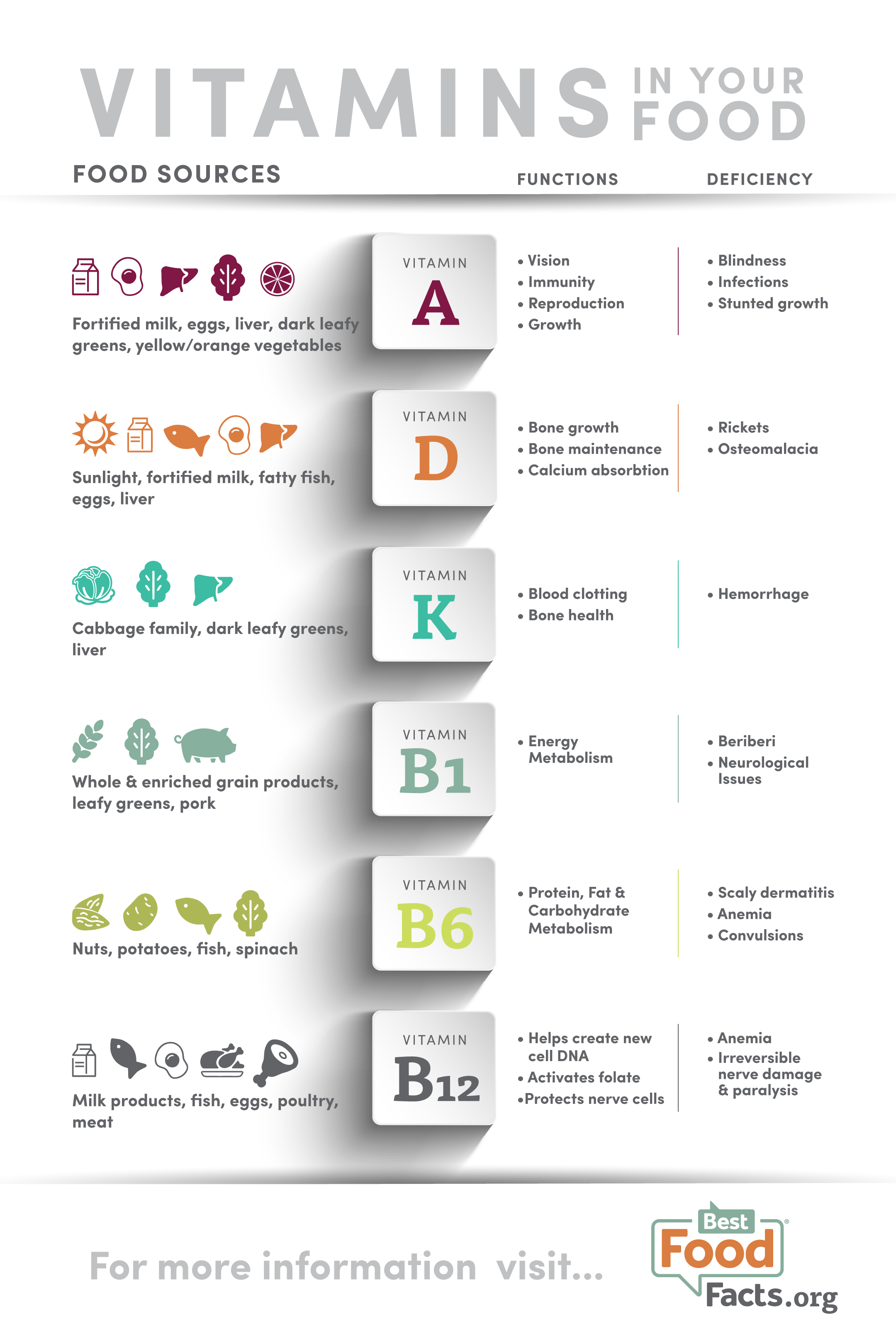

Vitamins are essential nutrients that play a crucial role in maintaining overall health and well-being. Among the many vitamins, Vitamin A, D, and E stand out due to their unique benefits and functions in the body. These vitamins are fat-soluble, meaning they are stored in the body's fatty tissue and liver, and are released as needed. Understanding the roles and sources of Vitamin A, D, and E can help individuals make informed decisions about their diet and supplementation.
Understanding Vitamin A
Vitamin A is vital for maintaining good vision, supporting the immune system, and promoting cell growth. It comes in two primary forms: preformed Vitamin A (retinol) and provitamin A carotenoids (beta-carotene). Preformed Vitamin A is found in animal products such as liver, fish oils, and dairy products, while provitamin A carotenoids are found in plant-based foods like carrots, sweet potatoes, and leafy greens.
Vitamin A plays a critical role in:
- Maintaining healthy vision, especially in low light conditions.
- Supporting the immune system by helping to fight infections.
- Promoting cell growth and differentiation, which is essential for the maintenance of skin and mucous membranes.
The Importance of Vitamin D
Vitamin D is often referred to as the "sunshine vitamin" because the body produces it in response to sunlight exposure. It is essential for bone health, as it helps the body absorb calcium and phosphorus. Vitamin D also supports the immune system, muscle function, and may play a role in reducing the risk of certain diseases, including cancer and autoimmune disorders.
Sources of Vitamin D include:
- Sunlight exposure, which triggers the body to produce Vitamin D.
- Foods fortified with Vitamin D, such as milk, cereals, and orange juice.
- Fatty fish like salmon, mackerel, and tuna.
- Egg yolks and liver.
Vitamin D deficiency is common, especially in regions with limited sunlight or among individuals who spend most of their time indoors. Supplementation may be necessary to maintain adequate levels of Vitamin D, particularly for those at risk of deficiency.
Vitamin E: A Powerful Antioxidant
Vitamin E is a potent antioxidant that helps protect cells from damage caused by free radicals. It plays a crucial role in maintaining healthy skin and eyes, supporting the immune system, and preventing the oxidation of LDL (bad) cholesterol, which can lead to heart disease. Vitamin E is found in various foods, including nuts, seeds, vegetable oils, and leafy greens.
Key functions of Vitamin E include:
- Acting as an antioxidant to protect cells from damage.
- Supporting immune function and helping to fight infections.
- Promoting healthy skin and eyes.
- Preventing the oxidation of LDL cholesterol, which can reduce the risk of heart disease.
Vitamin A, D, and E: Sources and Recommended Intakes
To ensure adequate intake of Vitamin A, D, and E, it is essential to include a variety of foods in your diet. The recommended daily intakes for these vitamins vary by age and gender. Below is a table outlining the recommended dietary allowances (RDAs) for Vitamin A, D, and E.
| Vitamin | Age/Group | Recommended Daily Intake |
|---|---|---|
| Vitamin A | Adults (19-50 years) | 700-900 mcg RAE (Retinol Activity Equivalents) |
| Vitamin D | Adults (19-70 years) | 600-800 IU |
| Vitamin E | Adults (19 years and older) | 15 mg (22.4 IU) |
It is important to note that the recommended intakes may vary based on individual health conditions and specific needs. Consulting with a healthcare provider or a registered dietitian can help determine the appropriate intake for each person.
📝 Note: The recommended daily intakes are guidelines and may not apply to everyone. Individual needs can vary based on factors such as age, gender, health status, and lifestyle.
Vitamin A, D, and E: Deficiency and Toxicity
While Vitamin A, D, and E are essential for health, both deficiency and excess intake can have adverse effects. Understanding the signs of deficiency and toxicity is crucial for maintaining optimal health.
Vitamin A Deficiency and Toxicity
Vitamin A deficiency can lead to night blindness, dry skin, and increased susceptibility to infections. Severe deficiency can result in xerophthalmia, a condition that can cause permanent blindness. On the other hand, excessive intake of preformed Vitamin A (retinol) can lead to toxicity, causing symptoms such as nausea, headaches, and even liver damage.
Vitamin D Deficiency and Toxicity
Vitamin D deficiency is common and can result in bone disorders such as rickets in children and osteomalacia in adults. Symptoms of deficiency include bone pain, muscle weakness, and increased risk of fractures. Vitamin D toxicity is rare but can occur with excessive supplementation, leading to high calcium levels in the blood, which can cause nausea, vomiting, and kidney problems.
Vitamin E Deficiency and Toxicity
Vitamin E deficiency is rare but can occur in individuals with certain medical conditions, such as fat malabsorption syndromes. Symptoms of deficiency include muscle weakness, vision problems, and a weakened immune system. Vitamin E toxicity is also rare and typically only occurs with very high doses of supplements. Excessive intake can interfere with blood clotting and increase the risk of bleeding.
Vitamin A, D, and E: Supplementation
In some cases, supplementation may be necessary to ensure adequate intake of Vitamin A, D, and E. This is particularly true for individuals with dietary restrictions, malabsorption issues, or those at risk of deficiency. However, it is essential to consult with a healthcare provider before starting any supplementation regimen.
When considering supplementation, it is important to:
- Choose high-quality supplements from reputable sources.
- Follow the recommended dosage guidelines provided by the healthcare provider.
- Monitor for any adverse effects and report them to the healthcare provider.
Supplementation should be viewed as a complement to a balanced diet, not a replacement. A varied diet rich in fruits, vegetables, whole grains, and lean proteins is the best way to ensure adequate intake of all essential vitamins and minerals.
📝 Note: Always consult with a healthcare provider before starting any new supplement regimen. Excessive intake of fat-soluble vitamins can lead to toxicity and adverse health effects.
Vitamin A, D, and E play critical roles in maintaining overall health and well-being. Understanding their functions, sources, and recommended intakes can help individuals make informed decisions about their diet and supplementation. By ensuring adequate intake of these essential vitamins, individuals can support their immune system, maintain healthy vision, promote cell growth, and reduce the risk of various diseases. A balanced diet rich in a variety of nutrient-dense foods is the best way to meet the body’s needs for Vitamin A, D, and E.
Related Terms:
- vitamin ade for cattle
- vitamin a d&e for livestock
- vitamin e for cattle
- vitamin ade injectable for cattle
- injectable ade
- vitamin ead for cattle