
Exploring the vibrant world of Spanish-speaking flags reveals a rich tapestry of history, culture, and national identity. These flags are more than just symbols; they are visual representations of the diverse heritage and shared experiences of the Spanish-speaking nations. From the bold colors of the Spanish flag to the intricate designs of Latin American banners, each flag tells a unique story.
The Spanish Flag: A Symbol of Unity and Heritage
The Spanish flag, known as the Bandera de España, is a powerful emblem that has evolved over centuries. The current design features three horizontal stripes: red, yellow, and red, with the yellow stripe being twice as wide as the red stripes. In the upper left corner, the flag bears the coat of arms of Spain, which includes the Pillars of Hercules, the crown of the Spanish monarchy, and the motto "Plus Ultra," meaning "Further Beyond." This flag is a testament to Spain's rich history and its influence on the world.
The Spanish flag has undergone several changes over the years, reflecting the political and social transformations of the country. The current design was officially adopted in 1981, following the restoration of democracy after the death of dictator Francisco Franco. The flag serves as a unifying symbol for the Spanish people, representing their shared heritage and national pride.
Latin American Flags: A Mosaic of Independence and Identity
Latin American flags are a vibrant mosaic of colors and symbols, each telling the story of a nation's struggle for independence and its unique cultural identity. These flags often feature elements that reflect the region's shared history, including the influence of Spanish colonization and the indigenous cultures that predated it.
One of the most recognizable Latin American flags is that of Mexico. The Mexican flag features three vertical stripes of green, white, and red, with the national coat of arms centered on the white stripe. The coat of arms depicts an eagle perched on a cactus, devouring a snake, symbolizing the legend of the founding of Tenochtitlan, the ancient Aztec capital. This flag is a powerful symbol of Mexico's rich history and cultural heritage.
Another notable example is the flag of Argentina. The Argentine flag consists of three horizontal stripes of light blue, white, and light blue, with a radiant sun, known as the Sun of May, in the center of the white stripe. The sun has 32 rays, alternating between straight and wavy, and a face in the center. This flag is a symbol of Argentina's independence and its struggle for freedom from Spanish rule.
The flag of Colombia is another striking example of Latin American design. It features three horizontal stripes of yellow, blue, and red, with the yellow stripe being twice as wide as the other two. The colors represent the country's natural resources, the sky and sea, and the blood spilled in the fight for independence. The Colombian flag is a powerful symbol of the nation's resilience and its commitment to freedom and democracy.
The Influence of Spanish Speaking Flags on Global Culture
The influence of Spanish-speaking flags extends far beyond their respective countries. These flags have become iconic symbols in global culture, representing the rich heritage and vibrant spirit of the Spanish-speaking world. From art and literature to film and music, the imagery and symbolism of these flags have inspired countless creations.
In the world of art, Spanish-speaking flags have been featured in numerous paintings, sculptures, and installations. Artists have used these flags to explore themes of identity, nationalism, and cultural heritage. For example, the Mexican artist Frida Kahlo often incorporated elements of the Mexican flag into her self-portraits, using the colors and symbols to represent her deep connection to her country's history and culture.
In literature, Spanish-speaking flags have been used as powerful metaphors and symbols. Authors have employed these flags to convey complex emotions and ideas, such as patriotism, resistance, and the struggle for independence. For instance, the Argentine writer Jorge Luis Borges often referenced the Argentine flag in his works, using it as a symbol of the country's rich literary tradition and its enduring spirit.
In the realm of film and music, Spanish-speaking flags have been featured in numerous productions, serving as visual and auditory symbols of the Spanish-speaking world. From documentaries and historical dramas to contemporary music videos, these flags have been used to evoke a sense of national pride and cultural identity. For example, the Mexican film "El Mariachi" features the Mexican flag prominently, using it as a symbol of the country's vibrant music and cultural heritage.
The Evolution of Spanish Speaking Flags
The evolution of Spanish-speaking flags is a fascinating journey through history, reflecting the political, social, and cultural changes that have shaped these nations. From the early days of colonization to the present day, these flags have undergone numerous transformations, each reflecting a new chapter in the story of the Spanish-speaking world.
One of the most significant periods in the evolution of Spanish-speaking flags was the era of independence in the early 19th century. During this time, many Latin American countries broke free from Spanish rule and adopted new flags as symbols of their newly won independence. These flags often featured elements that reflected the region's shared history, including the influence of Spanish colonization and the indigenous cultures that predated it.
For example, the flag of Venezuela was adopted in 1806, during the country's struggle for independence from Spain. The flag features three horizontal stripes of yellow, blue, and red, with eight white stars arranged in an arc in the center of the blue stripe. The colors represent the country's natural resources, the sky and sea, and the blood spilled in the fight for independence. The stars represent the eight provinces that initially joined the independence movement.
Another notable example is the flag of Peru, which was adopted in 1825, following the country's independence from Spain. The Peruvian flag features three vertical stripes of red, white, and red, with the national coat of arms centered on the white stripe. The coat of arms depicts a vicuña, a llama, and a cinchona tree, symbolizing the country's natural resources and its rich cultural heritage. The flag is a powerful symbol of Peru's independence and its commitment to freedom and democracy.
In the 20th century, many Spanish-speaking countries underwent significant political and social changes, which were often reflected in their flags. For example, the flag of Cuba underwent several changes during the country's revolutionary period in the mid-20th century. The current Cuban flag, adopted in 1902, features five blue stripes and four white stripes, with a red triangle at the hoist and a white star in the center. The flag is a symbol of Cuba's struggle for independence and its commitment to socialism.
Similarly, the flag of Nicaragua underwent changes during the country's revolutionary period in the late 20th century. The current Nicaraguan flag, adopted in 1971, features three horizontal stripes of blue, white, and blue, with the national coat of arms centered on the white stripe. The coat of arms depicts a volcano, a rainbow, and a phrygian cap, symbolizing the country's natural beauty and its struggle for freedom. The flag is a powerful symbol of Nicaragua's independence and its commitment to democracy.
The Symbolism of Spanish Speaking Flags
The symbolism of Spanish-speaking flags is rich and multifaceted, reflecting the diverse cultures, histories, and values of the Spanish-speaking world. Each flag features unique elements that convey specific meanings and messages, making them powerful symbols of national identity and pride.
One of the most common symbols found on Spanish-speaking flags is the sun. The sun is often depicted as a radiant star or a stylized face, representing the life-giving power of the sun and its importance in the region's agriculture and culture. For example, the Argentine flag features the Sun of May, a radiant sun with 32 rays, symbolizing the country's struggle for independence and its commitment to freedom and democracy.
Another common symbol is the star, which often represents unity, hope, and the aspirations of the nation. For instance, the Venezuelan flag features eight white stars arranged in an arc, symbolizing the eight provinces that initially joined the independence movement. The stars represent the country's unity and its commitment to freedom and democracy.
The colors used in Spanish-speaking flags also carry significant symbolism. The colors red, white, and blue are particularly common, often representing the blood spilled in the fight for independence, the purity of the nation's ideals, and the sky and sea, respectively. For example, the Colombian flag features three horizontal stripes of yellow, blue, and red, with the yellow stripe being twice as wide as the other two. The colors represent the country's natural resources, the sky and sea, and the blood spilled in the fight for independence.
The coat of arms is another important symbol found on many Spanish-speaking flags. The coat of arms often features elements that represent the country's natural resources, cultural heritage, and historical achievements. For example, the Mexican flag features the national coat of arms, which depicts an eagle perched on a cactus, devouring a snake. This symbol represents the legend of the founding of Tenochtitlan, the ancient Aztec capital, and is a powerful emblem of Mexico's rich history and cultural heritage.
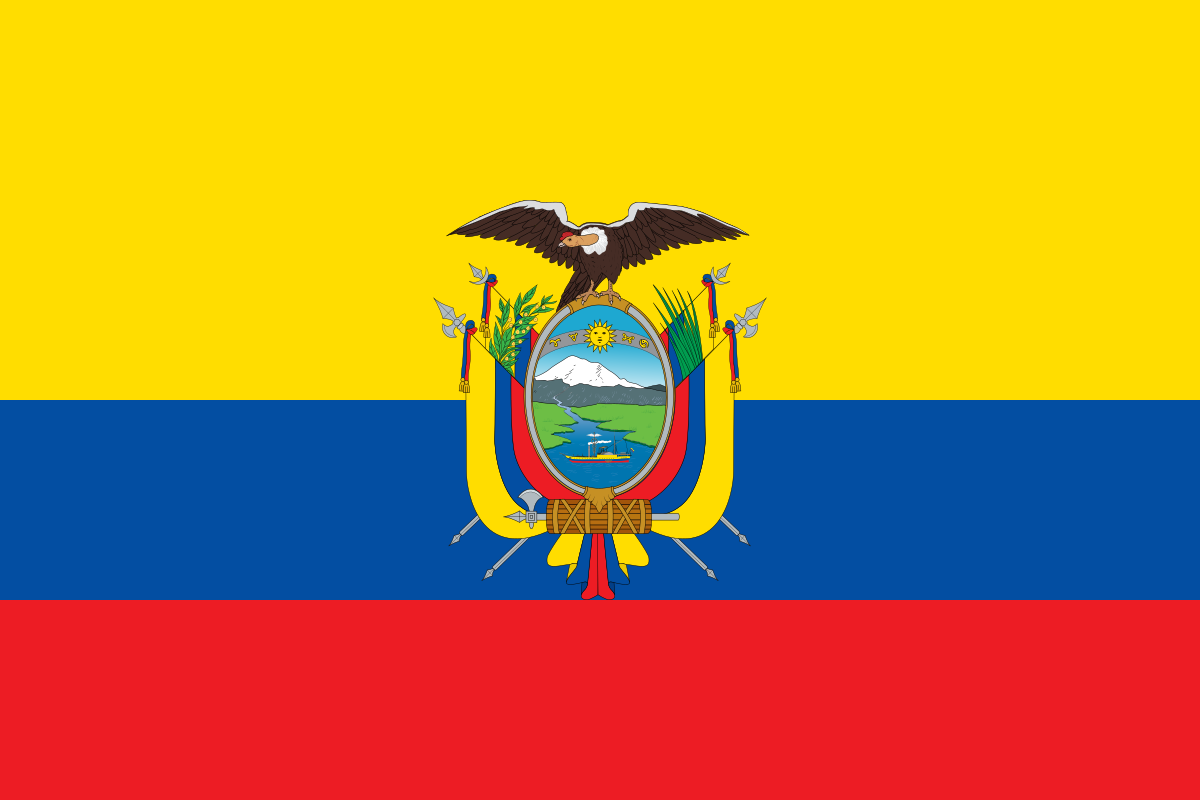
In addition to these common symbols, many Spanish-speaking flags feature unique elements that reflect the specific history and culture of each nation. For example, the flag of Ecuador features the national coat of arms, which depicts a condor, a steamship, and a river, symbolizing the country's natural beauty and its commitment to progress and development. The flag is a powerful symbol of Ecuador's independence and its commitment to freedom and democracy.
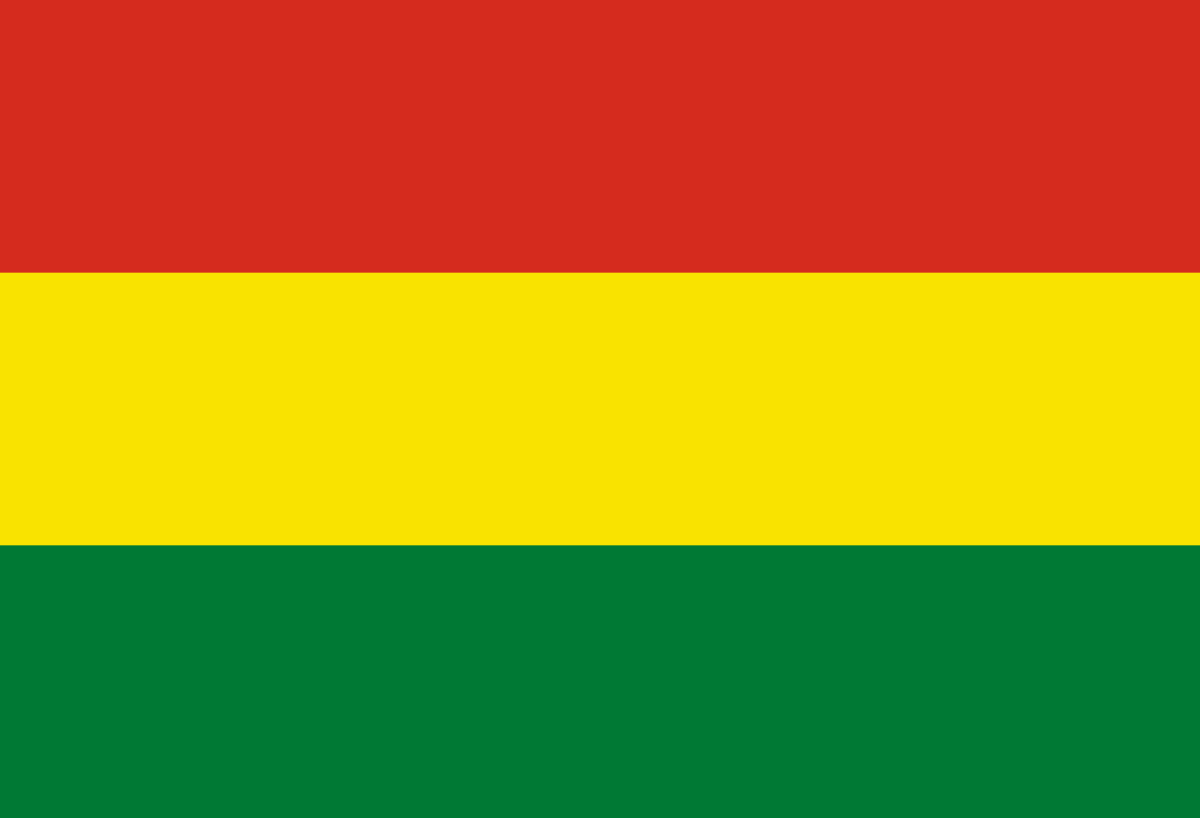
Similarly, the flag of Bolivia features the national coat of arms, which depicts a condor, a llama, and a cinchona tree, symbolizing the country's natural resources and its rich cultural heritage. The flag is a powerful symbol of Bolivia's independence and its commitment to freedom and democracy.
In summary, the symbolism of Spanish-speaking flags is a rich and complex tapestry of colors, shapes, and images, each conveying specific meanings and messages. These symbols serve as powerful emblems of national identity and pride, reflecting the diverse cultures, histories, and values of the Spanish-speaking world.
📌 Note: The symbolism of Spanish-speaking flags can vary widely, and different interpretations may exist depending on the context and the specific flag in question. It is important to approach the study of these symbols with an open mind and a willingness to explore the diverse meanings and messages they convey.
Spanish Speaking Flags in Modern Times
In modern times, Spanish-speaking flags continue to play a crucial role in the cultural and political landscape of the Spanish-speaking world. These flags are not only symbols of national identity but also powerful tools for promoting unity, pride, and cultural heritage. They are displayed in various settings, from government buildings and public spaces to sporting events and cultural festivals.
One of the most prominent ways Spanish-speaking flags are used in modern times is during international sporting events. These events provide a platform for nations to showcase their flags and celebrate their cultural heritage. For example, during the Olympic Games, athletes from Spanish-speaking countries proudly display their flags, representing their nations on the global stage. This not only fosters a sense of national pride but also promotes cultural exchange and understanding.
Another important setting where Spanish-speaking flags are prominently displayed is during cultural festivals and celebrations. These events often feature parades, performances, and exhibitions that highlight the rich cultural heritage of the Spanish-speaking world. For instance, during the Day of the Dead celebrations in Mexico, the Mexican flag is prominently displayed, symbolizing the country's vibrant culture and its deep connection to its indigenous roots.
In addition to these public displays, Spanish-speaking flags are also used in educational settings to teach students about the history, culture, and values of the Spanish-speaking world. Schools and universities often incorporate these flags into their curricula, using them as visual aids to help students understand the diverse cultures and histories of the Spanish-speaking nations. This not only enhances students' knowledge but also fosters a sense of appreciation and respect for the rich cultural heritage of the Spanish-speaking world.
Moreover, Spanish-speaking flags are used in diplomatic settings to represent the nations in international forums and negotiations. These flags serve as symbols of sovereignty and national identity, representing the countries' interests and values on the global stage. For example, during the United Nations General Assembly, representatives from Spanish-speaking countries proudly display their flags, symbolizing their commitment to international cooperation and diplomacy.
In the digital age, Spanish-speaking flags have also found a new platform for expression and representation. Social media platforms, websites, and online forums provide a space for individuals and communities to share their cultural heritage and celebrate their national identity. For instance, during national holidays and cultural events, people often post images and videos featuring their flags, using them as symbols of pride and unity. This not only promotes cultural exchange but also fosters a sense of global community and connection.
In conclusion, Spanish-speaking flags continue to play a vital role in the cultural and political landscape of the modern world. They serve as powerful symbols of national identity, pride, and cultural heritage, representing the diverse cultures, histories, and values of the Spanish-speaking world. Whether displayed in public spaces, used in educational settings, or shared on digital platforms, these flags remain a testament to the rich heritage and enduring spirit of the Spanish-speaking nations.
📌 Note: The use of Spanish-speaking flags in modern times is not limited to the examples mentioned above. These flags are versatile symbols that can be adapted to various contexts and settings, reflecting the diverse and dynamic nature of the Spanish-speaking world.


Spanish-speaking flags are more than just symbols; they are visual representations of the diverse heritage and shared experiences of the Spanish-speaking nations. From the bold colors of the Spanish flag to the intricate designs of Latin American banners, each flag tells a unique story of history, culture, and national identity. These flags serve as powerful emblems of pride, unity, and cultural heritage, reflecting the rich tapestry of the Spanish-speaking world.
Related Terms:
- spanish speaking flags quiz
- 21 spanish countries flags
- all 21 spanish speaking flags
- 21 spanish speaking countries map
- 21 spanish speaking flags
- countries that speak spanish flags