
The vibrant and diverse continent of Latin America is renowned for its rich cultural heritage, stunning landscapes, and unique traditions. Among the many facets that make this region so captivating are the Flags of Latin America, each telling a story of independence, struggle, and national pride. These flags are not just symbols of sovereignty but also embody the history, values, and aspirations of their respective countries. In this exploration, we will delve into the significance, design, and historical context of the flags of Latin America, highlighting their importance in the cultural tapestry of the region.
The Significance of Flags in Latin America
The flags of Latin America hold deep symbolic meaning for their respective nations. They serve as powerful emblems of unity, identity, and resistance against colonial rule. Each flag is a visual representation of a country’s journey towards independence and its ongoing quest for progress. The colors, symbols, and designs on these flags are carefully chosen to reflect the unique characteristics and values of each nation.
Historical Context of Latin American Flags
The flags of Latin America emerged during the period of independence from Spanish and Portuguese rule in the early 19th century. This era was marked by revolutionary movements led by visionary leaders who sought to free their countries from colonial oppression. The flags created during this time became symbols of hope and defiance, rallying the people to fight for their freedom.
One of the most iconic flags from this period is the flag of Argentina. Designed by Manuel Belgrano in 1812, it features three horizontal bands of light blue and white, with a yellow sun in the center. The blue and white colors represent the sky and clouds over Buenos Aires on the day of the May Revolution, while the sun symbolizes the Inca god Inti, signifying the dawn of a new era.
Similarly, the flag of Mexico, adopted in 1821, features three vertical bands of green, white, and red. The green represents hope and independence, the white stands for purity and unity, and the red symbolizes the blood spilled by national heroes. The central emblem, an eagle perched on a cactus devouring a snake, is a powerful symbol of Mexican heritage and resilience.
Design and Symbolism of Latin American Flags
The design of Latin American flags is a blend of historical events, cultural symbols, and natural elements. Each flag is a unique composition that tells a story of its nation’s past and present. For instance, the flag of Brazil features a green field with a yellow diamond in the center, containing a blue celestial globe with 27 white stars. The green and yellow colors represent the country’s lush forests and mineral wealth, while the stars symbolize the federal units of Brazil.
The flag of Colombia, adopted in 1861, consists of three horizontal bands of yellow, blue, and red. The yellow represents the wealth of the land, the blue stands for the seas on Colombia's shores, and the red symbolizes the blood spilled for independence. The flag's design is a testament to the country's struggle for freedom and its enduring spirit.
Another notable flag is that of Peru, which features three vertical bands of red and white, with a coat of arms in the center. The red and white colors represent the blood spilled for independence and the purity of the nation's ideals, respectively. The coat of arms includes a vicuña, a cinchona tree, and a cornucopia, symbolizing the country's natural resources and agricultural wealth.
Flags of Latin America: A Visual Journey
To truly appreciate the diversity and richness of the Flags of Latin America, it is helpful to visualize them side by side. Below is a table showcasing some of the most iconic flags from the region, along with their symbolic meanings.
| Country | Flag Design | Symbolic Meaning |
|---|---|---|
| Argentina | 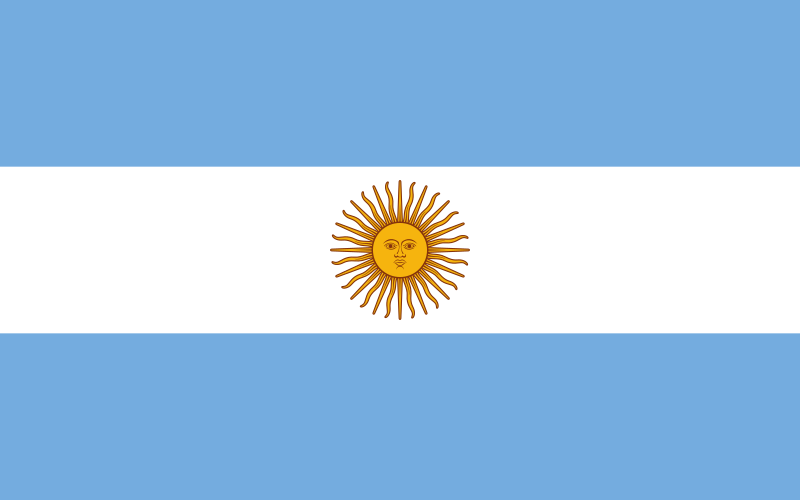 |
Three horizontal bands of light blue and white, with a yellow sun in the center. The blue and white represent the sky and clouds over Buenos Aires, while the sun symbolizes the Inca god Inti. |
| Brazil | 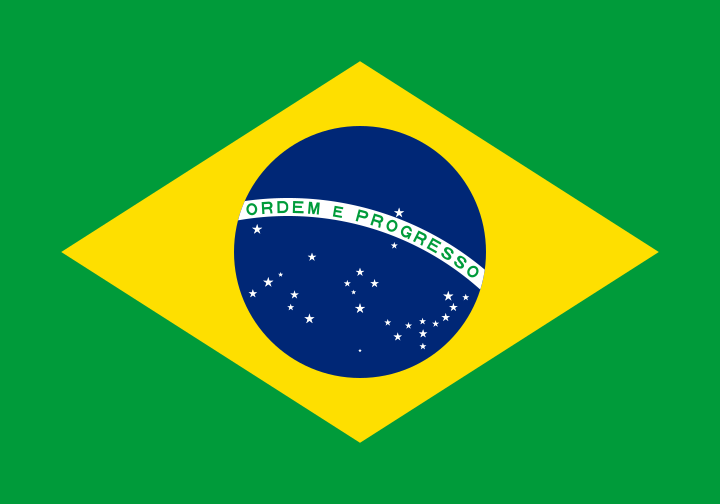 |
A green field with a yellow diamond in the center, containing a blue celestial globe with 27 white stars. The green and yellow represent the country's lush forests and mineral wealth, while the stars symbolize the federal units of Brazil. |
| Colombia |  |
Three horizontal bands of yellow, blue, and red. The yellow represents the wealth of the land, the blue stands for the seas on Colombia's shores, and the red symbolizes the blood spilled for independence. |
| Mexico |  |
Three vertical bands of green, white, and red. The green represents hope and independence, the white stands for purity and unity, and the red symbolizes the blood spilled by national heroes. The central emblem is an eagle perched on a cactus devouring a snake. |
| Peru |  |
Three vertical bands of red and white, with a coat of arms in the center. The red and white represent the blood spilled for independence and the purity of the nation's ideals, respectively. The coat of arms includes a vicuña, a cinchona tree, and a cornucopia. |
📌 Note: The table above provides a snapshot of some of the most recognizable flags in Latin America. Each flag has a unique design and symbolic meaning that reflects the history and culture of its respective country.
The Evolution of Latin American Flags
The flags of Latin America have evolved over time, reflecting the changing political and social landscapes of the region. Many flags have undergone modifications to their designs, colors, and symbols to better represent the evolving identities of their nations. For example, the flag of Venezuela has seen several changes since its adoption in 1806. The original design featured eight stars representing the provinces that had joined the independence movement. Over the years, the number of stars has increased to reflect the growing number of states in the country.
Similarly, the flag of Chile has undergone modifications to its design. The original flag, adopted in 1817, featured a blue canton with a white star. In 1854, the design was changed to include two stars, representing the two provinces of the country. Today, the flag features a single white star in the blue canton, symbolizing the unity and independence of Chile.
Flags of Latin America in Modern Times
In modern times, the flags of Latin America continue to be powerful symbols of national identity and pride. They are displayed at national events, sporting competitions, and cultural festivals, serving as reminders of the region’s rich history and diverse heritage. The flags also play a crucial role in fostering a sense of unity and belonging among the people of Latin America, transcending linguistic and cultural differences.
For instance, during the Pan American Games, athletes from various Latin American countries compete under their respective national flags, showcasing the spirit of camaraderie and sportsmanship. Similarly, during international events such as the FIFA World Cup, the flags of Latin American countries are proudly displayed by fans, creating a vibrant and festive atmosphere.
Moreover, the flags of Latin America are often featured in art, literature, and music, serving as inspirations for creative expressions. Artists and writers draw on the symbolic meanings of these flags to explore themes of identity, resistance, and cultural heritage. For example, the flag of Cuba, with its red, white, and blue stripes and a white star in the center, has been a recurring motif in Cuban art and literature, symbolizing the country's struggle for independence and its revolutionary spirit.
In conclusion, the Flags of Latin America are more than just symbols of sovereignty; they are living testaments to the region’s rich history, diverse cultures, and enduring spirit. Each flag tells a unique story of independence, struggle, and national pride, reflecting the values and aspirations of its people. From the vibrant colors and intricate designs to the powerful symbols and historical contexts, the flags of Latin America continue to inspire and unite the people of this dynamic and captivating region.
Related Terms:
- central american flags
- hispanic flags
- latin american flags labeled independently
- latin american flags with names
- all the latin american flags
- latin american flags by country